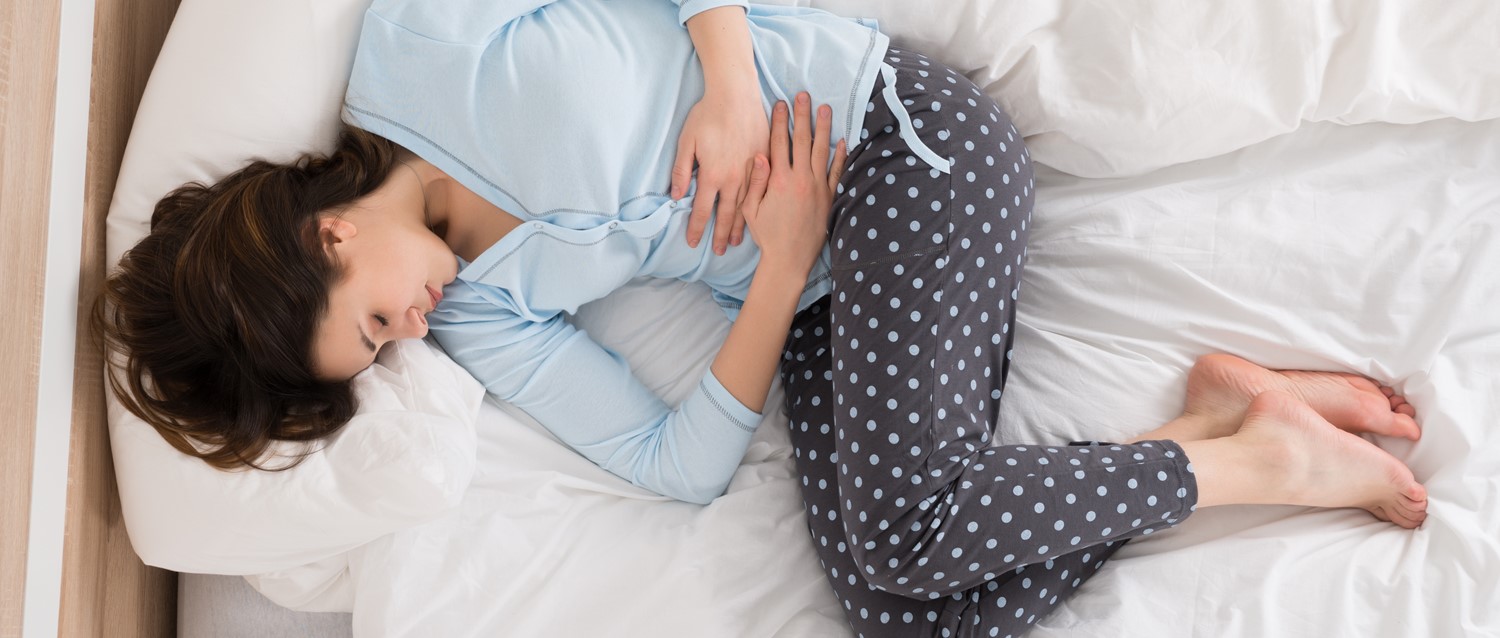
Is bloating normal and what causes it?
Peer reviewed by Dr Sarah JarvisAuthored by Emily Jane BashforthOriginally published 6 Jan 2022
Meets Patient’s editorial guidelines
- DownloadDownload
- Share
- Language
- Discussion
- Audio Version
- Add to preferred sources on Google
Bloating can feel uncomfortable which may lead you to question whether it is normal or not. In fact, there are a number of reasons why your stomach might bloat: some of these are natural and can be remedied with lifestyle changes, but some could be a cause for concern. Let's explore why bloating happens and when you should consult your doctor about it.
What is bloating and why does it happen?
Bloating occurs in your abdomen and can cause you to feel extremely full, as if there's no more room in your stomach. Your tummy might look slightly bigger or, in some cases, balloon significantly. This can be uncomfortable and even painful, especially if you are wearing tight clothing.
Most of the time, bloating is no cause for concern. Normal bloating occurs when the gastrointestinal tract becomes filled with air or gas, which often happens after you eat food. Some foods produce more gas than others, hence why you might bloat more after certain meals.
There are also other simple explanations for your bloating. As well as the types of food you eat, bloating can be caused by overeating. Constipation, weight gain, reflux and swallowing air (when you chew gum, smoke or eat too quickly) can all also lead to bloating. In some, but not all, bloating can be a side effect of menstruation or hormonal changes in the premenstrual period too.
Some of the main triggers for normal bloating include:
Eating foods high in salt.
Eating lots of carbohydrates.
Drinking carbonated drinks.
Eating too much dairy.
Excessive alcohol intake.
Fluid retention.
Constipation.
Excess wind.
Are there more serious reasons for bloating?
In the majority of cases, bloating can be attributed to diet, lifestyle factors, an intolerance, or even stress, especially if you suffer with irritable bowel syndrome (IBS). However, there are certain key symptoms which should never be ignored, as they could suggest your bloating is down to a more serious cause.
An underlying medical condition is more likely if your bloating is persistent or you have other symptoms. If this is the case, you should always make a GP appointment so your doctor can assess the problem and identify the root cause of it. While investigations will usually rule out an urgent medical problem, your doctor will need to assess whether you need investigation to exclude cancer of the digestive tract or ovary, coeliac disease or inflammatory bowel disease (Crohn's disease and ulcerative colitis).
Signs of a more serious health condition alongside bloating can include:
Persistent bloating
Most non-sinister causes of bloating lead to intermittent symptoms - bloating which gets worse after meals or towards the end of the day. However, a key symptom of ovarian cancer in women is bloating that doesn't come and go, and which may result in your tummy being persistently larger.
Other symptoms include difficulty eating; feeling full quickly; persistent lower tummy or pelvic pain or pressure; and sometimes changes to your bladder or bowel habit, unexplained weight loss, and being off your food. If you have any of these symptoms, speak to your doctor.
Severe liver problems can lead to ascites - the accumulation of fluid inside your abdominal cavity - which can also result in persistent bloating. However, this is highly unlikely to be at the root of your bloating if you do not have other symptoms such as jaundice.
Weight loss
If you experience unexpected weight loss that is not the result of a diet or lifestyle change, you should never ignore it. If you find yourself losing more than a few pounds unexpectedly - especially if it's 10% or more of your body weight - you should consult your GP, who can find a cause.
Fatigue
Constant tiredness and a bloated stomach could be a sign of something more serious. Of course, there is a wide range of causes for fatigue and bloating, with some obvious explanations like consuming rich or salty meals, eating too much, or short-term stress. However, some longer-term causes can include conditions such as IBS, Small intestinal bacterial overgrowth (SIBO), and gastroparesis.
Inflammatory bowel diseases (Crohn's disease and ulcerative colitis) and coeliac disease can prevent you from absorbing nutrients effectively from your gut. This in turn can lead to persistent tiredness. Flare-ups of inflammatory bowel disease can make you feel generally unwell and feverish as well as tired.
Changes in toilet habits
If you experience changes in your bathroom habits that are not normal for you - including persistent diarrhoea or just needing to go more frequently - this should always be flagged to your GP. Blood in your stools, vaginal bleeding between periods, or postmenopausal vaginal bleeding can also all be caused by conditions that also result in bloating.
Most causes of these symptoms are not serious: it could be haemorrhoids, fibroids, endometrial atrophy, or hormonal changes linked to your menstrual cycle. However, if you experience bleeding in particular, you should consult your doctor to check it is not a sign of cancer or inflammatory bowel disease.
Most of the time, bloating will go down on its own and you can manage it at home. Other causes of bloating include infection and pelvic inflammatory disease (PID), and it can also be a side effect of medication - check with your pharmacist.
How is bloating diagnosed and treated?
As long as you don't have any of the symptoms above, there are some simple diet and lifestyle changes you can make to reduce the bloat and pain it can cause:
Be mindful of your fibre intake - fibre is a carbohydrate that the body cannot digest. While it has important functions, such as helping regulate blood sugar levels, it can lead to excessive amounts of gas. In this case, you should be mindful of how much and what type of fibre you are consuming, and alter your diet.
Insoluble fibre can be a particularly potent cause of wind and bloating - it does not dissolve in water and is left intact as food moves through the gastrointestinal tract. To relieve symptoms, you may find it useful to reduce your insoluble fibre intake and include more soluble fibre, which is important for gut health but doesn't tend to cause the same problems.
Some foods are high in so-called 'FODMAPs', thought to increase wind production. This can be a significant cause of bloating for people with IBS. A low FODMAPs diet has been shown to relieve symptoms, but it can be hard to maintain without the risk of inadequate vitamins or minerals. Ideally, it should be undertaken with expert input from a dietician.
Avoid foods that are high in fat - some fat is a vital part of a balanced diet, but it can take longer to pass through the digestive tract. This can lead to bloating as it may delay the emptying of the stomach.
Eat and drink slowly - eating too quickly can make you swallow more air, which causes a build-up of gas in the gastrointestinal tract. Therefore, eating and drinking slowly and mindfully might ease your bloating. Likewise, talking while eating and frequently chewing gum can cause you to swallow more air, so try to avoid doing these too often.
Get clued up on intolerances - if you're constantly bloated, there's a chance it might be an intolerance causing excess gas production. Possible culprits include lactose, fructose and gluten.
Try gentle exercise - after eating, light exercise can help reduce normal bloating. You shouldn't push yourself too hard, especially after a big meal, but a walk might be enough to relieve bloating and remove gas.
What should you do if you're struggling with bloating?
If your bloating is constant and uncomfortable, you should speak to your GP, especially if you have concerns about another underlying health condition. To find out what's going on, your doctor might ask you for a stool sample or request an X-ray of your small intestine. They may also test you for lactose intolerance or coeliac disease.
Patient picks for Bloating

Signs and symptoms
How to handle smelly farts, loud burps and bad breath
As a doctor, I always hope there's nothing my patients won't say to me. No matter how embarrassing it might be for them, I've seen it all before. But all too often patients leave the issue they're worried about until they're on their way out of the door. And surveys suggest people often don't talk about farting, peeing themselves (incontinence) and a host of other issues for years, when simple lifestyle changes can make a world of difference.
by Victoria Raw

Signs and symptoms
Why does my stomach bloat in hot weather?
If you feel your stomach is bloating in hot weather it can be uncomfortable and inhibiting - and can make you feel extra sluggish. What summer habits may be to blame for your tummy swell, and what can you do about them?
by Lynn Stephen
About the authorView full bio

Emily Jane Bashforth
Feature Writer
NCTJ
Emily is a Feature Writer with Patient, writing articles on a variety of topics relating to health and well-being.
About the reviewerView full bio

Dr Sarah Jarvis
Clinical Consultant
MA (Cantab), BM, BCh (Oxon), DRCOG, FRCGP, MBE
After training in medicine at Cambridge and Oxford, Dr Sarah Jarvis MBE became a GP.
Article history
Article also available in English, German, Spanish, French, Italian, Portuguese, Hindi, Hebrew, Arabic, and Swedish.
6 Jan 2022 | Originally published
Authored by:
Emily Jane BashforthPeer reviewed by
Dr Sarah Jarvis
Join the conversation
Share your thoughts or experiences with others in our patient communities.

Ask, share, connect.
Browse discussions, ask questions, and share experiences across hundreds of health topics.

Feeling unwell?
Assess your symptoms online for free
Sign up to the Patient newsletter
Your weekly dose of clear, trustworthy health advice - written to help you feel informed, confident and in control.
By subscribing you accept our Privacy Policy. You can unsubscribe at any time. We never sell your data.
More in signs and symptoms
- Cancer fatigue: what it is and how to cope
- Common causes of an itchy scalp
- Coughs, colds and sore throats: is honey better than over-the-counter treatments?
- Could new guidance change how we treat chronic pain?
- Does tinnitus lead to hearing loss?
- How to avoid catching a cold on public transport
- How to boost your energy levels and feel less tired in winter
- How to handle smelly farts, loud burps and bad breath
- How to manage chronic pain
- How to relieve itchy eyes in the summer
- Itchy skin at night this summer? Here's why
- Living with tinnitus: symptoms and solutions
- Reasons you feel tired all the time
- What causes extremely smelly farts?
- What causes menopause dizziness, and how can you manage it?
- What could be causing your pins and needles?
- What does living with chronic pain really feel like?
- What is a thunderclap headache and what does it feel like?
- Why do I have extreme tiredness after eating?
- Why you might get a headache when you exercise