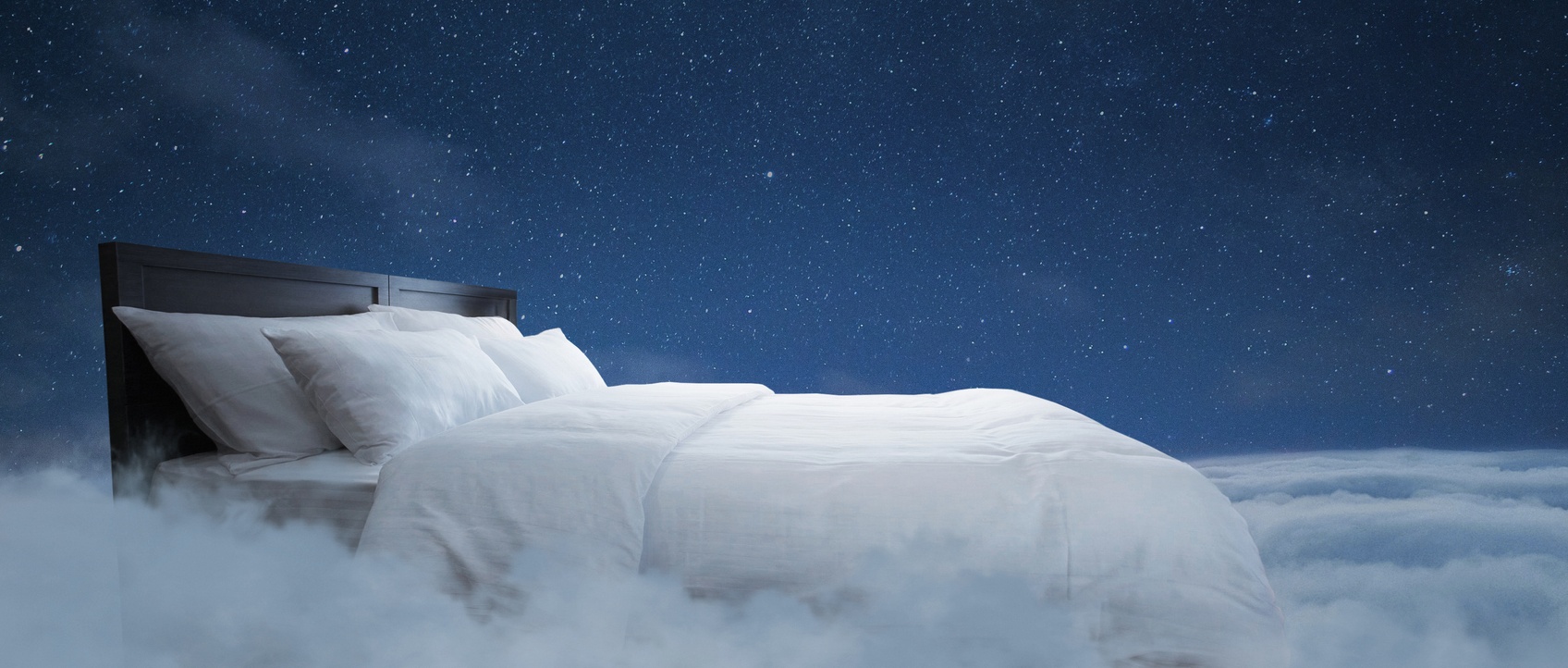
Quando preoccuparsi per la sudorazione notturna
Revisione paritaria di Dr Krishna Vakharia, MRCGPUltimo aggiornamento di Victoria RawUltimo aggiornamento 13 Gen 2025
Rispetta le linee guida editoriali
- ScaricaScarica
- Condividi
- Language
- Discussione
- Ask Patient
- Versione audio
- Aggiungi alle fonti preferite su Google
Se ti sei svegliato nel cuore della notte trovando i vestiti e le lenzuola zuppi di sudore - analizziamo le possibili cause di questa sudorazione notturna e cosa fare se si verifica.
Scelte video per Segni e sintomi generaliVideo library
Cosa sono le sudorazioni notturne?
Getting hot and sweaty in the night because your bedroom is too warm or duvet is too thick is normal. Sudorazioni notturne are when you sweat so much that your night clothes and bedding are soaking wet, even though where you're sleeping is a comfortable temperature.
Night sweats are not related to your sleeping environment and they happen independently of outside temperature. It's important to check whether your night sweats could be a problem, or if you just need to change your sleeping conditions.
What causes night sweats?
Night sweats have many different causes - some of the most common are:
Medicine you may be taking.
Low blood sugar.
Infezioni.
Abuso di alcol o droghe.
Very rarely night sweats can be a sign of a more serious underlying medical condition, including some cancers.
Night sweats and menopause - for women over 40, night sweats are often caused by hormonal changes from the menopause and perimenopausa. Around 85% of women have hot flushes at the beginning and during menopause.
Anxiety and night sweats - anxiety can lead to night sweats when your body reacts to stress - such as when you're scared from a bad dream.
Blood sugar and night sweats - low blood sugar can make the body produce too much adrenaline, which in turn can lead to night sweats. This is a common problem in those with diabete, and can also happen if you've drunk too much alcohol before bed.
Medicine and night sweats - certain medicines can cause night sweats. Some medicines such as SSRIs, those for diabetes, or hormone treatment, list sweating as a potential side effect.
What infections cause night sweats?
Some infections can cause night sweats - including tubercolosi e test HIV. However, sweating is just one symptom of these conditions and on its own does not signify anything specific.
You may get sweats from fever associated with colds and flu. If you are unwell, seek advice from a doctor.
Iperidrosi
Hyperhidrosis is the clinical word for excessive sweating - during the night or day. This can be a condition in its own right, and doesn't have to be a symptom of something else.
You should speak to your doctor if your sweating is affecting you life or health.
When to see a doctor about night sweats
There are several possible causes of night sweats - and no easy way of differentiating one type of sweating from another. However, doctors will want to rule out more serious causes such as cancer first if this is indicated from the consultation, and then move on to less serious conditions.
To see what is causing your night sweats, your doctor will look at your medical history, and may examine you to see if there is an underlying medical condition. Depending on their findings, they may do further tests such as blood tests or X-rays.
See your doctor if you have night sweats and one or more of these symptoms:
A very high temperature (febbre).
Tosse.
Diarrea.
A pain in a specific area - or bone pain.
Any lumps or bumps anywhere.
Perdita di peso.
While occasional night sweats are usually nothing to worry about, you should see your doctor if they do not go away, especially if they are every night.
Night sweats and HIV
If you have been diagnosed with linfoma or HIV, night sweats with unexplained weight loss may be a warning sign that your condition is getting worse.
Menopausa
If your night sweats are due to the menopause, you should speak to your doctor about your terapia ormonale sostitutiva (HRT) - and, if you are not taking HRT, then look into whether this may help you.
If your doctor thinks your medicine could be causing your night sweats then they can look at prescribing something different.
How to prevent night sweats
Most of the time lifestyle changes will help treat your night sweats.
One of the most effective ways of stopping your night sweats is by making sure your sleeping environment is in the best state it can be, to help you get a good night's sleep.
Certain foods and drink may cause you to sweat at night or have an uncomfortable sleep.
Scelte del paziente per Segni e sintomi generali
Segni e sintomi
Cosa potrebbe causare le tue formicolii?
Tutti possono provarli occasionalmente, ma le cause di formicolio e intorpidimento non sono sempre dovute a sdraiarsi in modo scomodo su un braccio o una gamba. Qui analizziamo cosa provoca il formicolio e quando preoccuparsi.
di Lawrence Higgins

Segni e sintomi
Vivere con l'acufene: sintomi e soluzioni
1 adulto su 7 nel Regno Unito è affetto da acufene, una condizione in cui si sentono ronzii, fischi o altri rumori nelle orecchie. Non solo può essere irritante, ma può influenzare molti aspetti della tua vita quotidiana come il sonno, la concentrazione e persino la tua salute mentale.
di Lynn Stephen
Informazioni sull'autoreVisualizza il profilo completo
Aggiornato da

Victoria Raw
Scrittore di articoli
Laurea in Lettere (Hons), Letteratura Inglese
Victoria è una scrittrice di contenuti presso Patient, con interessi speciali che spaziano dal benessere mentale, alle tendenze sociali e all'impatto della tecnologia sulla nostra salute.
Autore

Abi Millar
Freelance Journalist
BA (Hons), MA
Abi è una giornalista freelance con un interesse particolare per la scrittura sulla salute e la medicina.
Informazioni sul recensoreVisualizza il profilo completo

Dr Krishna Vakharia, MRCGP
Direttore Sanitario per la Salute, Optum UK
MBChB, MRCGP(2013), BMedSci (hons), DFSRH, DRCOG, PGDipDerm (Distn)
La Dott.ssa Krishna Vakharia è un medico di base del NHS. È anche un'esaminatrice regolare per il Diploma post-laurea in Dermatologia Pratica presso l'Università di Cardiff, oltre ad essere il Direttore Medico per la salute presso Optum UK.
Storia dell'articolo
Articolo disponibile anche in Inglese, Tedesco, Spagnolo, Francese, Italiano, Portoghese, Hindi, Ebraico, Arabo, and Svedese.
Prossima revisione prevista: 14 Gen 2028
13 Gen 2025 | Ultima versione
15 Apr 2019 | Pubblicato originariamente
Autore:
Abi Millar
Condividi i tuoi pensieri o esperienze con gli altri nel nostro comunità di pazienti.
Iscriviti alla newsletter di Patient
La tua dose settimanale di consigli sulla salute chiari e affidabili - scritti per aiutarti a sentirti informato, sicuro e in controllo.
Abbonandoti accetti i nostri Informativa sulla Privacy. Puoi annullare l'iscrizione in qualsiasi momento. Non vendiamo mai i tuoi dati.