Diaframmi e cappucci
Revisione paritaria di Dott.ssa Jacqueline Payne, FRCGPUltimo aggiornamento di Dr Mary Harding, MRCGPUltimo aggiornamento 28 Nov 2018
Rispetta le linee guida editoriali
- ScaricaScarica
- Condividi
- Language
- Discussione
- Versione audio
- Aggiungi alle fonti preferite su Google
Questa pagina è stata archiviata.
Non è stato rivisto di recente e non è aggiornato. I link esterni e i riferimenti potrebbero non funzionare più.
I diaframmi e le cappucci sono metodi barriera di contraccezione. Sono comodi, ma non sono affidabili come alcuni altri metodi contraccettivi.
A colpo d'occhio
Diaphragms and caps are dome-shaped barrier devices placed in the vagina for contraception.
They form a barrier between sperm and the womb, and should be used with spermicide.
A doctor or nurse will fit the correct size and show you how to use it.
Their effectiveness depends on correct and consistent use.
They must be left in for at least six hours after sex, but not for more than 30-48 hours.
You may need to change size if your weight changes significantly or after childbirth.
What are diaphragms and caps?
Qual è la differenza tra un cappuccio e un diaframma?
Diaphragms are dome-shaped devices. They are usually made from soft rubber or silicone. They are put into the vagina and form a barrier between sperm and the womb. There are various different types and sizes.
Caps are smaller and firmer than diaphragms, covering just the neck of the womb and used less often than diaphragms.
Contraceptive diaphragm
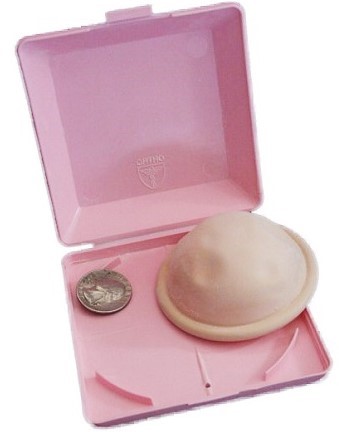
© By Axefan2 (Own work), via Wikimedia Commons
Contraceptive cap
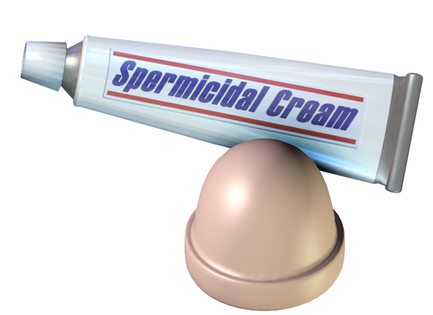
© By BruceBlaus (Own work), via Wikimedia Commons
You should also use a spermicide gel each time you use a diaphragm or cap. Spermicide kills sperm. It makes diaphragms and caps more effective as contraceptives.
How effective are diaphragms and caps?
How effective diaphragms and caps are depends on how well they are used.
Perfect use means using the diaphragm or cap every time you have sex, and using it correctly. However, many women do not use them perfectly.
Effectiveness also depends on the type of device and whether you have had a baby in the past.
The following approximate numbers give an idea of how effective diaphragms and caps are in varying situations.
When no contraception is used, more than 80 out of 100 sexually active women become pregnant within one year.
Diaphragms
If used perfectly, in the first year of using a diaphragm, 6 in 100 sexually active women will become pregnant.
If used less perfectly, in the first year of using a diaphragm, 16 in 100 sexually active women will become pregnant.
Caps
If used perfectly, in the first year of using a cap, 9 in 100 sexually active women who have never had a baby will become pregnant.
If used less perfectly, in the first year of using a cap, 16 in 100 sexually active women who have never had a baby will become pregnant.
If used perfectly, in the first year of using a cap, 20 in 100 sexually active women who have already had a baby will become pregnant.
If used less perfectly, in the first year of using a cap, 32 in 100 sexually active women who have already had a baby will become pregnant.
Other methods of contraception are more reliable than this. Several other methods of contraception are more than 99% effective. In other words less than 1 sexually active woman in 100 will become pregnant whilst using them. However, some women prefer to use a diaphragm or cap.
See the separate leaflet called Contraception Methods (Birth Control) for all the possible options.
What makes a cap or a diaphragm less effective?
Using a damaged device.
Using one that doesn't cover the neck of your womb (cervix) completely.
Using one that isn't the right size.
Using one without spermicide.
Having sex three hours or more after you put it in, without using extra spermicide.
Not using extra spermicide with your diaphragm or cap every time you have sex.
Removing it too soon (less than six hours after the last time you had sex).
How do you use diaphragms and caps?
Come si usa un diaframma?
A doctor or nurse will examine you internally and advise on the correct size and shape that would suit you. They will show you how to put in and take out the diaphragm or cap. They will also show you how to use the spermicide. This must be used every time you use the diaphragm or cap. You need to be confident that you can put it in correctly over the neck of your womb (cervix), and know how much spermicide to use and how to use it.
You may be given a 'practice' diaphragm or cap by the doctor or nurse. This is for you to practise at home putting it in and out. This is fare affidamento to be used for contraception. At a follow-up appointment the doctor or nurse will check that everything is fine, and then give you a real one for contraceptive use.
Some useful points about diaphragms and caps:
You can insert a diaphragm or cap at any time before sex. However, you need to add another dose of spermicide if you have sex more than three hours after you put it in.
It must be left in place for at least six hours after last having sex.
Do not leave a diaphragm in for more than 30 hours in total. A cap can be left in for up to 48 hours. This is to prevent the possibility of toxic shock syndrome. This is a very rare but serious type of blood poisoning.
Do not use them during your period.
Don't have a bath with the diaphragm or cap in place. The water may wash away the spermicide or move the cap out of position. Showers are fine.
Looking after a diaphragm or cap
Wash it with warm water and mild soap after use. Rinse with lots of water.
Dry gently and keep it in the box provided.
Never use detergents, boiling water or disinfectants to clean your diaphragm or cap. These can damage the material they are made from. Do not use talcum powder with them.
Check it for damage, tears, etc, before using. Hold it up to the light to check there are no holes.
Depending on how often it is used, it may need replacing every year or so.
Where can I get a diaphragm or cap?
You can get a diaphragm or cap, and advice on how to use it, from a family planning clinic or from your GP surgery. You will have an internal examination to find the right size for you.
There is a newer type of diaphragm called Caya® which you can get online or over the counter in some countries. This is a one-size only diaphragm, so it does not need to be fitted by a professional. However, you would have to pay for it, whereas the fitted ones are free on the NHS. The Faculty of Sexual and Reproductive Healthcare (FSRH) in the UK advises that it is best for women to attend a family planning service to have diaphragms fitted. This allows the best one to be chosen for each individual woman and also allows each woman to be shown personally how to use the diaphragm.
What are the advantages of diaphragms and caps?
They are safe for most women to use and do not have any serious medical risks.
You only have to use them when you have sex.
The advantage over a male condom is that you can put it into the vagina at any time before sex. (However, you may have to put in another dose of spermicide if you put it in more than three hours before sex. This is because spermicide is not effective for very long.)
What are the disadvantages of diaphragms and caps?
You have to learn how to use them properly.
Some women get bladder infections after using a diaphragm.
The spermicide and rubber may be messy and may cause some irritation of your vagina. Some women find them fiddly or unpleasant to use.
They are not as effective as many other types of contraception.
There is little evidence that they can protect against sexually transmitted infections or HIV infection.
Who should not use diaphragms or caps?
They should not be used:
If the muscles in your vagina are not firm enough to hold the diaphragm or cap in place.
If you have an unusual shape or position of the neck of your womb (cervix). The doctor or nurse will advise about this when they examine you for correct fitting.
If you are very overweight. Fitting may be difficult in this case.
If you have had a baby within the previous six weeks. This is because your insides have not had a chance to get back to normal. This means the fit will change once you are back to normal.
If you are allergic or sensitive to rubber (latex) or spermicide.
If you have ever had toxic shock syndrome.
Se hai HIV or AIDS (or are at high risk of HIV infection). This is because diaphragms and caps should be used with spermicide and this should not be used in people with HIV or AIDS.
Se hai cancro del collo dell'utero, or are being treated for abnormal smears. This applies to caps only.
Some other points about diaphragms and caps
Dimensione - you may need a different size if you gain or lose more than 3 kg in weight, or have a baby. A doctor or nurse will need to examine you to re-assess your size.
Lubrificanti - don't use oil-based products such as Vaseline®, body oils, lotions, etc, during sex. They can damage rubber. If you want to use a lubricant then use K-Y Jelly® or extra spermicide.
Infezione - don't use it if you have a vaginal infection such as mughetto. Wait until the infection clears.
If you think there is a reason your diaphragm or cap may not have worked, see your doctor or nurse about emergency contraception. For example if:
You forgot to use it.
You took the diaphragm or cap out earlier than six hours after having sex.
You found a hole in it after using it.
You did not use spermicide.
See the separate leaflet called Emergency Contraception for more details.
Scelte del paziente per Contraccezione

Salute sessuale
Segni che stai usando la pillola anticoncezionale sbagliata
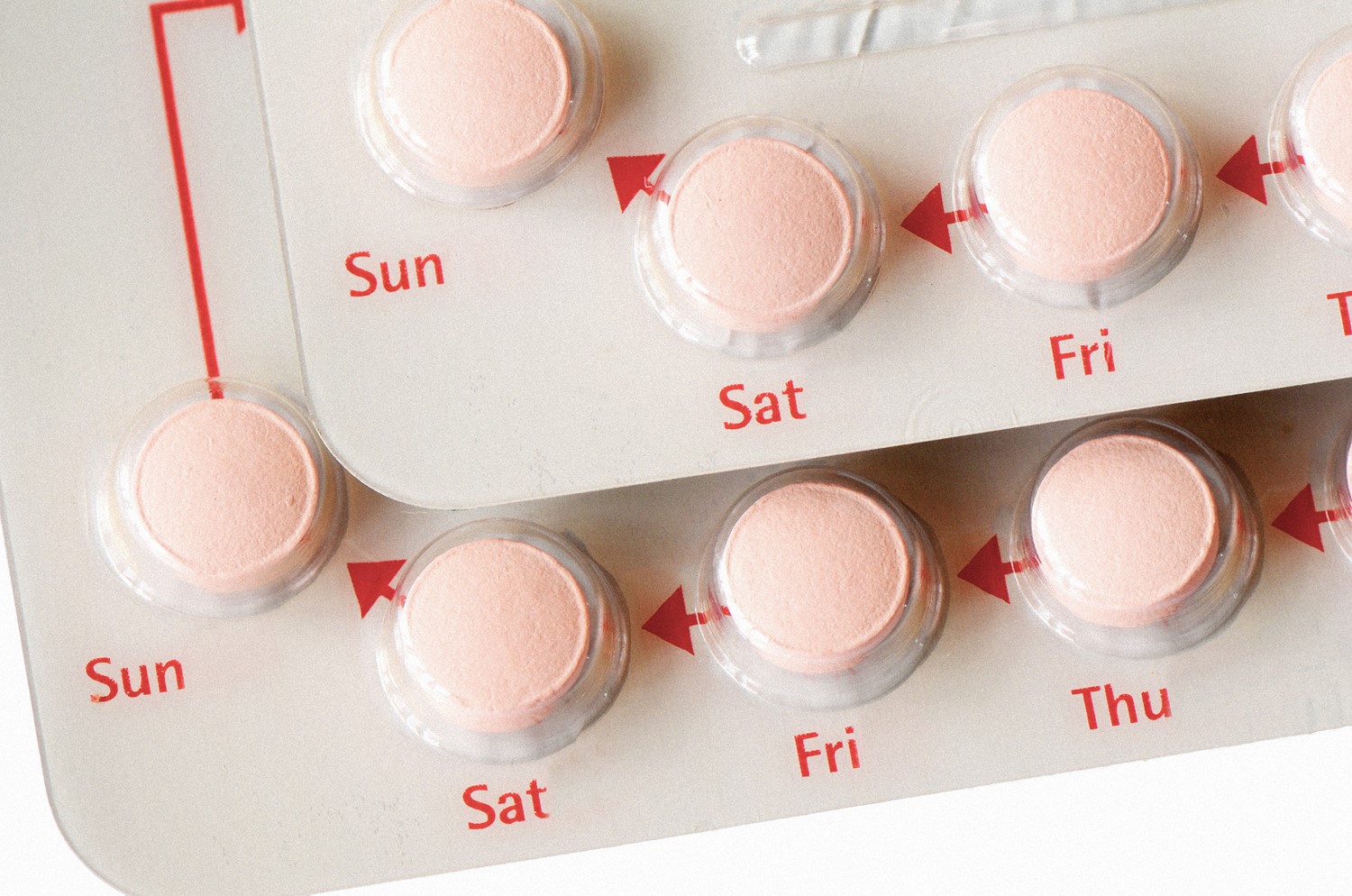
La pillola contraccettiva spesso ha una cattiva reputazione a causa della sua serie di potenziali effetti collaterali, che possono variare da lievemente fastidiosi a decisamente debilitanti. Tuttavia, vale la pena notare che ci sono circa 30 diversi tipi di pillola contraccettiva attualmente disponibili nel Regno Unito, e non tutte le pillole sono create uguali.
di Sarah Graham
Salute sessuale
Pillole, cerotti e anelli ormonali contraccettivi
Ci sono molte opzioni diverse per la contraccezione (controllo delle nascite) se non desideri rimanere incinta. Un gruppo di contraccettivi comprende pillole, cerotti e anelli che contengono ormoni.
di Dr Toni Hazell, FRCGP
Domande frequenti
Can I use a diaphragm or cap if I am concerned about sexually transmitted infections (STIs)?
Diaphragms and caps offer little evidence of protection against sexually transmitted infections or HIV.
What should I do if I think my diaphragm or cap might not have worked to prevent pregnancy?
If you suspect your diaphragm or cap failed, for example, if you forgot to use it, removed it too early, found a hole, or didn't use spermicide, you should see your doctor or nurse to discuss emergency contraception.
Are there any specific lubricants I should avoid with diaphragms and caps?
You should not use oil-based products like Vaseline®, body oils, or lotions with your diaphragm or cap during sex, as they can damage rubber. Instead, use a water-based lubricant such as K-Y Jelly® or extra spermicide.
How do I know if I need a new size for my diaphragm or cap?
You might need a different size for your diaphragm or cap if you gain or lose more than 3 kg in weight, or if you have a baby. A doctor or nurse would need to examine you to determine the correct new size.
Is it okay to use a diaphragm or cap if I currently have a vaginal infection?
No, you should not use a diaphragm or cap if you have a vaginal infection, such as thrush. It's best to wait until the infection has cleared up completely.
Ulteriori letture e riferimenti
- Gallo MF, Grimes DA, Schulz KF; Cervical cap versus diaphragm for contraception. Cochrane Database Syst Rev. 2002;(4):CD003551.
- Trussell J; Fallimento contraccettivo negli Stati Uniti, Contraccezione, 2011
- Metodi di barriera per la contraccezione e la prevenzione delle IST; Facoltà di Salute Sessuale e Riproduttiva (Agosto 2012 - aggiornato Ottobre 2015)
- Contraception - barrier methods and spermicides; NICE CKS, April 2016 (UK access only)
Informazioni sull'autoreVisualizza il profilo completo

Dr Mary Harding, MRCGP
Medico di base, Autore medico
BA, MA, MB, BChir, MRCGP, DFFP
La Dott.ssa Mary Harding si è laureata alla facoltà di medicina dell'Università di Cambridge nel 1989.
Informazioni sul recensoreVisualizza il profilo completo

Dr Jacqueline Payne, FRCGP
Medico di base, Autore medico
MB, BS, DFFP, DRCOG, FRCGP
Jacqueline è stata un medico di base a Kendal, Cumbria per 25 anni, dove ha formato giovani medici di base per il RCGP ed è stata un medico istruttore per il FSRH.
Storia dell'articolo
Le informazioni su questa pagina sono scritte e revisionate da clinici qualificati.
Articolo disponibile anche in Inglese, Tedesco, Spagnolo, Francese, Italiano, Portoghese, Hindi, Ebraico, Arabo, and Svedese.
28 Nov 2018 | Ultima versione

Chiedi, condividi, connettiti.
Esplora le discussioni, fai domande e condividi esperienze su centinaia di argomenti di salute.

Non ti senti bene?
Valuta i tuoi sintomi online gratuitamente
Iscriviti alla newsletter di Patient
La tua dose settimanale di consigli sulla salute chiari e affidabili - scritti per aiutarti a sentirti informato, sicuro e in controllo.
Abbonandoti accetti i nostri Informativa sulla Privacy. Puoi annullare l'iscrizione in qualsiasi momento. Non vendiamo mai i tuoi dati.
Più sulla salute sessuale
- Balanite
- Contraccezione per donne sopra i 40 anni
- Pillole, cerotti e anelli ormonali contraccettivi
- Impianto contraccettivo
- Iniezione contraccettiva
- Anello vaginale contraccettivo
- Epilessia e contraccezione
- Disfunzione sessuale femminile
- Herpes genitale
- HIV e AIDS
- Ipersessualità
- Contraccettivi reversibili a lunga durata
- Basso testosterone
- Mycoplasma genitalium
- Metodi naturali di pianificazione familiare
- Uretrite non gonococcica
- Pidocchi del pube e pidocchi del corpo
- Segni che stai usando la pillola anticoncezionale sbagliata
- Test del seme
- Candidosi negli uomini