HIV in women: what you should know
Peer reviewed by Dr Krishna Vakharia, MRCGPLast updated by Amberley DavisLast updated 30 Nov 2023
Meets Patient’s editorial guidelines
- DownloadDownload
- Share
- Language
- Discussion
- Audio Version
- Add to preferred sources on Google
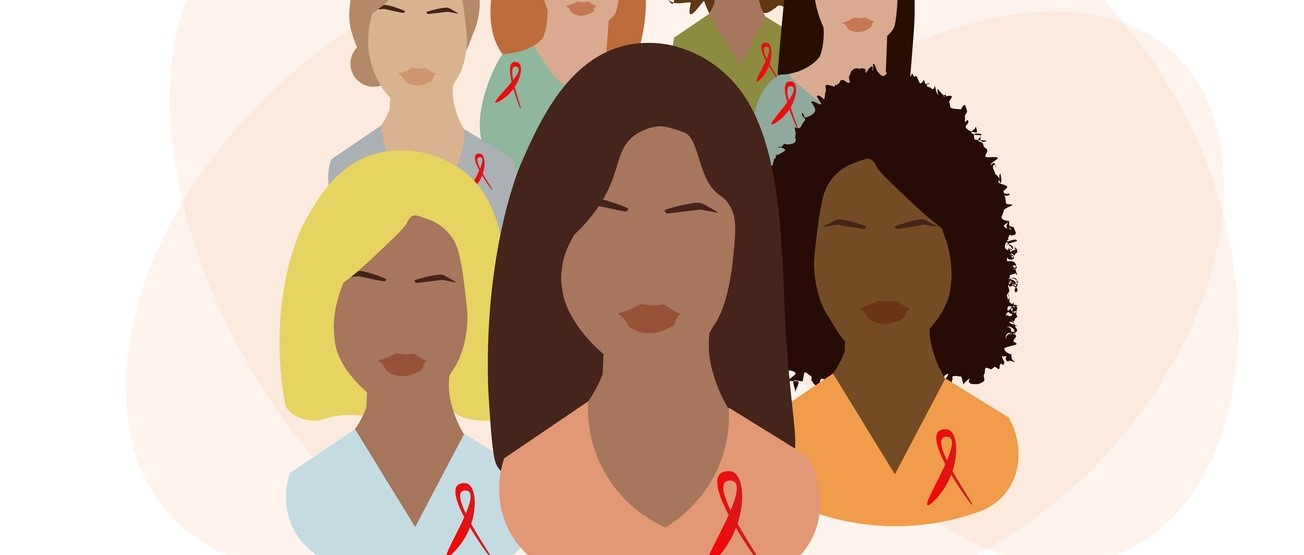
Since the first HIV/AIDS ad campaigns in the 1980s, the narrative of HIV has often left women out of the story. Yet worldwide, around 4,900 young women aged 15-24 years become infected with HIV every week. What practises are spreading HIV in women? And what can be done to tackle this epidemic?
How common is HIV in women?
Out of the 39 million people living with HIV (human immunodeficiency virus) worldwide in 2022, 53% were women and girls1. Yet, the HIV epidemic among women is often overlooked - the focus tending to fix on these high-risk groups:
Men who have sex with men.
Sex workers and their clients.
People who inject drugs.
Transgender people and their sexual partners.
These groups have a significantly higher chance of catching HIV because of the sexual activities they engage in. The risk of HIV in women cannot be defined by a particular high-risk activity, but there are certain risk factors that make many girls and women around the world more vulnerable to this sexually transmitted infection (STI).
How does location affect HIV in women?
The majority of people living with HIV are in low-to-middle income countries. This is true for both men and women, but for women, living in these regions is associated with a much higher risk of HIV compared to men.
In 2022, more than half of people living with HIV - 25.6 million - were in sub-Saharan Africa2. Here, females made up 77% of all new HIV infections, and 6 in 7 of newly infected adolescents were girls1.
In high income countries such as the UK and USA, women appear to have a lower risk than men.
For example:
In the UK, women make up around 30% of people living with HIV3.
In the USA, women make up around 25% of people living with HIV4.
However, in the UK the decline in new HIV infections in women hasn't been as steep as that in bisexual and gay men. Some experts attribute this to women being less likely to take an HIV test and more likely to receive a late diagnosis - a trend observed across Europe5.
What are the risk factors for HIV in women?
Vaginal sex
Women who have vaginal sex with men are more vulnerable to STIs. This is because the vagina has a larger surface area - compared with the penis - that can be exposed to HIV-infected semen. What's more, semen can stay in the vagina for several days, meaning a longer period of exposure to the virus. Vaginal yeast infections and bacterial vaginosis can also leave women more vulnerable to HIV transmission.
The risk is even higher in older women who experience vaginal dryness or thinning, as this increases the risk of small cuts during sex, through which the HIV virus can spread into the body.
Gender inequality and abuse
In many countries, sociocultural factors impede women from being able to protect themselves from HIV. This gender inequality is most apparent in low-income, HIV high-risk parts of the world.
For example, according to a UNAIDS report6:
Women who experience violence are 50% more likely to catch HIV.
Adolescent girls are key victims of gender-based violence - including sexual abuse, early and forced marriage, marital rape, sexual exploitation and trafficking.
Marriages between girls and older men further contribute to the spread of HIV in women as older partners have a greater risk of being HIV-positive.
Financial inequality
In low-income regions, many girls and women are financially dependent on men. This is often a barrier to negotiating condom use, buying HIV prevention methods, accessing health care, or being able to refuse sex if they suspect their partner has HIV.
While many more women enjoy financial independence in high-income regions, women experiencing poverty remain vulnerable to HIV transmission.
For example:
In the UK, 45% of women living with HIV live below the poverty line3.
In the USA, African-American women make up around 60% of new HIV infections yet are only 14% of the national female population4. This higher risk is linked to racial disparities that include higher rates of poverty, among other factors such as lack of health care access and stigma.
According to experts, poverty increases the risk of HIV in women because people in poverty tend to have limited access to health services and education, and experience more gender-based violence. In turn, this also leads to more participation in HIV high-risk behaviours - including starting to have sex younger, not using condoms, and sex work.
HIV complications in women
Women and men experience the same standard HIV symptoms, which includes flu-like symptoms such as feeling sick and night sweats, and swollen lymph nodes or skin rashes.
However, there are some additional complications of HIV for women to look out for:
Severe adverse reactions to antiretroviral therapy - HIV/AIDS medicines.
The risk of passing on HIV to their baby during pregnancy or childbirth.
What can be done to prevent the spread of HIV in women?
In the UK, sexual health charity Terrence Higgins Trust believe that helping women to become less invisible in HIV prevention and care will help reduce the rates of HIV in women. They identify five areas of focus3:
Equal investment and priority to be given to all genders in HIV prevention, research, data and services.
HIV research to address specific knowledge gaps around HIV in women with participation and involvement of women.
Reduction in late diagnoses of HIV in women through improved HIV testing approaches and uptake in different settings.
Better data collection on HIV in women.
Investment in HIV support services that meet women's needs, including peer support, mental health support, and gender-based violence services.
HIV testing in the UK is much easier, more convenient, and discreet than it used to be. Awareness of these HIV testing options is important in the fight against HIV and AIDS.
In high-risk regions like sub-Saharan Africa, new long-acting HIV prevention methods such as the Dapivirine vaginal ring can help give women more control over their sexual health, especially those unable to take a daily tablet.
HIV in women - key facts
Contraception - male and female condoms are the only contraceptive methods that also protect against STIs like HIV.
Prevention - in many high-income countries like the UK, PrEP is the most widely available preventative medicine. In many low-income counties, the Dapivirine vaginal ring is another option.
Testing - in the UK, many women aren't testing for HIV early enough, but HIV tests are easy and convenient and many are free.
Treatment - HIV is now a treatable condition, and medication can be taken in tablet form, and since 2021 a long-acting injection can be used in countries like England, Wales, and the US.
Discrimination - many women with HIV face gender-based violence. More investment is needed in HIV support services that meet women's needs.
Further reading
Patient picks for HIV and AIDS

Sexual health
Why is PrEP still not available on the NHS in England?
Effective treatment combined with effective prevention techniques have reduced the number of new HIV diagnoses. So why isn't the NHS making medication which can prevent HIV (PrEP) available to everyone at risk?
by Milly Evans
Sexual health
Who should take the HIV prevention drug PrEP?
Pre-exposure prophylaxis (PrEP) is a medication to prevent the development of HIV. It's meant for people who don't have HIV, but have a high chance of developing the condition. But what is it, how does it work and who should have access to it?
by Lydia Smith
About the authorView full bio
Updated by

Amberley Davis
Senior writer
BA (Hons), CPD
Amberley is a senior writer with Patient and has written extensively on a range of health and wellbeing topics.
Authored by
Amberley Davis
Senior writer
BA (Hons), CPD
Amberley is a senior writer with Patient and has written extensively on a range of health and wellbeing topics.
About the reviewerView full bio

Dr Krishna Vakharia, MRCGP
Chief Medical Officer for Health, Optum UK
MBChB, MRCGP(2013), BMedSci (hons), DFSRH, DRCOG, PGDipDerm (Distn)
Dr Krishna Vakharia is an NHS GP. She is also a regular examiner for the postgraduate Diploma in Practical Dermatology at Cardiff University as well as being the Chief Medical Officer for health at Optum UK.
Join the conversation
Share your thoughts or experiences with others in our patient communities.

Ask, share, connect.
Browse discussions, ask questions, and share experiences across hundreds of health topics.

Feeling unwell?
Assess your symptoms online for free
Sign up to the Patient newsletter
Your weekly dose of clear, trustworthy health advice - written to help you feel informed, confident and in control.
By subscribing you accept our Privacy Policy. You can unsubscribe at any time. We never sell your data.