
Com'è vivere con l'HIV oggi
Revisione paritaria di Dr Sarah JarvisUltimo aggiornamento di Léa SurugueUltimo aggiornamento 30 Nov 2018
Rispetta le linee guida editoriali
- ScaricaScarica
- Condividi
- Language
- Discussione
- Versione audio
- Aggiungi alle fonti preferite su Google
Una volta l'HIV era considerato una malattia terminale, ma importanti miglioramenti medici degli ultimi decenni hanno cambiato questa percezione. Ora è possibile per le persone positive all'HIV vivere una vita normale e sana con il trattamento adeguato.
It's been 40 years since Matt Gregory, 49, from Derby, was infected with test HIV, but he still remembers vividly the months of confusion that he and his family went through when they heard the news.
Born with haemophilia, a genetic blood disorder, he was infected as an adolescent while receiving contaminated concentrated factor VIII (a haemophilia treatment made up with plasma from different blood donors).
At the time, being told you were HIV-positive was seen as a death sentence. For years, no effective HIV treatment was available.
"At first, my doctors didn't want to tell us. When they did, I decided not to worry, as there wasn't much I could do. But the diagnosis weighted me, and on my family. Although, I didn't personally have really bad experiences, back in the 80s and 90s, patients had to face levels of stigma that are hard to imagine today. HIV overtook cancer as the most frightening disease in the world," Gregory recalls.
Medical advances in the last decades and campaigning led by a diverse community of activists have improved the situation, but important challenges remain.
Medical advances
The first turning point in the fight against HIV occurred in 1987, when AZT, the first antiretroviral drug, was used to combat the virus. But AZT had serious side-effects, created many health problems for the patients who were taking it, and did not work on its own.
"There weren't really effective treatments until the late 90s when we started to use three drugs together. But things have moved fast since then, and we now have an array of effective drugs that are much less toxic and easier to take. We are at a point where people can now live a healthy life, free of complications, just by taking one tablet a day," says Dr Rageshri Dhairyawan, consultant in Sexual Health and HIV and vice-chair of the External Relations Committee for the British HIV Association.
Patients who take the drugs now have similar life expectancies to other people. Although the long-term effects of these treatments remain unclear, these patients can expect to live normally, for many years.
These positive advances have made a difference in the daily life of Alex Sparrowhawk, 33, from Manchester. Diagnosed in 2009, he now works for HIV charity Terrence Higgins Trust.
"In the first few years, I had to take four pills every day. A decade on, I'm now on one pill every 24 hours," he explains.
Undetectable = untransmittable (U=U)
Taking the drugs every day as prescribed is crucial. It prevents the virus from making copies of itself. When this happens, the amount of HIV in a person's bloodstream goes down to a level so low that it cannot be detected. People are then said to have an 'undetectable viral load'.
For all HIV patients, reaching this stage is the main objective of treatment. In recent years, large studies have shown that having an undetectable viral load means there is zero chance of people transmitting the virus, even via unprotected sexual contact.
"Explaining that U=U, in other words, that undetectable means untransmittable, is a great experience. I had a female patient recently tell me she felt like she got her life back. Unfortunately, this fact still is not well known in the general public, and even in the medical community," Dhairyawan explains.
Another important advance has been in the field of HIV prevention. With the emergence of pre-exposure prophylaxis (or PrEP), people who are at high risk of getting infected can take HIV medicines daily in prevention, significantly reducing their chances of getting the virus. But it is not yet available on the NHS in England, only in Scotland and in Wales.
The problem with stigma
Beyond the medical gains, these advances have also helped reduce the stigma experienced by HIV-positive individuals.
"Things are a lot better now when it comes to stigma. People used to see HIV as the leprosy of the modern world, but now many people have learnt about recent improvements in the field. Nobody will write 'AIDS scum' on your house anymore, and doctors will not attend to you with masks and three pairs of gloves like they used to in the early days of the epidemic. But there is still a lot of work to do," Gregory says.
Despite the available data, some people still refuse to believe the available facts about HIV drugs and undetectable viral load, which makes it impossible to eradicate stigma completely.
Stigma is a huge barrier to getting tested - perhaps the most important action to eradicate HIV once and for all.
"Stigma kills; it prevents people from going to get tested because they fear the results. It means that some people are diagnosed late. Some also don't want to engage with the health system for fear of being stigmatised," Dhairyawan says.
Ottenere supporto
If you are concerned about a potential HIV exposure, the most important thing to do is to go to your nearest sexual health clinic, to get advice and to get tested. In some areas of the country, you can even access a free HIV test kit to use at home and send off for testing and follow-up on the NHS. The sooner you know your status, the sooner you'll be able to start treatment and avoid complications.
"With medications, your health will improve, and you will not pass HIV on to your sexual partners," says Sparrowhawk.
For people who have been infected, many charities and support groups exist to inform them, offer them peer support, and help them navigate the reality of living with the virus. They also organise a number of events and conferences to raise awareness. The best established, which you can turn to for support, include Terrence Higgins Trust, the British HIV Association, o the Children's HIV Association for young people growing up with HIV.
Scelte del paziente per HIV e AIDS
Salute sessuale
Chi dovrebbe assumere il farmaco preventivo dell'HIV, PrEP?
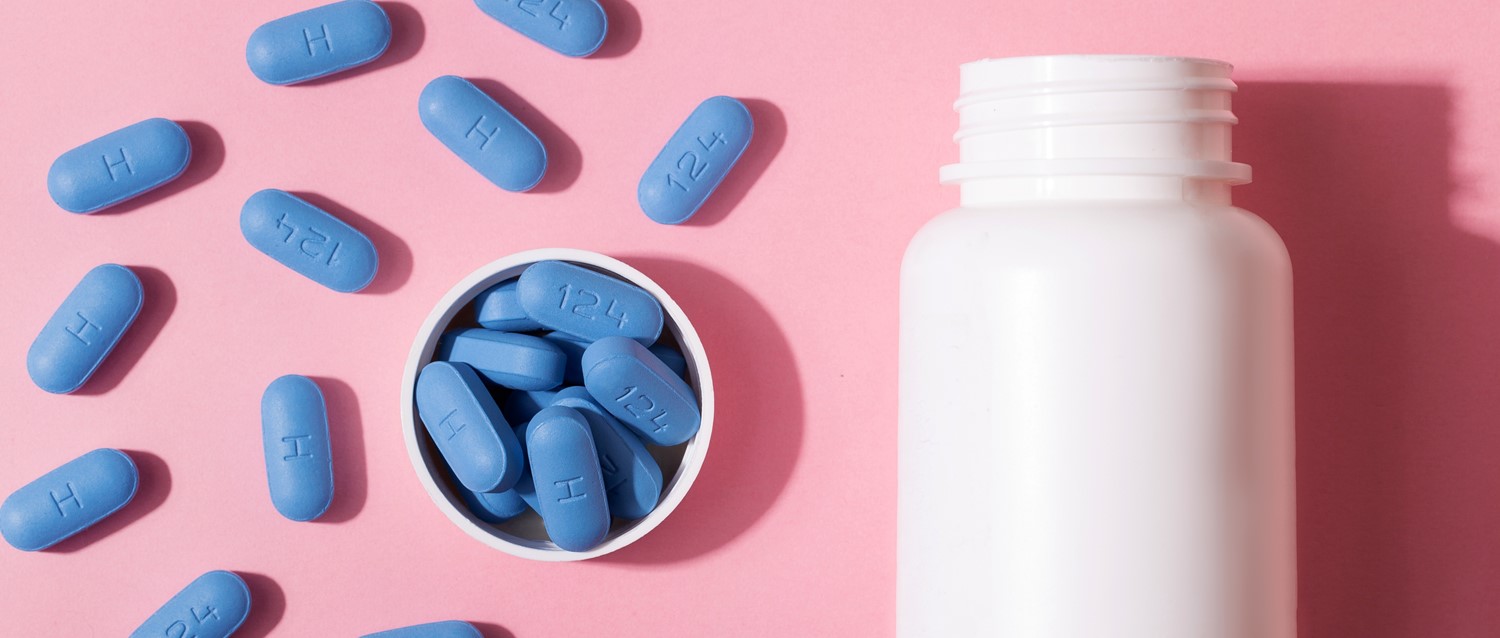
La profilassi pre-esposizione (PrEP) è un farmaco per prevenire lo sviluppo dell'HIV. È destinata alle persone che non sono affette da HIV, ma che hanno un'alta probabilità di sviluppare la condizione. Ma cos'è, come funziona e chi dovrebbe averne accesso?
di Lydia Smith

Salute sessuale
Qual è la differenza tra HIV e AIDS?
L'HIV e l'AIDS sono spesso confusi, ed è facile farlo, ma sono due diagnosi diverse. Tuttavia, sono strettamente collegati. Grazie ai progressi della medicina, l'HIV e l'AIDS non sono più considerati condanne a morte, ma c'è ancora grande stigma e disinformazione che li circondano. In occasione della Giornata Mondiale contro l'AIDS 2022, e ogni giorno, è importante essere informati sulla realtà di HIV e AIDS, così da poter supportare gli altri e sconfiggere i miti.
di Lawrence Higgins
Informazioni sull'autoreVisualizza il profilo completo

Léa Surugue
Science Journalist
MA International Journalism
Informazioni sul recensoreVisualizza il profilo completo

Dr Sarah Jarvis
Consulente Clinico
MA (Cantab), BM, BCh (Oxon), DRCOG, FRCGP, MBE
Dopo aver completato la formazione in medicina a Cambridge e Oxford, la Dott.ssa Sarah Jarvis MBE è diventata un medico di base.
Storia dell'articolo
Le informazioni su questa pagina sono revisionate da clinici qualificati.
Articolo disponibile anche in Inglese, Tedesco, Spagnolo, Francese, Italiano, Portoghese, Hindi, Ebraico, Arabo, and Svedese.
30 Nov 2018 | Ultima versione

Chiedi, condividi, connettiti.
Esplora le discussioni, fai domande e condividi esperienze su centinaia di argomenti di salute.

Non ti senti bene?
Valuta i tuoi sintomi online gratuitamente
Iscriviti alla newsletter di Patient
La tua dose settimanale di consigli sulla salute chiari e affidabili - scritti per aiutarti a sentirti informato, sicuro e in controllo.
Abbonandoti accetti i nostri Informativa sulla Privacy. Puoi annullare l'iscrizione in qualsiasi momento. Non vendiamo mai i tuoi dati.
Più sulla salute sessuale
- I problemi di erezione stanno diventando più comuni nei giovani uomini?
- Le pillole contraccettive cambiano il tuo comportamento?
- La contraccezione ormonale influisce sulla fertilità dopo aver smesso di assumerla?
- Quanto è comune l'infertilità maschile e quali sono le cause?
- Come puoi sapere se hai l'HIV?
- Come i problemi di erezione possono influenzare la tua relazione
- Come prevenire l'eiaculazione precoce
- Miti sulla pillola del giorno dopo sfatati
- sesso orale: cosa devi sapere per rimanere in salute
- Prepararsi per il pap test come sopravvissuto alla violenza sessuale
- Dovresti evitare la pillola se soffri di emicrania?
- Dovresti considerare la spirale di rame per la contraccezione d'emergenza?
- Educazione sessuale per adolescenti: le migliori risorse digitali per tuo figlio
- Il sistema riproduttivo femminile
- I benefici per la salute dei sex toys
- Le IST di cui non hai mai sentito parlare
- Cosa può causare un basso desiderio sessuale nelle donne?
- Cosa potrebbe significare la disfunzione erettile per il tuo cuore
- Cosa succede quando si smette di prendere la pillola?
- Cosa devi sapere sull'HPV