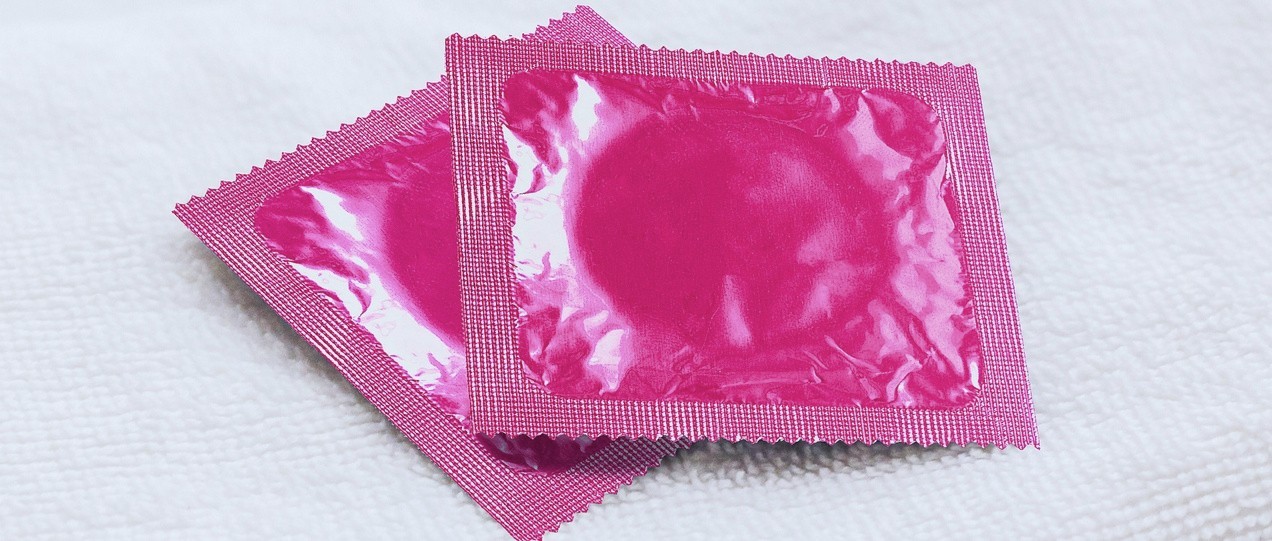
Calls for improved access to sexual health services as STI rates soar
Peer reviewed by Milly EvansAuthored by Milly EvansOriginally published 4 Jun 2019
Meets Patient’s editorial guidelines
- DownloadDownload
- Share
- Language
- Discussion
- Audio Version
- Add to preferred sources on Google
A new report from Public Health England (PHE) shows an increase in sexually transmitted infections (STIs) in England last year compared to 2017.
The annual PHE report on rates of sexually transmitted infections and chlamydia screening reflects a trend of more STI diagnoses (447,694 diagnoses; 5% increase) and fewer young people attending chlamydia screenings (1% decrease) in 2018 compared to 2017. Cases of chlamydia in 15- to 24-year-olds increased by 2% as testing saw a 22% decline since 2014. Incidences of chlamydia in the overall population increased by 6% and syphilis by 5%.
Particularly concerning is a 26% increase in cases of gonorrhoea, especially considering the emergence of a drug-resistant form of the bacterium. The number of gonorrhoea diagnoses in 2018 was the largest number reported since 1978, with a 249% increase since 2009.
Dr Gwenda Hughes, head of STI surveillance at PHE, said: "The rise in sexually transmitted infections is concerning. STIs can pose serious consequences to health - both your own and that of current and future sexual partners. No matter what age you are, or what type of relationship you are in, it's important to look after your sexual health. If you have sex with a new or casual partner, make sure you use condoms and get regularly tested."
Cases of first episode genital warts have seen a 56% decrease in 15- to 17-year-old girls compared to 2017, largely attributed to the high coverage of the national HPV immunisation programme, reflected in a large drop in cases since 2014.
The most commonly diagnosed STIs in England last year were chlamydia (49% of new diagnoses), first episode genital warts (13%), gonorrhoea (13%) and genital herpes (8%). Young heterosexual people, black ethnic minorities and gay, bisexual and other men who have sex with men remain the populations most affected by STIs.
Online sexual health services, including tests ordered online, now account for 17% of STI tests and 14% of chlamydia diagnoses for 15- to 24-year-olds.
Debbie Laycock, head of policy and public affairs at HIV and sexual health charity Terrence Higgins Trust, said: “We are yet again seeing soaring rates of syphilis and gonorrhoea, and increases in the number of people attending sexual health services, which is happening against a backdrop of central government stripping £700m from public health budgets in the last five years. The Government cannot bury its head any longer; the consequences of underinvestment and services struggling to meet demand are plain to see with these STI numbers."
PHE's key messages from the report include calling for open access to sexual health services that provide rapid treatment, effective implementation of high-quality relationships and sex education (RSE) in schools and local and national sexual health services being made available to the general population as well as groups with greater needs.
Patient picks for Sexually transmitted infections

Sexual health
Can you get chlamydia from kissing?
There are plenty of myths and misconceptions surrounding sexually transmitted infections (STIs) and how you contract them, one being that you can catch chlamydia from kissing. Let's explore this ...
by Emily Jane Bashforth
Sexual health
Video: What are the different types of STI?
Whether you've just been diagnosed with a sexually transmitted infection or suspect you have one, it's useful to know exactly what each one is, as well as the possible causes and treatments. Our experts look at some of the main questions surrounding various STIs.
by Dr Rosemary Leonard MBE, MRCGP
About the authorView full bio
Authored by

Milly Evans
Editor
Milly writes on a range of health topics, with a particular interest in health inequality and sexual health.
About the reviewerView full bio
Milly Evans
Editor
Milly writes on a range of health topics, with a particular interest in health inequality and sexual health.
Article history
Article also available in English, German, Spanish, French, Italian, Portuguese, Hindi, Hebrew, Arabic, and Swedish.
4 Jun 2019 | Originally published
Authored by:
Milly EvansPeer reviewed by
Milly Evans
Join the conversation
Share your thoughts or experiences with others in our patient communities.

Ask, share, connect.
Browse discussions, ask questions, and share experiences across hundreds of health topics.

Feeling unwell?
Assess your symptoms online for free
Sign up to the Patient newsletter
Your weekly dose of clear, trustworthy health advice - written to help you feel informed, confident and in control.
By subscribing you accept our Privacy Policy. You can unsubscribe at any time. We never sell your data.