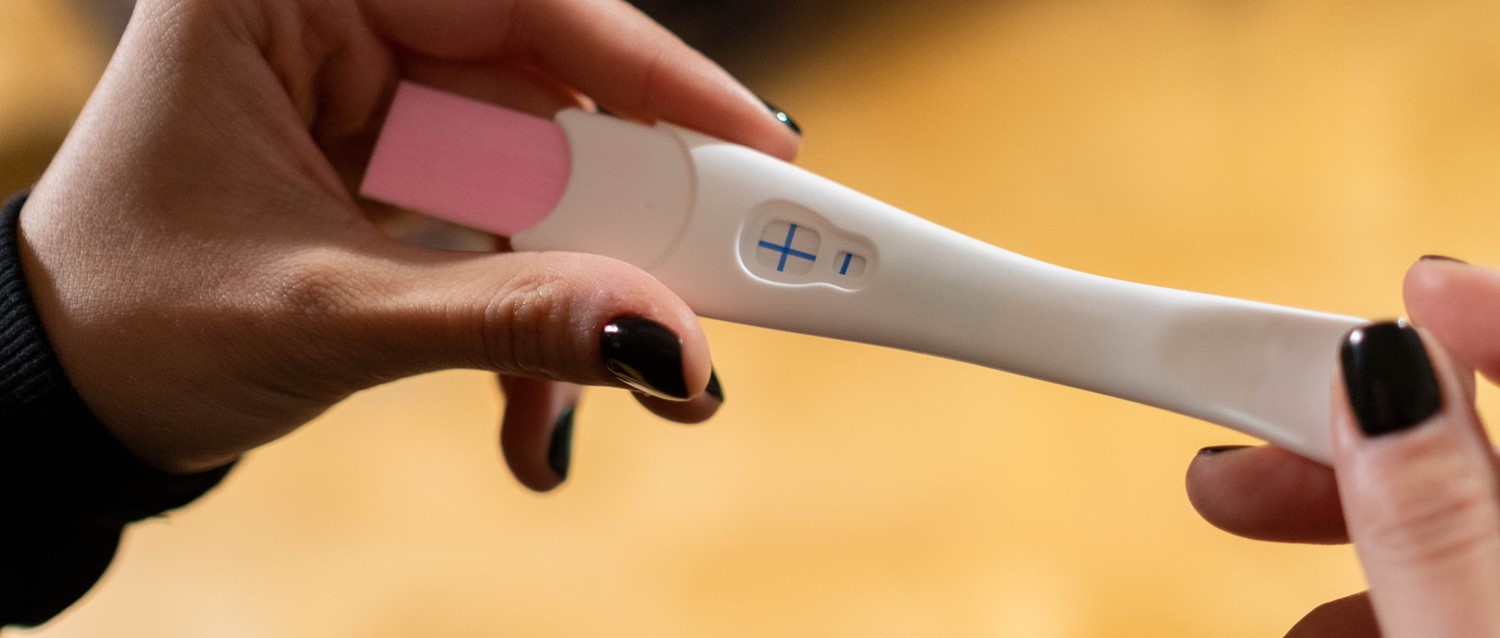
What is the difference between implantation bleeding and a period?
Revisione paritaria di Dr Sarah JarvisAutore Lydia SmithPubblicato originariamente 1 Nov 2021
Rispetta le linee guida editoriali
- ScaricaScarica
- Condividi
- Language
- Discussione
- Ask Patient
- Versione audio
- Aggiungi alle fonti preferite su Google
Trying for a baby and the early days of pregnancy can be a stressful time and you may be on high alerts for signs and symptoms, or wondering whether what is happening to your body is normal. It can be especially anxiety-inducing to experience some spotting if you are trying to conceive. Although it could be a period, it may also be implantation bleeding - a sign of early pregnancy.
Iscriviti al nostro corso gratuito di 8 settimane sulla Gravidanza Sana!
Ogni settimana condivideremo informazioni utili e consigli essenziali su argomenti come nutrizione, esercizio fisico, salute mentale, sintomi da tenere d'occhio e preparazione al parto, per aiutarti a navigare nel tuo percorso di gravidanza a qualsiasi stadio tu sia.
Abbonandoti accetti i nostri Informativa sulla Privacy. Puoi annullare l'iscrizione in qualsiasi momento. Non vendiamo mai i tuoi dati.
What is implantation bleeding?
When you ovulate, one of your ovaries releases an egg into your Fallopian tubes. If you have unprotected sex up to three days before or within 24 hours of this release, there's a chance that the egg could become fertilised with sperma. Implantation bleeding can occur in very early pregnancy when the fertilised egg attaches to the uterine lining.
"Implantation is when the fertilised egg is embedding into the wall of the womb, which usually happens around the time your period would have been due," explains Amina Hatia, midwifery manager of the UK la gravidanza and baby loss charity Tommy's. "Sometimes this leads to very light spotting known as implantation bleeding."
What does implantation bleeding look like?
If you are trying to get incinta, bleeding can be the sign of a period. However, the colour and quantity of blood seen with implantation bleeding is different from ordinary menstrual blood. You may see it when you wipe after going to the toilet or in your underwear.
"It shouldn't be enough to soak through pads or underwear, and it is light pink or brown rather than very red, and should only last for a day or so," says Hatia.
"Light bleeding without pain is common in early pregnancy - before 12 weeks - so don't panic if you experience this, but always contact your doctor or midwife and get checked out straightaway just to be sure."
Ricerca suggests light bleeding happens in 15% to 25% of early pregnancies. Although it can be worrying, Tommy's states that many women who experience vaginal bleeding in the first trimester continue to have a viable pregnancy.
Implantation cramping
Sometimes, you may feel light cramping that feels a little like dolori mestruali during implantation. Not everyone feels this cramping, and the intensity varies from person to person. Some describe implantation cramping as a dull ache or light twinges, or even a pulling sensation. Like period pain, the sensations can be felt in the lower abdomen and the lower back too.
Every ciclo mestruale is a different length and isn't necessarily 28 days long. Therefore, it is difficult to say exactly when your implantation spotting and cramping may occur.
If you notice any spotting or very light bleeding around the date you would have your period and you suspect you might be incinta, it's important to take a pregnancy test. If you are pregnant, talk to your GP and mention any bleeding you have, just so any other factors can be ruled out.
What are the other signs of early pregnancy?
If you have a regular monthly menstrual cycle, the earliest and most reliable sign of pregnancy is a missed period.
Other symptoms of early pregnancy include affaticamento, food aversions or cravings, a stronger sense of smell, swollen breasts and nausea, although sickness usually kicks in from between four and six weeks of pregnancy.
What else can cause bleeding in early pregnancy?
Light bleeding or spotting in the first 12 weeks of la gravidanza can be normal. However, you should speak to your doctor, midwife or Early Pregnancy Unit - at your local hospital - to be checked just in case. Bleeding in pregnancy after the first trimester is not common and you should contact A&E or your hospital maternity unit immediately so you can be examined.
There are a few reasons why you might experience light bleeding or spotting during the first trimester. Gravidanza hormones can cause changes to the cervice, which can sometimes trigger bleeding, particularly after sex. Occasionally, vaginal bleeding can also be caused by an infection, which should be treated quickly.
When is bleeding more serious in the first trimester?
Bleeding can sometimes be a sign of something more serious. It's important to seek urgent medical attention for any vaginal bleeding if you have had a positive pregnancy test. Your doctor will be able to run some simple examinations and tests to rule out anything serious.
A aborto spontaneo is when a pregnancy ends before 24 weeks and symptoms can include bleeding that is bright red and needs a pad, cramping, or back and stomach pain. According to Tommy's, some women may experience what is known as a 'threatened aborto spontaneo'. This is diagnosed where there is ongoing bleeding with or without pain but the woman is still pregnant.
Un gravidanza ectopica can also cause bleeding, stomach pain on one side, pain in the tip of the shoulder or discomfort when going to the toilet. This is when a fertilised egg implants outside the womb, usually in the Fallopian tube. This is a medical emergency, and it's especially important to see a doctor urgently if you get one-sided pain at around the same time as bleeding.
A molar pregnancy is a rare complication in which a fetus doesn't form properly in the womb and a baby doesn't develop. Bleeding, severe morning sickness and an unusually swollen abdomen are all symptoms.
However, it's important to get checked by your doctor or the maternity unit who will be able to confirm if your bleeding is a problem or not.
Scelte del paziente per Sanguinamento in gravidanza

Gravidanza
Come supportare un'amica dopo un aborto spontaneo o una morte in utero
Se un amico o un familiare subisce un aborto spontaneo o un parto prematuro, è naturale voler offrire il proprio supporto. Ma può essere difficile sapere cosa fare e cosa dire. Esaminiamo come supportare al meglio un amico o una persona cara che sta affrontando la perdita di un bambino.
di Gillian Harvey
Gravidanza
Come influisce un aborto spontaneo sui partner?
La perdita di una gravidanza è spesso un argomento difficile di cui parlare, eppure il nostro silenzio lascia molte donne a lottare per trovare supporto o riconoscimento del loro dolore. Anche i partner, però, non vengono riconosciuti nella loro lotta dopo un aborto spontaneo.
di Allie Anderson
Informazioni sull'autoreVisualizza il profilo completo
Autore

Lydia Smith
Scrittore di articoli
BA, MA, MSc
Lydia Smith è una giornalista pluripremiata e scrittrice di articoli che ha scritto ampiamente sulla salute delle donne e sulla salute mentale. Attualmente sta studiando per un MSc in psicologia.
Informazioni sul recensoreVisualizza il profilo completo

Dr Sarah Jarvis
Consulente Clinico
MA (Cantab), BM, BCh (Oxon), DRCOG, FRCGP, MBE
Dopo aver completato la formazione in medicina a Cambridge e Oxford, la Dott.ssa Sarah Jarvis MBE è diventata un medico di base.
Storia dell'articolo
Articolo disponibile anche in Inglese, Tedesco, Spagnolo, Francese, Italiano, Portoghese, Hindi, Ebraico, Arabo, and Svedese.
1 Nov 2021 | Pubblicato originariamente
Autore:
Lydia SmithRevisione paritaria di
Dr Sarah Jarvis
Condividi i tuoi pensieri o esperienze con gli altri nel nostro comunità di pazienti.
Accesso semplice a trattamenti affidabili e servizi sanitari online.
Common conditions
Get help with common conditions through the NHS, without a GP appointment.
 Sinusite acuta
 Tonsillite batterica
 Impetigine
 Punture di insetti
 Fuoco di Sant'AntonioInfezioni delle vie urinarie (IVU)
Iscriviti alla newsletter di Patient
La tua dose settimanale di consigli sulla salute chiari e affidabili - scritti per aiutarti a sentirti informato, sicuro e in controllo.
Abbonandoti accetti i nostri Informativa sulla Privacy. Puoi annullare l'iscrizione in qualsiasi momento. Non vendiamo mai i tuoi dati.