
What's the difference between a side effect and a drug allergy?
Peer reviewed by Dr Krishna Vakharia, MRCGPLast updated by Victoria RawLast updated 24 Oct 2024
Meets Patient’s editorial guidelines
- DownloadDownload
- Share
- Language
- Discussion
- Audio Version
- Add to preferred sources on Google
Many of my patients get confused between side effects or intolerance and allergy. Side effects may settle with time and there may be steps you can take to reduce your chance of having them. But if you have an allergic reaction, you must stop the medicine and not take it again.
Last year in England, more than 1 billion prescriptions were issued. That's an awful lot of medicines, and an awful lot of potential for side effects as well as allergies.
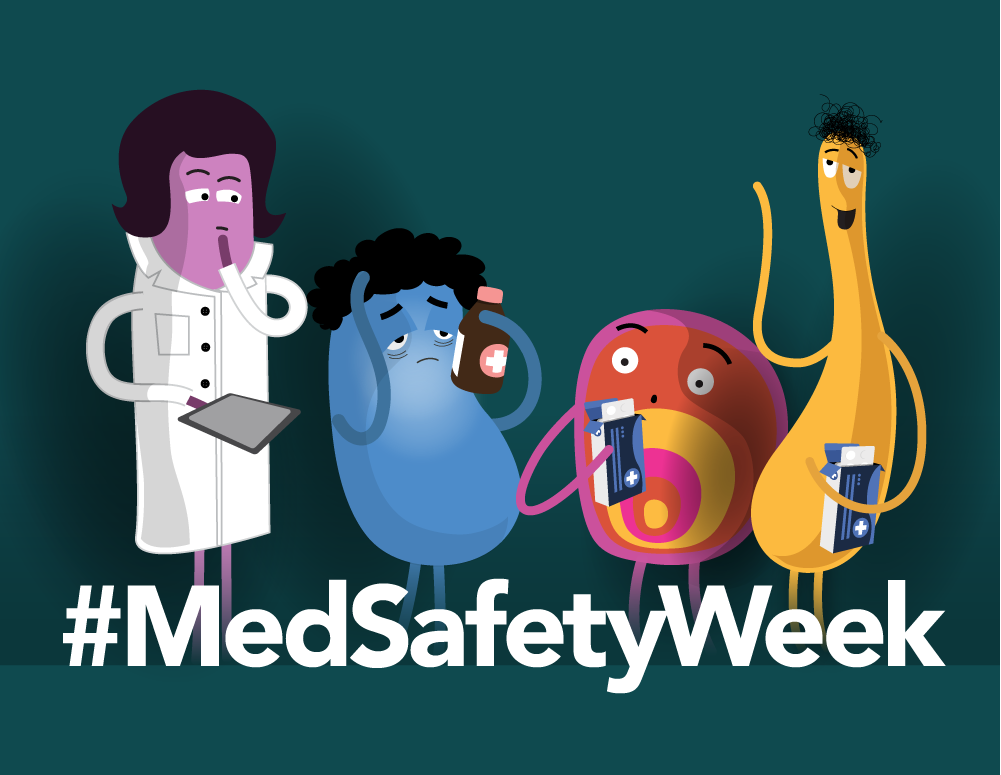
#MedSafetyWeek is an annual campaign organised by the Medicines and Healthcare products Agency (MHRA). This encourages you to report any suspected side effects from medicines, a medical device incident, or if you believe a product isn't working as intended. The MHRA Yellow Card Scheme helps to detect and resolve potential safety issues with medicines and healthcare products.
#MedSafetyWeek 2024 (4-10 November)
How to tell if you have a drug allergy
A drug allergy is your immune system's reaction to a medicine. It's important to be aware of allergies, because if you take the same medicine again, the reaction could be worse.
Antibiotics - particularly penicillin - are a good example. The first allergic reaction many people have is an itchy rash. But once your body is primed to recognise something as an enemy, your immune system reacts more strongly.
In worst case scenarios, it could result in a potentially life-threatening reaction called anaphylaxis. This is a sudden itchy rash - like nettle rash - that's accompanied by wheezing, palpitations, dizziness, swelling around the mouth, the lips and the tongue, and more.
Rashes are usually due to allergy, and if you develop a rash shortly after starting a medicine it should always be checked out.
If you've ever been told you're allergic to any medicine, tell your doctor or pharmacist before they issue a new medicine.
How to tell if it's a side effect?
Side effects, rather than allergies, are far more common. Among the most common examples are:
Feeling sick and/or diarrhoea - with antibiotics like erythromycin, statins, some painkillers and antidepressants medicines.
Needing to pee more often - with 'water' tablets for high blood pressure or heart failure, and some medicines for type 2 diabetes.
Tiredness - with strong painkillers, some antihistamines or depression tablets and beta-blockers for abnormal heart rhythms.
Muscle aches - with statins.
With most medicines, side effects tend to be worse just after you start the tablets, and often settle within days or weeks at most. There are exceptions. With the blood pressure-lowering ACE inhibitors, dry cough - or even swelling around the face and lips (angio-oedema) - can develop more than one year after starting.
Read the leaflet
It's worth talking with your pharmacist and reading the patient leaflet for a full list of recognised side effects. However, it's important to remember that many side effects are very rare - they all have to be listed for legal reasons, even if most people don't get them.
Check the label of your medicine - some tablets may cause side effects if taken on an empty stomach, but will be fine with food.
Never take someone else's prescription medicine, or share yours with anyone else. Keep all medicines out of sight and reach of children. Always read the patient information leaflet (PIL) or instructions that come with any medicine or medical device. This will provide important details about potential side effects, risks, and how to use the product correctly.
Ask the pharmacist
I'm a huge fan of community pharmacists. This is yet another time they can be invaluable. Your community pharmacist really is the expert where medication is concerned.
They can tell you if a symptom is likely due to your medicine, whether it's likely to settle and what you should do. They can also advise on possible interactions between drugs you're taking. Do remember that herbal remedies and even food supplements can cause side effects or interact with prescribed medicines, so let your pharmacist know everything you're taking.
If you're having any symptoms you think might be related to your medicine, speak to your pharmacist first, unless it's a medical emergency. As with a GP appointment, it helps to be prepared. Make a list of any symptoms you have as well as any medicines you take - and that includes medicines bought over the counter. Even anti-inflammatory drugs like ibuprofen, available without prescription, can cause tummy pain and bleeding.
Depending on what medicines you take, you may be able to book a review of your medicines with your pharmacist using Patient Access.
What about 'natural' remedies?
Many people assume that 'natural’ supplements or remedies are safe and don't have side effects. However, everything that has a positive effect can have a negative effect as well. The list is endless, but some examples include St John's wort, used for depression, and aspirin - whether prescribed or taken for pain.
If you're taking the blood-thinner warfarin - commonly used if you have an abnormal heart rhythm called atrial fibrillation - you need to be particularly careful. It interacts with a host of prescribed medicines, supplements, and even food and drink - including alcohol, Brussels sprouts, and curly kale.
It's important to have regular blood tests when you're taking warfarin, but it's also a good idea to have a chat with your pharmacist about possible interactions, especially if your blood tests aren't stable.
How to report side effects
If you get any side effects, talk to your doctor, pharmacist, or nurse. This includes any possible side effects not listed on this page or the information that comes with the medicine. You can also report side effects yourself - or on behalf of someone you’re caring for - using the Medicines and Healthcare products Regulatory Agency (MHRA) Yellow Card scheme.
Every report counts, and helps the MHRA monitor the safety of medicines and prevent future harm to others. You can also download the MHRA Yellow Card app in the Google Play or Apple App Store.
By reporting side effects you can help provide more information on the safety of this medicine.
With thanks to My Weekly magazine, where this article was originally published.
Patient picks for Allergies

Allergies, blood and immune system
Anaphylactic shock: symptoms, triggers, and what to do
Up to 1 in 5 allergic people live in fear of death from a possible anaphylactic shock - a severe and often sudden allergic reaction that requires emergency medical attention. Thankfully, fatalities are rare, but if you or a loved one has a severe allergy, it's important to know the warning signs and what to do.
by Amberley Davis

Allergies, blood and immune system
Are your Christmas decorations triggering your allergies?
What if your cold-like symptoms aren't due to a cold at all, but caused by your Christmas decorations? You may be allergic to the dust mites, mould, or pollen that inhabit your Christmas decorations.
by Lynn Stephen
About the authorView full bio
Updated by

Victoria Raw
Feature Writer
BA (Hons), English Literature
Victoria is a content writer at Patient, with special interests spanning mental wellbeing, societal trends and the impact of technology on our health.
Authored by

Dr Sarah Jarvis
Clinical Consultant
MA (Cantab), BM, BCh (Oxon), DRCOG, FRCGP, MBE
After training in medicine at Cambridge and Oxford, Dr Sarah Jarvis MBE became a GP.
About the reviewerView full bio

Dr Krishna Vakharia, MRCGP
Chief Medical Officer for Health, Optum UK
MBChB, MRCGP(2013), BMedSci (hons), DFSRH, DRCOG, PGDipDerm (Distn)
Dr Krishna Vakharia is an NHS GP. She is also a regular examiner for the postgraduate Diploma in Practical Dermatology at Cardiff University as well as being the Chief Medical Officer for health at Optum UK.
Article history
Article also available in English, German, Spanish, French, Italian, Portuguese, Hindi, Hebrew, Arabic, and Swedish.
Next review due: 24 Oct 2027
24 Oct 2024 | Latest version
4 May 2020 | Originally published
Authored by:
Dr Sarah Jarvis
Join the conversation
Share your thoughts or experiences with others in our patient communities.

Ask, share, connect.
Browse discussions, ask questions, and share experiences across hundreds of health topics.

Feeling unwell?
Assess your symptoms online for free
Sign up to the Patient newsletter
Your weekly dose of clear, trustworthy health advice - written to help you feel informed, confident and in control.
By subscribing you accept our Privacy Policy. You can unsubscribe at any time. We never sell your data.