
When to worry about an allergic reaction
Peer reviewed by Dr Krishna Vakharia, MRCGPAuthored by Dr Sarah JarvisOriginally published 24 Nov 2022
Meets Patient’s editorial guidelines
- DownloadDownload
- Share
- Language
- Discussion
- Audio Version
- Add to preferred sources on Google
Allergies are complicated. They happen when your immune system, which usually helps your body fight off infection and other intruders, over-reacts. They're also very common - affecting around one quarter of people in the UK at some point. About half of people with allergies are children but you can develop an allergy at any age. While many are mild - an itchy nose from mild hay fever is one of the commonest - others can be life-threatening. So how do you know the difference?
What causes anaphylaxis?
The most severe kind of allergic reaction is anaphylaxis. Up to half a million people in the UK have had an anaphylactic reaction to bee or wasp stings; and nearly half as many again have an anaphylactic allergy to nuts. To make matters worse, if you've had a severe allergic reaction to one thing, you're at higher risk of developing the same symptoms after being exposed to something else.
Anything that causes an allergic reaction is called an allergen. The most common allergens that cause anaphylactic reactions in children are foods, whereas in adults it's more likely to be medicine. The most common culprits for anaphylaxis are venom from insect stings; food - especially peanuts, some other nuts, sesame seeds, shellfish, eggs, milk and certain fruits; latex; and medicines, including penicillin and strong painkillers or aspirin.
What are the symptoms of anaphylaxis?
The symptoms of anaphylaxis come on very quickly after you've been exposed to whatever you're allergic to. The symptoms include:
Wheezing and hoarseness as your airways swell and narrow.
Swelling of your lips, tongue and throat.
An itchy rash like a nettle rash.
Feeling faint or dizzy.
A sense of impending doom.
Palpitations.
Shortness of breath.
Feeling or being sick, diarrhoea and tummy pain.
In severe cases anaphylaxis can lead to confusion, collapse, loss of consciousness and can even be fatal.
What happens if I've had an anaphylactic reaction?
If you ever have an anaphylactic reaction to something, you must be referred to an allergy clinic to find out what caused it. You must avoid coming into contact with the slightest trace for ever and must carry an adrenaline auto-injector pen which you use at the first sign of another similar reaction. The team at the clinic can explain what to look out for and what to do.
If you've ever had a very severe allergic reaction, your medical team will probably advise you to wear an allergy bracelet or necklace in case you collapse. By the time help arrives, there's a chance you may be unconscious or unable to explain the issue - an allergy alert will do this for you.
If you have a food allergy, you'll need to get into the habit of reading food labels carefully and always advising restaurants of anything you're allergic to. The medical charity Allergy UK provides useful allergy alerts for food products which have been recalled because they were found to contain potential allergens not included in the list of ingredients. You can also sign up with them to receive email alerts about food products.
What happens when you have an allergic reaction?
Your immune system usually helps you fight off invaders, such as viruses or bacteria. It does this through a complex system of cells and chemicals which communicate with each other. Antibodies are produced by your immune system - the antibodies involved in many allergic reactions - hay fever, some types of asthma, most cases of anaphylaxis - are called immunoglobulin E (IgE) antibodies. These recognise a very specific invader and trigger your body to respond to it. Once the body has been primed to recognise that allergen, it produces large quantities of tailored IgE antibodies.
That means that next time you're exposed to the allergen, you may get an allergic reaction within minutes. How severe that reaction is depends on how much the immune system is primed, and in some cases how much allergen you're exposed to. In severe allergy, a miniscule amount of allergen - for instance, dust from peanuts carried in the air in an aircraft when someone opens a packet of peanuts - can cause anaphylaxis. Some allergic reactions are called 'non-IgE' reactions - most children who have cow's milk allergy have the non-IgE form. This also triggers your body to attack the allergen, but the reaction is often delayed for several hours.
What does histamine do?
One of the main responses of your body to being exposed to an allergen is to release a chemical called histamine. In hay fever, for instance, this is released just in your nose and eyes, when you come into contact with pollen. As part of its attempts to get rid of the allergen, it triggers inflammation, sneezing and itching. In other allergies, it's released into the bloodstream and can lead to more widespread reaction like an itchy rash.
That's why antihistamines - in tablet or spray form - are so widely used to treat allergy symptoms. If you get mild allergic reactions, keeping antihistamines to hand may prevent or solve the problem. But avoiding the trigger is even more effective.
What is the difference between allergy and side-effects?
As if teasing out the different types of allergic reaction wasn't hard enough, there's also huge confusion between allergy and side effects. For instance, some antibiotics - such as erythromycin - can make you feel very sick if you take them on an empty stomach. Many people find the type 2 diabetes medicine metformin makes them feel sick or have diarrhoea, especially if taken before food: that's not an allergy -it's your stomach, not your immune system, reacting.
The difference is very important. You can often reduce drug side effects - for instance, by changing the time you take them or taking them with food - and can often continue taking your medication. If you have a severe allergic reaction to a medicine, by contrast, you must avoid it completely for ever.
What is the difference between food allergy and intolerance?
There are also important differences between intolerance and allergy. Lots of people are intolerant to food - milk, wheat, high fibre foods. Food intolerance mostly causes gut symptoms - bloating, wind, feeling sick or tummy pain. It's never life-threatening and you can often tolerate a small amount of that food without getting any symptoms. For instance, if you have mild lactose intolerance you may feel fine after a cup of tea with milk but vomit after a whole glass of milk.
Local allergies
There are lots of local allergic reactions - I have a mild allergy to wool, meaning my skin itches and my eyes start to stream if I wear anything containing it.
Local allergic dermatitis - skin inflammation - is commonly caused by nickel, especially in jewellery and belts - you develop a sore, itchy, painful rash after the slightest contact with it.
Hay fever, which affects about one in five people in the UK, is due to an allergy to pollen. The medical name is 'allergic rhinitis' because it mostly affects the nose, leading to itching, sneezing and blocked or runny nose. However, it can also lead to irritation and itching in your eyes and throat when they come into contact with pollen.
Perennial or persistent rhinitis leads to similar symptoms to hay fever, but it's most often due to allergy to house dust mites. That means people with persistent rhinitis can get symptoms all year round. If allergy is to blame, treatments are similar to those for hay fever.
With thanks to 'My Weekly' magazine where this article was originally published.
Patient picks for Allergies

Allergies, blood and immune system
Coconut allergy: can coconut oil make your skin itch?
Coconut is present in a large amount of products, whether that's food or haircare. While coconut allergy is very rare, it can be very distressing for those who do struggle with it. Thankfully, there are treatment options available.
by Emily Jane Bashforth
Allergies, blood and immune system
What is Skeeter syndrome? When a mosquito bite is more than just an itch
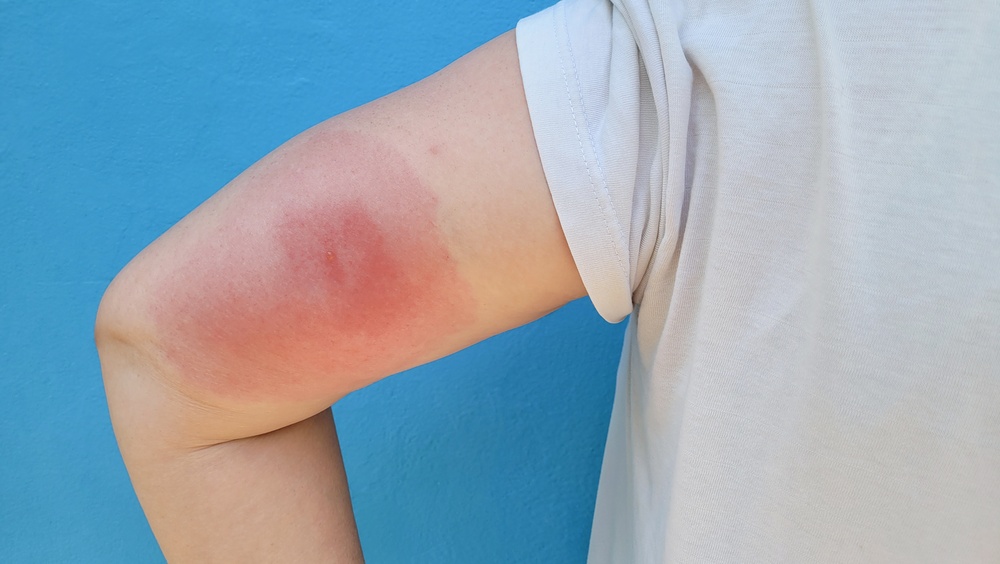
For most people, a mosquito bite is no more than an itchy nuisance. But for some people, a bite can trigger a much more dramatic reaction, with extensive swelling, redness, warmth, and itching that can last for several days. This reaction is known as Skeeter syndrome.
by Heather Ainsworth
Frequently asked questions
What is the likelihood of having repeated anaphylactic reactions if I've had one before?
If you have experienced a severe allergic reaction to one substance, you are at a higher risk of developing similar symptoms upon exposure to something else. This means your body is more primed for severe allergic responses.
How do I know if I have a non-IgE allergic reaction, and what does that mean for me?
Some allergic reactions are classified as 'non-IgE' reactions. This type often results in a delayed response, sometimes several hours after exposure to the allergen. An example is the cow's milk allergy commonly seen in children. While it still involves your body attacking the allergen, the delayed onset differentiates it from the rapid IgE-mediated reactions typical of anaphylaxis.
Are there any specific situations where the amount of allergen exposure might cause a severe reaction?
Yes, in cases of severe allergy, even a minuscule amount of an allergen can trigger anaphylaxis. The article mentions an example of dust from peanuts in the air of an aircraft, released when someone opens a packet, potentially causing a reaction.
The article mentions Allergy UK. What services do they offer to help with food allergies?
Allergy UK provides valuable allergy alerts for food products that have been recalled due to undeclared allergens. You can also sign up with them to receive these food product alerts via email, helping you stay informed about potential risks.
How can I distinguish between a mild allergic reaction and something more serious like anaphylaxis?
While mild allergic reactions can involve symptoms like an itchy rash, anaphylaxis symptoms come on very quickly and are more severe. These include airway swelling, hoarseness, swelling of the lips, tongue, and throat, feeling faint, a sense of impending doom, shortness of breath, palpitations, vomiting, diarrhoea, and abdominal pain. In severe cases, it can lead to confusion, collapse, loss of consciousness, and can be fatal.
About the authorView full bio

Dr Sarah Jarvis
Clinical Consultant
MA (Cantab), BM, BCh (Oxon), DRCOG, FRCGP, MBE
After training in medicine at Cambridge and Oxford, Dr Sarah Jarvis MBE became a GP.
About the reviewerView full bio

Dr Krishna Vakharia, MRCGP
Chief Medical Officer for Health, Optum UK
MBChB, MRCGP(2013), BMedSci (hons), DFSRH, DRCOG, PGDipDerm (Distn)
Dr Krishna Vakharia is an NHS GP. She is also a regular examiner for the postgraduate Diploma in Practical Dermatology at Cardiff University as well as being the Chief Medical Officer for health at Optum UK.
Article history
The information on this page is peer reviewed by qualified clinicians.
Article also available in English, German, Spanish, French, Italian, Portuguese, Hindi, Hebrew, Arabic, and Swedish.
24 Nov 2022 | Originally published
Authored by:
Dr Sarah JarvisPeer reviewed by
Dr Krishna Vakharia, MRCGP
Join the conversation
Share your thoughts or experiences with others in our patient communities.

Ask, share, connect.
Browse discussions, ask questions, and share experiences across hundreds of health topics.

Feeling unwell?
Assess your symptoms online for free
Sign up to the Patient newsletter
Your weekly dose of clear, trustworthy health advice - written to help you feel informed, confident and in control.
By subscribing you accept our Privacy Policy. You can unsubscribe at any time. We never sell your data.
More in allergies, blood and immune system
- Aquagenic urticaria: living with an allergy to water
- Are all hay fever treatments the same?
- Blood test could predict Alzheimer's 20 years before symptoms
- Blood test may detect ovarian cancer two years earlier
- Could you be allergic to the sun?
- Hay fever injection: is Kenalog safe?
- How to cope with a nut allergy at Christmas
- How to find the right treatment for your hay fever
- How to get over a fear of blood tests
- How to wean a baby with a cow's milk allergy
- Is it cow's milk allergy or lactose intolerance?
- Is it easy to have an HIV test?
- NHS to roll out world-first blood test for cancer
- These are the worst things you can do for your immune system
- What are the signs of a cow's milk allergy in babies?
- What does a full blood count show us?
- What is a CA125 blood test?
- NewWhat is Skeeter syndrome? When a mosquito bite is more than just an itch
- Which type of hay fever nasal spray is right for you?
- Why do some people suddenly develop hay fever?