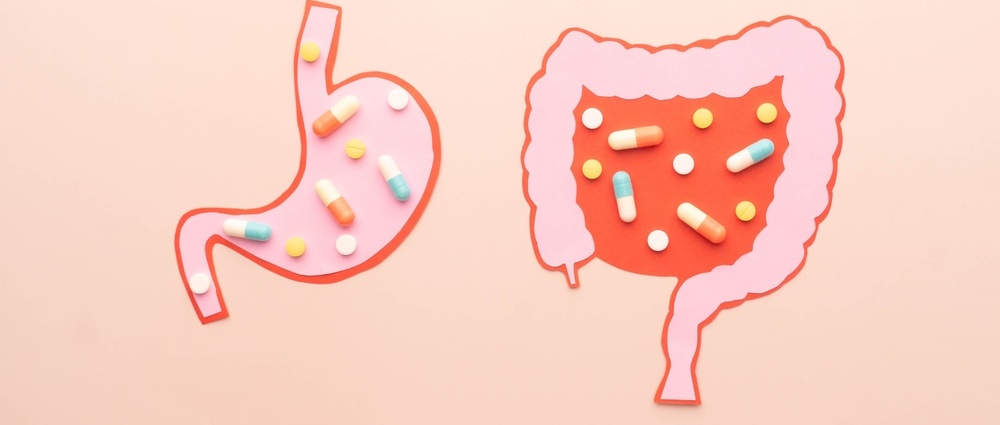
Quando preoccuparsi per l'indigestione
Revisione paritaria di Dr Colin Tidy, MRCGPUltimo aggiornamento di Lynn StephenUltimo aggiornamento 11 Dec 2025
Rispetta le linee guida editoriali
- ScaricaScarica
- Condividi
- Language
- Discussione
- Versione audio
- Aggiungi alle fonti preferite su Google
La maggior parte di noi soffre di indigestione di tanto in tanto, ma per alcuni è un fastidio regolare. Come puoi evitarla e quando dovresti preoccuparti dell'indigestione?
The medical term for indigestion is 'dyspepsia' - this includes several different types of stomach pain caused by issues with your digestive tract.
Symptoms of indigestion
Indigestione covers a variety of symptoms. The most common is pain - typically a burning pain in the top part of your stomach (upper abdomen), or travelling behind your breastbone.
However, indigestion can also cause:
Nausea or being sick.
Bloating of your tummy.
Burping.
Feeling full quickly when you eat.
Bruciore di stomaco.
How long can indigestion last?
In most cases, indigestion goes away in a few hours.
However, if you find you get indigestion often, or your symptoms last for more than two weeks, it could be a sign of a serious condition. In this case, it is important to talk to your doctor, as they may recommend tests to investigate the cause of your indigestion.
Causes of indigestion
Stomach acid
Indigestion is usually caused by infiammazione in your stomach. This is often due to too much stomach acid, which your body makes to digest food. If this acid backs up into your food pipe (oesophagus), it can cause bruciore di stomaco - burning pain behind your breastbone, sometimes accompanied by a bitter liquid rising into your mouth. In the UK, 1 in 4 adults and 1 in 5 in the US regularly experience heartburn.
Altre cause includono:
Ulcere
Peptic ulcers include ulcers in your stomach and the area connecting the top of your gut to your stomach (duodenum).
Ernia iatale
Ernia iatale occurs when the top part of the stomach pushes up into the chest cavity, often causing heartburn.
Gravidanza
Indigestion is common in pregnancy and around half of all pregnant women have indigestion at some point. Indigestion in pregnancy is usually due to reflux of acid from the stomach into the oesophagus.
Cancro allo stomaco
Indigestion can occasionally be a sign of stomach cancer, although this is rare and most people who have indigestion do not have stomach cancer. If it gets worse or does not get better after 3 weeks with usual medicines it is recommended to see your doctor, particularly if combined with other symptoms such as unintended weight loss, feeling sick, and blood in your poo.
Medicines that cause indigestion
Medicines are a common cause of indigestion.
Some of the most likely to cause it include:
Aspirina.
Compresse antinfiammatorie - may be taken for muscle pains or arthritis. These include medicines such as ibuprofen, diclofenac, and naprossene.
Tablets taken daily, weekly, or monthly to prevent osteoporosi, or 'thinning' of the bones (bisphosphonates).
Alcuni antibiotici - especially eritromicina.
Medicines used for high blood pressure or sometimes angina (calcium antagonists).
If your indigestion starts, or becomes worse, shortly after you start taking one of these medicines, see your doctor. They may be able to change your tablets - or the time you take it - to stop indigestion from happening.
Germi
Sometimes a germ called Helicobacter pylori can make indigestion worse. Your doctor may perform a breath, poo (stool), or blood test for this and if necessary, give you a one-week course of treatment with three different tablets to get rid of it. This doesn't always work and it involves taking several tablets a day and often having to avoid alcohol for a week, but it can reduce the chance of symptoms returning.
How to treat indigestion
Inibitori della pompa protonica
Tablets such as proton pump inhibitors (PPIs) - for example, omeprazolo, lansoprazolo and, esomeprazolo - help to keep stomach acid under control and hopefully ease the symptoms of indigestion.
Home remedies for indigestion
There are several home remedies that have proved to be effective in treating indigestion in the short-term.
Questi possono includere:
Chamomile tea.
Peppermint tea.
Apple cider vinegar.
Ginger.
Fennel seed.
However, home remedies should not be relied upon if your symptoms last for more than two weeks or worsen.
If you have any pre-existing health conditions, you should also talk to your doctor before trying any of these.
When to see a doctor about indigestion
Indigestion and heartburn are rarely due to a serious cause, but there are some possible warning signs which should be checked out by a doctor.
Includono:
Severe pain which doesn't settle with remedies from your pharmacist or doctor.
Being 'off' your food or a perdere peso for no obvious reason.
Food sticking when you swallow, or severe pain on swallowing.
Sangue nelle feci, especially if it's dark red and mixed in with the poo.
Feel generally unwell - which can be down to anemia - or tired.
Persistent bloating that lasts for three weeks or longer - which could in rare cases be caused by il cancro ovarico.
Seek immediate attention by calling for an emergency ambulance (999 in the UK) if:
laou are being sick with blood or black coffee grounds like substance in your vomit.
You have black, tarry poos or blood continuously dripping (not stopping) from your bottom.
Further investigation
Your doctor may recommend further investigations for any of these reasons:
If you have a past history of peptic ulcer.
A condition called esofago di Barrett.
If you develop persistent indigestion or reflux - especially with perdita di peso over the age of 55.
There are two main investigations to check what may be the cause of your long term indigestion:
A gastroscopia - a small flexible tube is passed down your throat, sometimes under sedation, to look inside your stomach. This is done as a day case in hospital but you'll need someone to take you home afterwards.
A colonscopia - done where an abnormality of the lower bowel is suspected. You take medicines at home to empty your gut completely, then go in as a day case to hospital and have a small flexible tube passed up from your bottom to examine your large bowel.
Preventing indigestion
There's much that you can do to relieve or prevent your symptoms happening in the first place.
In heartburn, lying down often brings on the issue because the acid doesn't have to travel against gravity up into your food pipe. Propping the head of your bed up on a couple of risers may help.
So too can a perdere peso, avoiding tight belts or trousers and staying away from large meals or eating too close to bedtime.
For other indigestion, you may find that some foods such as peppermint, tomatoes, alcohol or spicy foods are best avoided.
Your pharmacist can advise on short-term remedies or a course of tablets to relieve the discomfort. You could also try probiotici.
Scelte del paziente per Indigestione e bruciore di stomaco
Salute digestiva
Dieta per il reflusso acido: cibi da mangiare e da evitare
Se avverti un dolore bruciante al petto o che sale lungo la gola dopo aver mangiato, probabilmente stai sperimentando il reflusso acido - una sensazione più comunemente descritta come bruciore di stomaco. Alcuni alimenti sono più propensi a scatenare questo sintomo fastidioso e scomodo. Quindi, se continua a ripresentarsi dopo i pasti, potrebbe essere utile considerare non solo cosa mangi, ma anche come mangi.
di Lynn Stephen
Salute digestiva
Come liberarsi dell'indigestione
L'indigestione è incredibilmente comune e può colpire le persone in modo diverso. Fortunatamente, ci sono modi per gestirla, la maggior parte dei quali sono semplici cambiamenti nello stile di vita.
di Emily Jane Bashforth
Informazioni sull'autoreVisualizza il profilo completo

Dr Sarah Jarvis
Consulente Clinico
MA (Cantab), BM, BCh (Oxon), DRCOG, FRCGP, MBE
Dopo aver completato la formazione in medicina a Cambridge e Oxford, la Dott.ssa Sarah Jarvis MBE è diventata un medico di base.
Informazioni sul recensoreVisualizza il profilo completo

Dr Colin Tidy, MRCGP
Medico di base, Autore medico
MBBS, MRCGP, MRCP (Paediatrics), DCH
Il Dr Colin Tidy è un medico del NHS, con sede nell'Oxfordshire.
Storia dell'articolo
Le informazioni su questa pagina sono revisionate da clinici qualificati.
Articolo disponibile anche in Inglese, Tedesco, Spagnolo, Francese, Italiano, Portoghese, Hindi, Ebraico, Arabo, and Svedese.
Prossima revisione prevista: 10 Dic 2028
11 Dec 2025 | Ultima versione
9 Feb 2018 | Pubblicato originariamente
Autore:
Dr Sarah Jarvis

Chiedi, condividi, connettiti.
Esplora le discussioni, fai domande e condividi esperienze su centinaia di argomenti di salute.

Non ti senti bene?
Valuta i tuoi sintomi online gratuitamente
Iscriviti alla newsletter di Patient
La tua dose settimanale di consigli sulla salute chiari e affidabili - scritti per aiutarti a sentirti informato, sicuro e in controllo.
Abbonandoti accetti i nostri Informativa sulla Privacy. Puoi annullare l'iscrizione in qualsiasi momento. Non vendiamo mai i tuoi dati.
Più sulla salute digestiva
- 6 rimedi naturali per la stitichezza
- Dieta per il reflusso acido: cibi da mangiare e da evitare
- Appendicite nei bambini: quali sono i segni?
- I sintomi della sindrome dell'intestino irritabile negli uomini e nelle donne sono diversi?
- Potrebbero essere calcoli biliari?
- La malattia di Crohn nei bambini: Come supportare tuo figlio
- Dieta per il fegato grasso: cibi da mangiare e da evitare
- Bruciore di stomaco notturno: come migliorare la qualità del sonno con il bruciore di stomaco
- Come gestire il bruciore di stomaco a Natale
- Ipnoterapia per IBS: l'asse intestino-cervello
- Feci - cosa è normale?
- I migliori alimenti per la salute intestinale - e perché ne hai bisogno
- Cosa causa i crampi allo stomaco notturni?
- Qual è il legame tra IBS e ansia?
- Cos'è il tuo microbioma intestinale?
- Cos'è l'epatite autoimmune e in cosa si differenzia dalle altre forme?
- Cosa sta causando il tuo dolore addominale inferiore?
- Qual è la differenza tra l'epatite A, B e C?
- AggiornatoQual è la differenza tra IBS e IBD?
- Perché c'è stato un aumento di epatite nei bambini?