Dieta per il reflusso acido: cibi da mangiare e da evitare
Revisione paritaria di Dr Colin Tidy, MRCGPUltimo aggiornamento di Lynn StephenUltimo aggiornamento 21 Ott 2025
Rispetta le linee guida editoriali
- ScaricaScarica
- Condividi
- Language
- Discussione
- Versione audio
- Aggiungi alle fonti preferite su Google
Se avverti un dolore bruciante al petto o che sale lungo la gola dopo aver mangiato, probabilmente stai sperimentando il reflusso acido - una sensazione più comunemente descritta come bruciore di stomaco. Alcuni alimenti sono più propensi a scatenare questo sintomo fastidioso e scomodo. Quindi, se continua a ripresentarsi dopo i pasti, potrebbe essere utile considerare non solo cosa mangi, ma anche come mangi.

What is acid reflux?
Acid reflux, also known as malattia da reflusso gastroesofageo (MRGE) is caused by acid from the stomach leaking up into your food pipe (oesophagus).
When we say we have heartburn, we're describing the feeling of acid reflux - that burning pain in your chest. Acid reflux can also cause this sensation in your throat.
What causes acid reflux?
The symptoms can be caused by several different factors in your body:
Your stomach may be producing too much acid. One of the triggers for this can be stress.
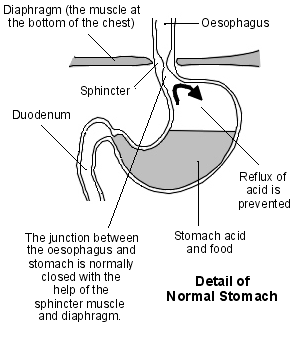
The muscle ring (sphincter) at the bottom of your food pipe may be too relaxed and open, allowing food and acid to reflux upwards. Alcohol and smoking both relax the sphincter.
In people with a hiatus hernia, stomach contents can reflux easily into your oesophagus.
Your stomach may be slow to empty after eating. This is more likely if you eat a fatty meal.
Something may be increasing the pressure in your tummy (abdomen), forcing stomach contents upwards. Factors which increase the pressure include tight clothing, obesity, pregnancy and coughing.
Diagramma del tratto gastrointestinale superiore e organi vicini
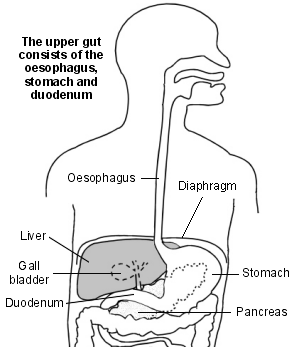
Diagramma dello stomaco normale
What can trigger acid reflux?
It is helpful to try to identify whether there are any particular foods which trigger your acid reflux. It might be a good idea to keep a food diary for at least a week, recording what you eat and drink and what symptoms you have.
There is quite a big list of foods which are said to cause acid reflux. However, they may not all apply to you. For some people, acid reflux may not be triggered by particular foods at all but by other factors. Sometimes the trigger may be a combination of foods and other factors.
There are lots of factors around eating which can make these symptoms worse:
Eating late at night. If possible, don't eat a large meal within three hours of going to bed.
Eating just before you exercise.
Eating large meals.
Eating quickly.
Obesity. Even a moderate perdita di peso may help to reduce symptoms.
Having a lot of fluid to drink with a meal.
Foods to avoid with acid reflux
There are some foods which individual people find make acid reflux worse. An acid reflux diet doesn't have to mean missing out on all these foods - your food triggers may be different. But these foods have all been suggested as reflux triggers, so it's worth noting if you get symptoms after eating any of them.
Foods to avoid:
Cioccolato.
Mint.
Pomodori.
Cipolle.
Aglio.
Citrus fruits - such as oranges and lemons.
Caffeinated and fizzy drinks.
Caffè
Peperoni.
Cetriolo.
Cibi piccanti.
Processed meats - for example, salami, bacon.
How to get rid of acid reflux
An acid reflux diet involves cutting all of the suggested foods out of your diet for one or two weeks to see if your symptoms disappear. If they do disappear then you could add these foods back into your diet one at a time to see if they are what is causing your reflux.
If your symptoms come back, perhaps because of other factors as listed above, you may need to cut out potential triggers again until the symptoms have settled down.
Foods to eat with acid reflux
There aren't any specific foods to eat to treat that feeling of heartburn, but in general, a dieta sana is associated with a lower chance of acid reflux symptoms.
In particular:
Fresh fruits and vegetables, especially raw fruits and leafy green vegetables.
Non-acidic fruit, such as melons and bananas, may be better than more acidic fruits - such as oranges.
Good bacteria (probiotici), such as those found in yogurt.
Indigestion and heartburn are rarely due to a serious cause, but there are some possible warning signs which should be checked out by a doctor.
Sintomi da non ignorare quando si tratta di bruciore di stomaco:
Bruciore di stomaco persistente o indigestione (reflusso acido, dispepsia).
Vomito dopo aver mangiato.
Sensazione di sazietà dopo piccole quantità di cibo.
Cibo che si blocca mentre cerchi di inghiottirlo - difficoltà a deglutire (disfagia).
Perdita di peso.
Dolore nella parte anteriore o posteriore del petto mentre deglutisci.
Perdita di appetito.
Dolore persistente allo stomaco.
New feeling of being tired all the time (fatigue).
Feci più scure - se sono nere o catramose, chiamare immediatamente un'ambulanza d'emergenza poiché potrebbe trattarsi di un'emorragia gastrica e può essere pericolosa per la vita.
Scelte del paziente per Indigestione e bruciore di stomaco
Salute digestiva
Dieta per IBS: cibi da mangiare e da evitare
La gestione della dieta e dello stile di vita può essere utilizzata come trattamento per la sindrome dell'intestino irritabile (IBS). Le persone con IBS dovrebbero adottare un approccio graduale per cercare di trattare i loro sintomi. Potrebbe essere semplice come mangiare in modo sano e cambiare i fattori dello stile di vita. Ci possono essere modi leggermente più rigorosi e specifici per gestire i sintomi con un piano chiamato dieta a basso contenuto di FODMAP.
di Victoria Raw
Salute digestiva
Come liberarsi dell'indigestione
L'indigestione è incredibilmente comune e può colpire le persone in modo diverso. Fortunatamente, ci sono modi per gestirla, la maggior parte dei quali sono semplici cambiamenti nello stile di vita.
di Emily Jane Bashforth
Informazioni sull'autoreVisualizza il profilo completo

Dr Jan Sambrook, MRCGP
Medico di base, Autore medico
MBChB, MRCGP
Il Dr Jan Sambrook si è laureato presso l'Università di Sheffield nel 1992.
Informazioni sul recensoreVisualizza il profilo completo

Dr Colin Tidy, MRCGP
Medico di base, Autore medico
MBBS, MRCGP, MRCP (Paediatrics), DCH
Il Dr Colin Tidy è un medico del NHS, con sede nell'Oxfordshire.
Storia dell'articolo
Le informazioni su questa pagina sono revisionate da clinici qualificati.
Articolo disponibile anche in Inglese, Tedesco, Spagnolo, Francese, Italiano, Portoghese, Hindi, Ebraico, Arabo, and Svedese.
Prossima revisione prevista: 22 ott 2028
21 Ott 2025 | Ultima versione
10 Set 2017 | Pubblicato originariamente
Autore:
Dr Jan Sambrook, MRCGP

Chiedi, condividi, connettiti.
Esplora le discussioni, fai domande e condividi esperienze su centinaia di argomenti di salute.

Non ti senti bene?
Valuta i tuoi sintomi online gratuitamente
Iscriviti alla newsletter di Patient
La tua dose settimanale di consigli sulla salute chiari e affidabili - scritti per aiutarti a sentirti informato, sicuro e in controllo.
Abbonandoti accetti i nostri Informativa sulla Privacy. Puoi annullare l'iscrizione in qualsiasi momento. Non vendiamo mai i tuoi dati.
Più sulla salute digestiva
- Appendicite nei bambini: quali sono i segni?
- I sintomi della sindrome dell'intestino irritabile negli uomini e nelle donne sono diversi?
- La gastroenterite può avere effetti a lungo termine?
- Potrebbero essere calcoli biliari?
- Dieta per calcoli biliari: cibi da mangiare e da evitare
- Opzioni di trattamento per l'ernia iatale
- Come i batteri intestinali influenzano l'umore, la concentrazione e la salute del cervello
- Come la sindrome dell'intestino irritabile influisce su sesso, appuntamenti e relazioni
- Come eliminare le emorroidi
- Come eliminare il gonfiore addominale: rimedi casalinghi efficaci
- Come trattare l'intossicazione alimentare a casa
- È indigestione o qualcosa di più serio?
- È davvero reflusso? Perché potresti ricevere una prescrizione errata di IPP
- Il legame tra la salute intestinale e la felicità
- Cosa potrebbe significare il sangue nelle feci
- Cosa causa i crampi allo stomaco notturni?
- Qual è il legame tra IBS e ansia?
- Qual è il legame tra il recupero dall'ictus e la salute intestinale?
- Cos'è l'epatite autoimmune e in cosa si differenzia dalle altre forme?
- Perché c'è stato un aumento di epatite nei bambini?