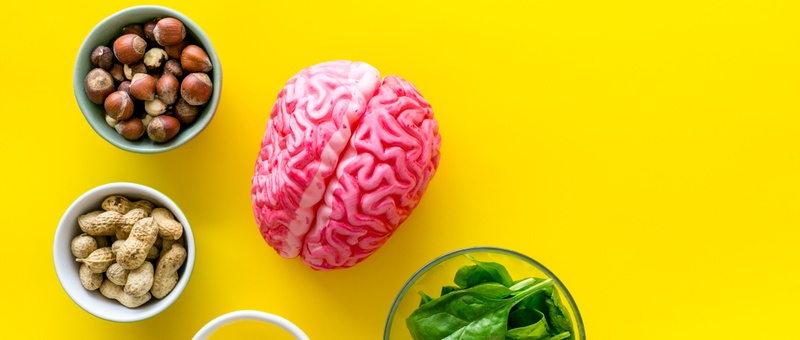
Brain food: what to eat, when to eat, recipes
Peer reviewed by Dr Colin Tidy, MRCGPLast updated by Victoria RawLast updated 20 May 2026
Meets Patient’s editorial guidelines
- DownloadDownload
- Share
- Language
- Discussion
- Audio Version
- Add to preferred sources on Google
A healthy diet is very important for your brain function and mental health. We find out the top foods for brain health, the best times to eat, and share some nutritious brain food recipes.
Your brain needs certain nutrients to work properly, which translates to better cognitive performance - helping you to think, learn, problem solve, remember things, and more. Eating the right foods for your brain - or 'brain food' - can also help protect it from deterioration.
How does food affect your brain?
Got an important test coming up? Huge project at work? Or just feel you need to think a bit clearer? Your diet can play a big part in this.
Dr Deborah Lee of Dr Fox Online Pharmacy explains which foods you should be eating to get the best out of your brain.
"Fresh foods contain high levels of health-giving antioxidants which protect the cells of your body from DNA damage," she says. "Known as oxidative stress, this is a major cause of many of the diseases we see today - heart disease, type 2 diabetes, cancer, depression, and dementia."
Dr Lee says obesity is also linked to poor brain health, with a lot of research linking having overweight or obesity to poor cognitive performance.
"Obesity is often linked to poor dietary habits, with excess consumption of high-fat and high-sugar foods, and often processed foods, which are high in salt and additives, also detrimental to brain function. It is a significant risk factor for dementia," she adds.
What is the MIND diet?
Dr Lee says that the best brain food diet to follow to ensure you're getting the right nutrients is the MIND diet - a combination of the Mediterranean diet and the dietary approaches to stop hypertension (DASH) diet.
"The MIND diet was developed after research studies showed that eating large quantities of vegetables was linked to a slower rate of cognitive decline," she explains. "The best effects were related to the highest consumption of green leafy vegetables and berries.
"Plant foods are rich in flavonoids - plant substances which have physiological and biochemical benefits for human health. They have antioxidant, anti-inflammatory and anticarcinogenic properties."
A 2015 study of more than 1,000 elderly people without dementia, who were asked to complete a dietary questionnaire over 10 years, found those with the highest intake of MIND foods had the slowest chance of cognitive decline and lowest likelihood of dementia.1
The MIND diet lists 10 healthy brain foods, including:
Green leafy vegetables.
Other vegetables.
Nuts.
Berries.
Beans.
Whole grains.
Seafood - oily fish.
Poultry.
Olive oil.
Dr Lee suggests you aim for three portions of whole grains a day, one portion of leafy green veg a day, two portions of any other veg a day, and two portions of berries per week.
She also suggests eating oily fish at least once a week and two portions of poultry per week. Nuts are also on the menu, with a recommended five portions a week.
When is the best time to eat?
While it's important to eat healthy as often as you can, the time you eat some of these brain foods can also play a role in how your brain functions.
"In the mornings, when you wake from sleep, this is a time for your brain to have an influx of nutrients - such as whole grains, berries, protein and caffeine," Dr Lee says.
It's bad news for the late night snackers. Dietary experts agree that eating late in the evening can contribute to obesity and poor sleep patterns. The advice is to avoid eating after 8pm.
"If you need to snack before bed, nuts can be a good choice," Dr Lee adds. "Walnuts contain magnesium and pistachios contain melatonin, both of which aid sleep. Natural yoghurt which contains probiotics - with fruit such as cherries that are high in melatonin - can also be a good suggestion."
What are the best foods for brain health?
Dr Lee and dietitian Helen Bond of the British Dietetic Association (BDA) have shared their top foods for brain function:
B vitamins - found in eggs, poultry, other meat, oily fish, fresh fruit, leafy green vegetables, wholegrain bread, and some fortified breakfast cereals.
Niacin - found in fish, poultry and eggs. If you're vegan look for nuts, seeds, and whole grains.
Vitamin C - found in berries, citrus fruits, green vegetables.
Magnesium - found in green leafy vegetables, nuts, whole grains.
Zinc - found in eggs, cheese, nuts, seeds and meat, poultry, and fish.
Iron - lean red meat, oily fish, green leafy vegetables, fortified cereals.
Omega 3 - rich in oily fish such as sardines, salmon, herring, and mackerel.
Vitamin K - found in green leafy vegetables, soy products, and eggs.
Bond reminds us that plenty of water is essential for brain function, as is good sleep and regular exercise.
"Our brains are made up of around 75% water, so it follows that drinking water is vital for healthy brain function and good mental health," she says. "Dehydration can affect cognitive performance and motor function including fatigue, mood, concentration, short-term and long-term memory, and attention."
Brain food recipes
While it can be hard to fit a healthy, balanced diet into busy schedules, there are some easy recipes to get those nutrients to your brain.
Breakfast
Orange and blueberry bircher - an overnight oat recipe with seeds and delicious fruit that takes five minutes to prepare.
Berry bircher - another overnight oat recipe perfect for busy mornings, this time packed with berries and banana.
Lunch
Sardines and watercress on toast - an easy lunchtime recipe using oily fish and wholegrain toast.
Tortellini with pesto and broccoli - an easy packed lunch with green veg and pine nuts.
Dinner
Salsa spaghetti with sardines - a quick and easy dinner, packed with oily fish, tomatoes, and olives, that's low in calories too.
One-pan salmon with asparagus - if you've got a bit more time this one pot recipe is packed with nutrients.
Patient picks for Brain health
Diet and nutrition
Can the MIND diet help keep our brains healthy?
What you eat can help keep your body and brain healthy. And whilst getting older is the biggest risk factor for dementia, research suggests up to 1 in 3 cases may be preventable with lifestyle changes. The MIND diet is touted for its brain-boosting benefits, but what does it include - and can it really help to protect our brains?
by Lynn Stephen
Heart health and blood vessels
DASH diet - healthy eating that helps lower blood pressure
The DASH diet is a heart-healthy diet that lowers blood pressure and cholesterol. Far from being specialist, this eating plan can benefit many people - whether you're looking to improve poor heart health, manage a related condition, or protect yourself against future health problems.
by Lynn Stephen
Frequently asked questions
What are flavonoids, and how do they benefit the brain?
Flavonoids are plant substances that offer physiological and biochemical benefits for human health. They possess antioxidant, anti-inflammatory, and anticarcinogenic properties, which are protective for the brain.
Why is avoiding eating after 8pm recommended for brain health?
Avoiding eating late in the evening is recommended because it can contribute to obesity and poor sleep patterns, both of which can negatively impact brain function.
Are there specific snacks that are good for the brain if I get hungry before bed?
Yes, if you need to snack before bed, nuts like walnuts (for magnesium) and pistachios (for melatonin) are good choices. Natural yoghurt with probiotics and fruits high in melatonin, such as cherries, can also be beneficial for aiding sleep.
Besides food, what other factors are crucial for optimal brain function?
In addition to a healthy diet, plenty of water, good sleep, and regular exercise are essential for optimal brain function. The brain is about 75% water, so staying hydrated is vital for cognitive performance and mental health.
What is oxidative stress and how does food help protect against it?
Oxidative stress is DNA damage to the body's cells, caused by harmful molecules. It's linked to several serious health conditions, including depression and dementia. Fresh foods, rich in health-giving antioxidants, help protect brain cells from this damage.
About the author

Andrea Downey
About the reviewerView full bio

Dr Colin Tidy, MRCGP
General Practitioner, Medical Author
MBBS, MRCGP, MRCP (Paediatrics), DCH
Dr Colin Tidy is an NHS Doctor, based in Oxfordshire.
Article history
The information on this page is peer reviewed by qualified clinicians.
Article also available in English, German, Spanish, French, Italian, Portuguese, Hindi, Hebrew, Arabic, and Swedish.
Next review due: 20 May 2029
20 May 2026 | Latest version
18 Oct 2022 | Originally published
Authored by:
Andrea Downey
Join the conversation
Share your thoughts or experiences with others in our patient communities.

Ask, share, connect.
Browse discussions, ask questions, and share experiences across hundreds of health topics.

Feeling unwell?
Assess your symptoms online for free
Sign up to the Patient newsletter
Your weekly dose of clear, trustworthy health advice - written to help you feel informed, confident and in control.
By subscribing you accept our Privacy Policy. You can unsubscribe at any time. We never sell your data.
More in brain and nerves
- 7 ways to help protect your brain from dementia
- Are new treatments for MS on the horizon?
- Can mental health problems and stress affect your memory?
- Can taking painkillers actually give you headaches?
- Causes of peripheral neuropathy: from diabetes to vaccines
- Common causes of shooting pain
- Early brain scans can predict MS prognosis
- How can dogs help support families with autistic children?
- How diet can reduce your risk of stroke and heart attack
- How to cope with isolation after a stroke
- How to explain autism to your child
- How to support a loved one after a stroke
- How to tackle eating problems in children with autism
- Is this the reason Alzheimer's is more common in women?
- Myths about MS you need to stop believing
- Regular exercise could slow Alzheimer's disease
- The best ways to relieve restless legs syndrome
- What you need to know about Bell's palsy
- Which therapies can ease Parkinson's disease symptoms?
- Why you might get a headache when you exercise