
How to support someone with dementia
Peer reviewed by Dr Krishna Vakharia, MRCGPAuthored by Lydia SmithOriginally published 8 Feb 2023
Meets Patient’s editorial guidelines
- DownloadDownload
- Share
- Language
- Discussion
- Audio Version
- Add to preferred sources on Google
Looking after a loved one with dementia can be very difficult and it can be hard to know how to support them. Often, caring for someone with dementia can lead to feelings of sadness, frustration, anger and guilt - but it can be rewarding to support them too. So what can you do to help someone with dementia while looking after yourself too?
Why can it be challenging to support a loved one with dementia?
Dementia isn't a disease itself, it's a term to describe a group of symptoms caused by various diseases that damage the brain. The symptoms vary, but can include memory loss, confusion, needing help with day-to-day tasks, problems speaking and understanding language, and changes in behaviour.
People with dementia may struggle to control their feelings too - and experience mood changes and irritability. These symptoms get worse over time.
For family members and friends, seeing someone experience these symptoms can be extremely difficult. It's often distressing to see a loved one with dementia become confused or upset - and it can be hard to know how to help or support them. It's also easy to become frustrated too, which can trigger feelings of guilt or loneliness.
Dr Rachel Daly, academy lead admiral nurse at Dementia UK, says dementia is a hidden condition which can lead to practical and emotional challenges for families.
"No matter what type of dementia a person has, it can be very distressing for the entire family to receive the diagnosis as it has life-changing consequences for the person, their family and friends," she says. "In addition, there is still a stigma associated with a dementia diagnosis in many cultures and this makes it hard for people to admit that they might be struggling."
How to support someone with dementia
Get support as a carer
You may not consider yourself a carer, especially if the person with dementia is a partner, parent or friend. However, both you and the person with dementia will need support to manage the symptoms.
It can be a good idea to register as a carer with your doctor or apply for a carer’s assessment, which assesses what help you might need to make your life easier. For example, help with food shopping. You may also be able to get benefits for carers, which can help with your finances if you are spending time looking after someone with dementia.
Think about their specific needs
The best way to support a person living with dementia is to provide tailored care for their needs, says Daly.
"Understanding their likes, dislikes and events that form their life, can be useful in creating a support plan that helps them to continue to feel secure and happy," she explains. "This will help you to know that you are meeting all their needs and will help you both to enjoy more quality time together."
This might mean finding ways to communicate that help you to ensure that they are safe, free of pain, not hungry, thirsty or in need of something specific, like the toilet or a nap. People with dementia may be more sensitive to noise, so creating a calm, quiet environment may help them.
Don't test them
Although it may be tempting to try and prompt someone with dementia to remember or understand things, it’s important to be gentle.
It is upsetting to see someone forget people or things that were once familiar, but trying to force them to remember - or testing them - may upset them. Asking someone to remember something can remind them of their condition, which can be painful for them. There’s also no evidence that this will help the person hold onto memories.
Talking about the past can be helpful, but frame it as a conversation that they can join if they want to. "It is helpful to not test them and ask them if they remember a person or an event," says Daly. "Instead, using pictures, smells, music or objects can help to remind them of events. However, if you notice that this is distressing for them it can be useful to try to distract them."
Get pets or children involved
Research has shown that interacting with therapy animals can help people with dementia as they can trigger positive feelings and memories1. Being around children can also bring joy to people with dementia too - and some nursing homes have schemes in which relatives can bring small children to meet residents2. However, it’s important to be vigilant and supervise any interactions to ensure both children and those with dementia are happy and safe.
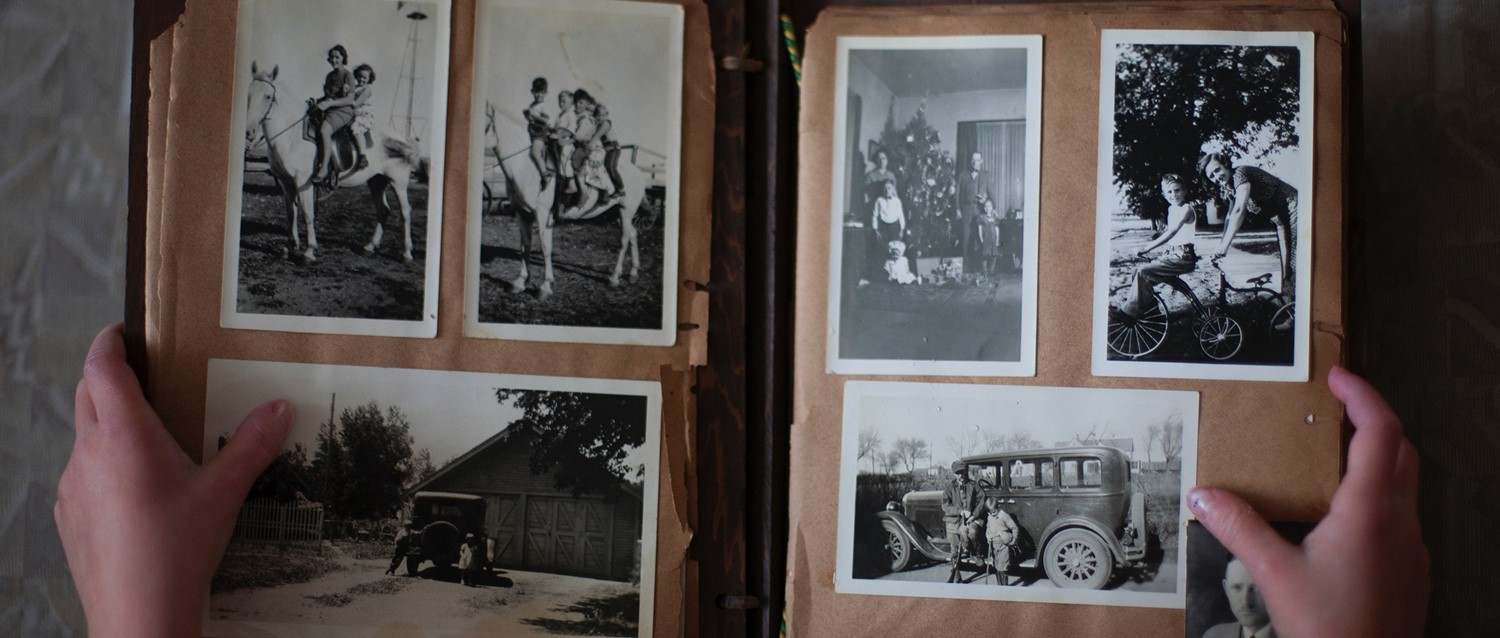
"Intergenerational work can also be fun and helpful for the entire family," says Daly. "Making pictures, playlists or photo albums together is a great way to enjoy each other's company."
Look after yourself too
One of the most important things to consider when caring for a loved one living with dementia is recognising that you may need help and support too.
"The anticipatory grief that accompanies a diagnosis of dementia means that you may be trying to process a range of feelings associated with losing your role, relationship and your loved one," says Daly.
If you need advice or support around dementia, you can visit dementiauk.org/get-support for information resources. There are also groups or online forums for carers which provide peer support, such as Carers UK forum or the Alzheimer's Society Dementia Talking Point online community.
It's important to take regular breaks from caring. Family and friends may be able to help, or you can access professional support via charities or your GP.
Further reading
Patient picks for Memory loss and dementia
Brain and nerves
How to reduce your risk of dementia
Dementia is a progressive condition affecting the way the brain works. It can cause poor memory, confusion about time and place, difficulties with speech, poor judgement, and inappropriate behaviour. There are a number of risk factors which make it more likely that an individual will develop dementia. Some are easier to do something about than others. This article aims to arm you with enough information to put up the best fight you can against developing this disease.
by Dr Laurence Knott

Brain and nerves
Blood test could predict Alzheimer's 20 years before symptoms
Researchers may be one step closer to developing a blood test for Alzheimer's disease which is 94% accurate in detecting early changes in the brain.
by Milly Evans
About the authorView full bio
Authored by

Lydia Smith
Feature writer
BA, MA, MSc
Lydia Smith is an award-winning journalist and feature writer who has written extensively on women's health and mental health. She is currently studying for an MSc in psychology.
About the reviewerView full bio

Dr Krishna Vakharia, MRCGP
Chief Medical Officer for Health, Optum UK
MBChB, MRCGP(2013), BMedSci (hons), DFSRH, DRCOG, PGDipDerm (Distn)
Dr Krishna Vakharia is an NHS GP. She is also a regular examiner for the postgraduate Diploma in Practical Dermatology at Cardiff University as well as being the Chief Medical Officer for health at Optum UK.
Article history
Article also available in English, German, Spanish, French, Italian, Portuguese, Hindi, Hebrew, Arabic, and Swedish.
8 Feb 2023 | Originally published
Authored by:
Lydia SmithPeer reviewed by
Dr Krishna Vakharia, MRCGP
Join the conversation
Share your thoughts or experiences with others in our patient communities.

Ask, share, connect.
Browse discussions, ask questions, and share experiences across hundreds of health topics.

Feeling unwell?
Assess your symptoms online for free
Sign up to the Patient newsletter
Your weekly dose of clear, trustworthy health advice - written to help you feel informed, confident and in control.
By subscribing you accept our Privacy Policy. You can unsubscribe at any time. We never sell your data.