
High blood pressure in mid-30s could shrink your brain
Peer reviewed by Milly EvansAuthored by Ashwin BhandariOriginally published 21 Aug 2019
Meets Patient’s editorial guidelines
- DownloadDownload
- Share
- Language
- Discussion
- Audio Version
- Add to preferred sources on Google
A rise in blood pressure between your 30s and 40s is linked to poorer brain health in later life, suggest researchers at University College London.
Sponsored
Patient recommends... Hilo
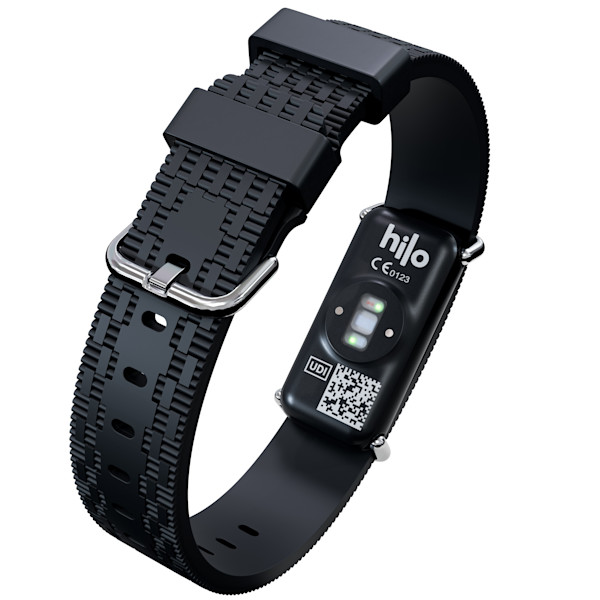
Track your blood pressure continuously, day and night - without an inflatable cuff. Traditional cuffs capture just one moment, if you remember to use them. Hilo takes about 25 readings a day, revealing how stress, meals, and activity affect your blood pressure so you can make informed choices for your wellbeing.
› Shop now
The team looked at lifelong data from 500 participants, who were all born in the same week in 1946, in order to assess dementia risk. They also looked at blood pressure measurements taken throughout the participants' lives.
Brain scans looked for levels of a key Alzheimer's protein called amyloid. Brain size and presence of blood vessel damage in the brain were also taken into account.
An increase in blood pressure between the ages of 36 and 43 was linked to a decreased brain volume. Rises in blood pressure between the ages of 43 and 53 were also linked to blood vessel damage or 'mini-strokes' in people over 70. However, blood pressure was not associated with the amount of amyloid protein in the brain.
Lead author Professor Jonathan M Schott, University College London, said: "We now know that damage caused by high blood pressure is unlikely to be driven through the hallmark Alzheimer's protein amyloid, but through changes in blood vessels and the brain's architecture. The findings show that blood pressure monitoring and interventions aimed at maximising brain health later in life needs to be targeted at least by early midlife.
"NHS health checks are currently offered from the age of 40, and the uptake is, at most, 50%. Our data suggests that blood pressure should be measured much earlier," he told the BBC.
Dr Carol Routledge, director of research at Alzheimer's Research UK, said: "High blood pressure in midlife is one of the strongest lifestyle risk factors for dementia, and one that is in our control to easily monitor and manage. Research is already suggesting that more aggressive treatment of high blood pressure in recent years could be improving the brain health of today's older generations.
Patient picks for Blood pressure

Heart health and blood vessels
The best exercise if you have high blood pressure
Exercise is a great way of managing high blood pressure (hypertension). If you’re physically active, you’re likely to have a stronger heart that pumps blood with less effort, decreasing the force on your arteries. In one study, sedentary older adults who started exercising saw their systolic blood pressure drop by an average of 3.9%.
by Abi Millar
Heart health and blood vessels
Blood pressure: understanding your readings
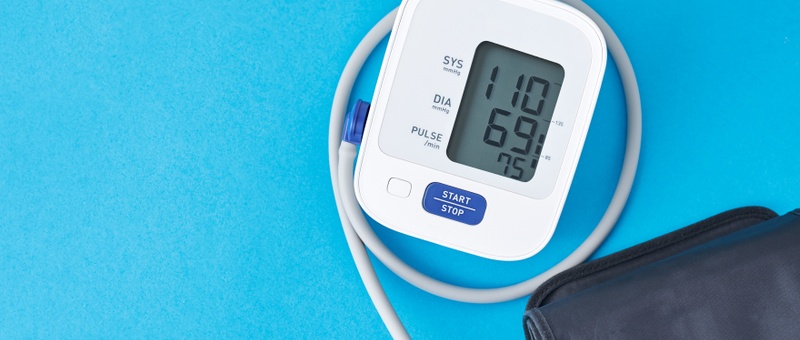
According to the British Heart Foundation (BHF), around 3 in 10 people in the UK have high blood pressure. High blood pressure often goes unnoticed, leaving 5 million adults in the UK unaware that they have it. Checking your blood pressure regularly and understanding your results is crucial for early diagnosis and treatment.
by Victoria Raw
Frequently asked questions
What is the key Alzheimer's protein mentioned, and what does it do?
The key Alzheimer's protein mentioned is called amyloid. The study looked at levels of this protein in brain scans of participants to assess dementia risk.
What kind of blood vessel damage or 'mini-strokes' were observed in the study?
The study found that rises in blood pressure between the ages of 43 and 53 were linked to blood vessel damage or 'mini-strokes' in people over 70. This indicates issues with the small blood vessels in the brain.
How did the researchers measure brain health in the study?
The researchers used brain scans to look for levels of the amyloid protein, assessed brain size, and checked for the presence of blood vessel damage in the brain of participants.
What does 'maximising brain health later in life' mean in the context of this study?
Maximising brain health later in life, according to this study, refers to implementing interventions like blood pressure monitoring starting at least by early midlife. This is because high blood pressure can cause changes in blood vessels and brain structure that impact brain health as people age.
What specific age ranges for blood pressure increases were linked to brain changes?
An increase in blood pressure between the ages of 36 and 43 was linked to a decreased brain volume. Rises in blood pressure between the ages of 43 and 53 were linked to blood vessel damage or 'mini-strokes' in people over 70.
About the authorView full bio
Authored by

Ashwin Bhandari
Medical Writer
BA Journalism
About the reviewerView full bio

Milly Evans
Editor
Milly writes on a range of health topics, with a particular interest in health inequality and sexual health.
Article history
Article also available in English, German, Spanish, French, Italian, Portuguese, Hindi, Hebrew, Arabic, and Swedish.
21 Aug 2019 | Originally published
Authored by:
Ashwin BhandariPeer reviewed by
Milly Evans
Join the conversation
Share your thoughts or experiences with others in our patient communities.

Ask, share, connect.
Browse discussions, ask questions, and share experiences across hundreds of health topics.

Feeling unwell?
Assess your symptoms online for free
Sign up to the Patient newsletter
Your weekly dose of clear, trustworthy health advice - written to help you feel informed, confident and in control.
By subscribing you accept our Privacy Policy. You can unsubscribe at any time. We never sell your data.