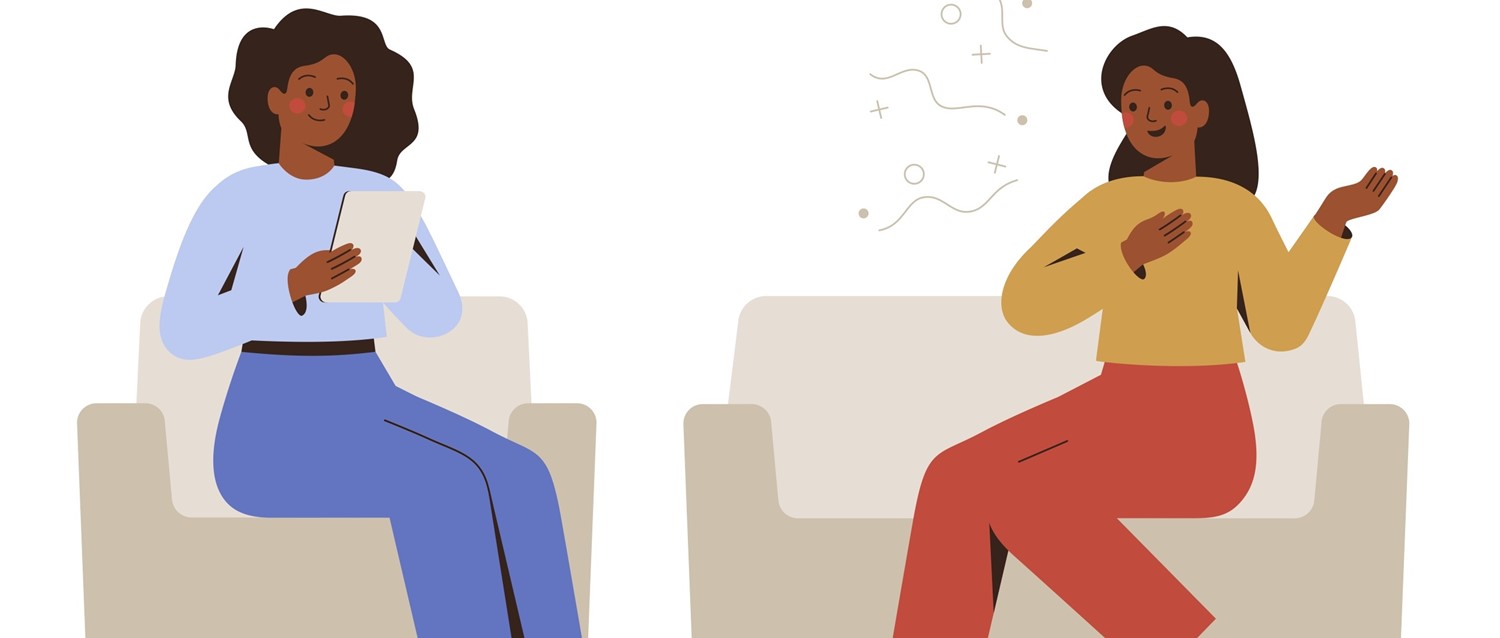
Puoi fare terapia se non hai un problema di salute mentale?
Revisione paritaria di Dr Sarah JarvisUltimo aggiornamento di Lydia SmithUltimo aggiornamento 1 Feb 2022
Rispetta le linee guida editoriali
- ScaricaScarica
- Condividi
- Language
- Discussione
- Versione audio
- Aggiungi alle fonti preferite su Google
There are many misconceptions about therapy, including that it's only for people who are struggling with a mental health problem. This is not necessarily the case. Therapy can be a great way to explore and understand the issues we navigate every day, including decisions to do with work, relationships or general life.

Why therapy isn't just for people with a mental health problem
Recently, the NHS launched its Help! campaign to encourage people to take better care of their mental health and promote talking therapies. Although more people are seeking professional help, many still avoid seeking support when it is needed.
There were 1.6 million referrals to talking therapies from 2018 to 2019 via the NHS Improved Access to Psychological Therapies (IAPT) programme, up 11.4% from 1.44 million in 2017 to 2018. The majority of these referrals were for people with ansia oppure depressione. However, an increasing number of people are accessing private therapy to help them navigate other challenges in their lives, such as their career or general lo stress.
Contrary to popular opinion, you don't need to have a diagnosed giornata di salute mentale problem to go to therapy. You also don't need to be going through a major life crisis to want to speak to someone about an issue that is on your mind.
"Many people believe therapy is specifically for those who have mental health problems. This is a misconception. Therapy can be an element of personal development as the process involves gaining insight, raising self-awareness and changing perspective," says Yuko Nippoda, psychotherapist and spokesperson for the Consiglio del Regno Unito per la Psicoterapia (UKCP).
"Everyone has their own patterns of thinking, feeling and behaviour. When they become aware of these patterns, they become much clearer about themselves and their relationship with the surrounding environment, including other people," she adds.
"They can then begin to explore whether they want to make changes. Terapia is a very good tool for self-development as it can help in the process of a person becoming who they want to be."
A problem shared
People may be most inclined to try therapy when they're in crisis or during a momento stressante life event, such as a lutto. However, there is no one definition of a 'stressful life event' - and we all have unique triggers. Therapists can help us make decisions regarding work, relationships and other common issues. It's also OK to start therapy just because you think you need a little extra help, even if you're not sure why.
Ultimately, there is no 'level' of low mood, anxiety or stress that is necessary for someone to want to try therapy. It's a common misunderstanding that you need to hit 'rock bottom' before getting help, but ricerche shows early intervention is crucial for preventing or reducing the severity of a mental health problem in the future.
It's important to speak to people you are close to if you are experiencing a problem or any kind of distress. Speaking to a trusted friend or relative can be enough and provide you with advice, reassurance or a different perspective on an issue. However, it's not always easy to talk to someone you know intimately - and speaking to a therapist can be easier.
Talking to a terapeuta gives you an opportunity to open up to someone in a safe and confidential environment. While talking to a trusted friend can help, there are times when friends may be distracted or might be very opinionated about what you should do. Therapists, on the other hand, will not judge and are impartial.
There are many different types of therapy and therapists work in a variety of ways. For example, person-centred therapists may take a step back and allow you to speak freely and lead the session. Whatever their approach, a therapist can provide an ear when you need to think through an issue, which can help you feel less overwhelmed and help you in the long term.
Therapy as prevention
Therapy can be very helpful for people with ansia, depressione or other mental health problems. However, it can also be used as a preventative form of healthcare. Talking through an issue, no matter how insignificant it may feel, can help people before they reach a crisis point. This can help ensure they are better equipped to cope with adversity.
"By talking to a therapist, people can have a better understanding of themselves," explains Nippoda. "They will learn things they were not previously aware of, and they will become more conscious of things that were unconscious. In therapy, people can feel accepted by the therapist during the sessions. This makes it easier for them to accept themselves, which is a vital aspect of their growth as a human being.
"Many mental health issues relate to self-blame, so self-acceptance is supportive in people who have a tendency to self-blame," she adds. "By having terapia, people can learn how to equip themselves with tools to help them cope when difficulties arise in life. Therefore, therapy is a preventative measure for mental health."
Tackling stigma around therapy
There has been a huge increase in mental health awareness, in part due to online campaigns and more people discussing psychological well-being on dei social media. Despite this, there is still a stigma attached to mental illness that prevents people from pursuing mental health support and treatment. In fact, stigma is one of the key reasons people delay seeking treatment.
Often, people believe they should be able to handle any issues themselves or work harder to simply 'snap out' of feeling low or stressed. They may worry about being judged by friends, family or colleagues for accessing therapy.
"The idea that terapia or counselling is only for those with mental health issues is common, and the related stigma may put people off seeking help," says Nippoda. "Therapists should make an effort to raise awareness about what therapy is by making it clear that therapy is not only for people with mental health problems, but that it has a wider and richer purpose for individuals."
If you are struggling with a problem such as anxiety or depression, it's important to speak to your GP. You can also autosegnalarti for NHS talking therapy.
Scelte del paziente per Terapia della salute mentale

Trattamenti e farmaci
Come scegliere un terapista
La terapia parlata sta diventando sempre più popolare. Ci stiamo sentendo più a nostro agio nel riconoscere che vediamo uno psicologo o un consulente e sempre più persone cercano supporto per la loro salute mentale. Se vuoi fare il primo passo per trovare una terapia parlata, dove dovresti iniziare a cercare?
di Milly Evans

Trattamenti e farmaci
Guarigione non convenzionale: l'ascesa delle terapie alternative
Alternative wellness therapies - often called complementary, mind-body or holistic therapies - are on the rise. Some people are exploring these treatments as potential alternatives for tried and tested mental health treatments such as cognitive behavioural therapy (CBT). We look at the most popular ones and see what the experts think.
di Victoria Raw
Informazioni sull'autoreVisualizza il profilo completo

Lydia Smith
Scrittore di articoli
BA, MA, MSc
Lydia Smith è una giornalista pluripremiata e scrittrice di articoli che ha scritto ampiamente sulla salute delle donne e sulla salute mentale. Attualmente sta studiando per un MSc in psicologia.
Informazioni sul recensoreVisualizza il profilo completo

Dr Sarah Jarvis
Consulente Clinico
MA (Cantab), BM, BCh (Oxon), DRCOG, FRCGP, MBE
Dopo aver completato la formazione in medicina a Cambridge e Oxford, la Dott.ssa Sarah Jarvis MBE è diventata un medico di base.
Storia dell'articolo
Le informazioni su questa pagina sono revisionate da clinici qualificati.
Articolo disponibile anche in Inglese, Tedesco, Spagnolo, Francese, Italiano, Portoghese, Hindi, Ebraico, Arabo, and Svedese.
1 Feb 2022 | Ultima versione
1 Feb 2022 | Pubblicato originariamente

Chiedi, condividi, connettiti.
Esplora le discussioni, fai domande e condividi esperienze su centinaia di argomenti di salute.

Non ti senti bene?
Valuta i tuoi sintomi online gratuitamente
Iscriviti alla newsletter di Patient
La tua dose settimanale di consigli sulla salute chiari e affidabili - scritti per aiutarti a sentirti informato, sicuro e in controllo.
Abbonandoti accetti i nostri Informativa sulla Privacy. Puoi annullare l'iscrizione in qualsiasi momento. Non vendiamo mai i tuoi dati.
Più su trattamento e farmaci
- La ipnoterapia può aiutare l'insonnia?
- CBT per l'insonnia: come funziona?
- Non preoccuparti: 5 benefici per la salute della sauna sotto i riflettori
- Come i servizi di salute mentale a distanza hanno aiutato la comunità LGBTQ+
- Quanto è sicuro il dermaplaning?
- Come decidere tra diversi tipi di terapia
- Fare un massaggio è un sostituto della fisioterapia?
- È sicuro assumere antidolorifici oppioidi?
- LGBTQI+: quali sono le barriere e le sfide nell'assistenza alla fine della vita?
- Iniezioni per la perdita di peso Mounjaro: Domande frequenti
- La chirurgia con rete vaginale dovrebbe essere vietata?
- Dovresti somministrare antidolorifici ai bambini?
- What age can you get lip fillers and Botox in the UK?
- Cosa succede quando i farmaci interagiscono
- Quali danni può causare la terapia di conversione e perché non è vietata?
- Che cos'è la chirurgia della sleeve gastrica?
- Com'è avere una vasectomia
- Quando dovresti smettere di prendere gli antidepressivi?
- Prendere antidepressivi porta davvero ad aumentare di peso?