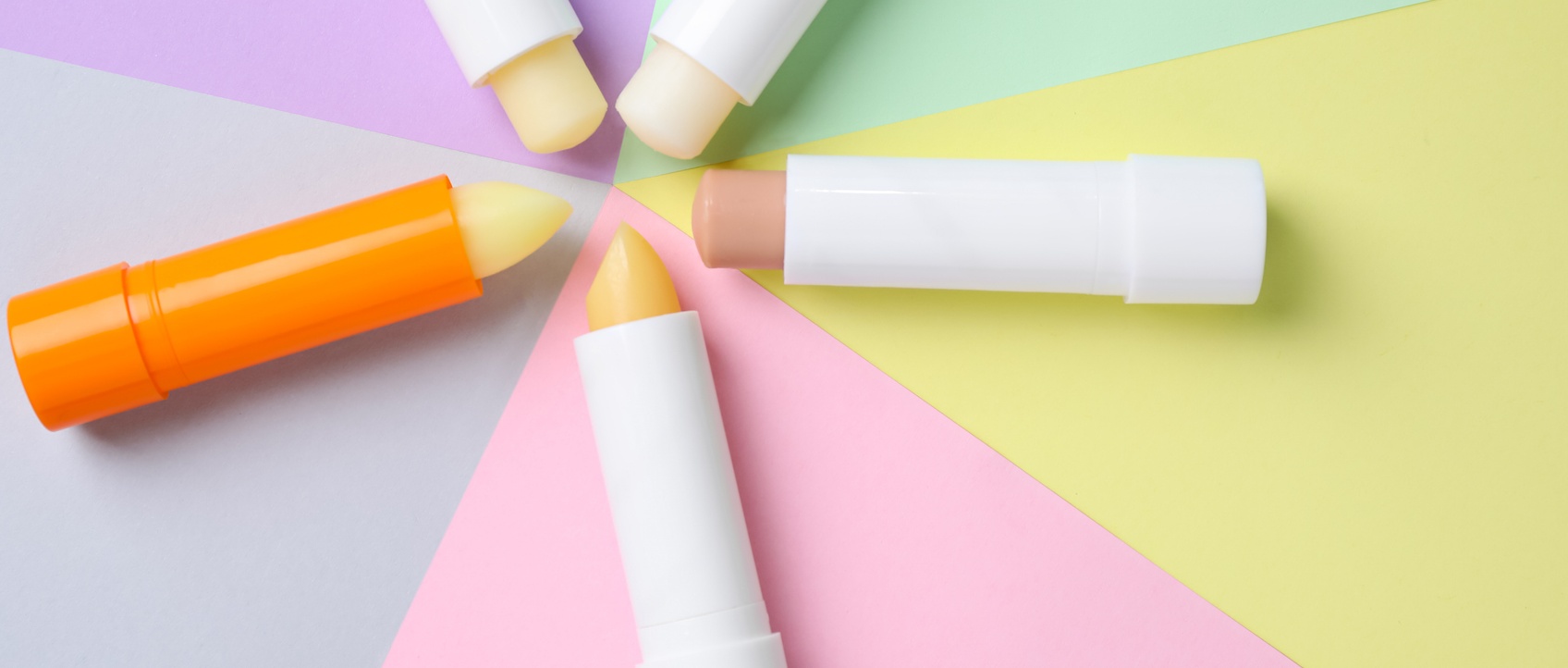
Come prendersi cura delle labbra screpolate questo inverno
Revisione paritaria di Dr Colin Tidy, MRCGPUltimo aggiornamento di Victoria RawUltimo aggiornamento 16 Ott 2025
Rispetta le linee guida editoriali
- ScaricaScarica
- Condividi
- Language
- Discussione
- Versione audio
- Aggiungi alle fonti preferite su Google
I mesi invernali possono danneggiare le nostre labbra, lasciandole secche, screpolate e doloranti. Quindi, perché questo periodo dell'anno causa labbra screpolate - e c'è qualcosa che possiamo fare per prevenirle?
Why do we get chapped lips?
The skin on our lips has three to five cellular layers, compared to typical facial skin, which has up to 16 layers. The lips also lack the oil glands found in other parts of the skin. Therefore, as the weather gets colder and there is less humidity, the outdoor air combined with the indoor central heating can dehydrate our skin and cause lips to crack, peel and bleed - a condition known as cheilitis simplex.
Dermatologist Dr Anton Alexandroff explains: "Cold and windy climi freddi can have negative effects on our skin. The winter weather can strip it of moisture, causing the skin to become dry, chapped and prone to flaking.
"Our lips are particularly vulnerable to this, as they are so often exposed to the elements. The skin is also thinner here, than on other parts of our body."
What else can cause chapped lips in winter?
The weather isn't always the cause of sore lips, however. Daniel Glass, Consultant Dermatologist, The Dermatology Clinic, London says that chapped lips can be caused by a number of factors - such as eczema oppure dermatite allergica da contatto.
"Sometimes infections such as candida or staphylococcus can cause inflammation of the corner of the lips - as can ferro oppure vitamin B deficiency," he explains. "The initial infection with the herpes or virus dell'herpes labiale can result in eroded, scaly skin on the lips."
Malattia celiaca can also lead to inflammation of the corners of the mouth, which can be mistaken for chapping. Certain drugs can cause dry chapped lips - most commonly retinoids, such as isotretinoin used in acne treatment. If you already struggle with dry lips, cold and wintry weather can make the issue worse.
How to treat chapped lips
Dr Alexandroff says you should moisturise your lips regularly, reapplying throughout the day and before bed.
He adds: "It's also important to make sure that you stay hydrated by drinking plenty of water."
Dry lips can also be helped by gentle exfoliation to ensure you are removing any dry flaky skin from the surface of your lips. Although this won't address the problem, it may help to reduce the scale sitting on the surface of the lips.
Small lifestyle changes may also reduce your chance of developing chapped lips:
Wash your hands before applying lip balm.
Resist the urge to pick or bite any flaky skin - doing so can slow down the healing process.
Avoid licking dry or cracked lips - this can make them more sore.
Bear in mind that some foods may irritate sore lips - such as spicy meals.
Wear a scarf over your mouth to protect the delicate skin on your lips - if going out into the wind and cold.
If you forget your balm while out with friends, don't share theirs - as tempting as it might be, this can spread germs.
Check the ingredients in your lip balm
Although many of us tend to have a range of different lip balms stashed away in our coat pockets, bags, and bedside tables, it's important to make sure you are using the right balm to avoid making your lips more sore.
Dr Daron Seukeran, Group Medical Director for the skincare clinic group sk:n explains: "There can be ingredients in some lip balms that may cause eczematous dermatite which can affect the lips and the skin surrounding the lips."
Some lip balms contain ingredients that can potentially cause an allergic reaction.
Questi includono:
Propolis.
Lanolin.
Coconut oil.
Almond oil.
Olio di menta piperita.
Vitamin E.
These ingredients can also make the lips drier:
Menthol phenol.
Acido salicilico.
To combat dry lips, look out for ingredients to help lock in moisture:
Occlusive.
Emollient.
Humectant.
"The best advice is to keep it simple," says Seukeran. "Many people like using a nice smelling or tasting lip balm, but it is best to use a non-fragranced lip balm as a moisturiser which also contains a sun protection ingredient."
Professor Vishal Madan, Clinical Director, Everything Skin Clinic, UK says bland emollients such as Vaseline can be good, as the likelihood of allergies with these are rare. He also advises looking out for hypoallergenic balms.
"The most important thing when purchasing a lip balm is to make sure that it works for you," he says. "If your lips burn, sting, or feel uncomfortable when you apply a product to your lips, it is irritating your lips. If this is the case, you should stop using this product and try another one."
When to visit your doctor or pharmacist for chapped lips
You should seek medical help if your lips are hot, painful, red and swollen - as it could be a sign of infection. If the chapping is very severe or doesn't heal, it may be a sign of another issue, so it's worth having it checked by a doctor or skin specialist.
If you have a small, fluid-filled blister on your lip or around your mouth, you may have a herpes labiale. Cold sores should start to heal within 10 days, but are contagious and may be irritating or painful while they heal. Antiviral creams and patches are available from your pharmacist.
Scelte del paziente per Oral health

Trattamenti e farmaci
Gli esercizi facciali sono benefici per il sonno, la parola e la salute orale?
La terapia miofunzionale è come un allenamento per il viso e la bocca. Si dice che possa aiutare ad alleviare condizioni come l'apnea del sonno, difficoltà di deglutizione e disallineamento della mascella. Esaminiamo cosa comporta questa terapia e ascoltiamo alcuni pareri di esperti su se funzioni o meno.
di Victoria Raw
Cura orale e dentale
Cosa dicono i tuoi denti sulla tua salute
La maggior parte di noi conosce l'importanza di prendersi cura dei propri denti. Lavarsi i denti due volte al giorno, usare il filo interdentale e mantenere una buona igiene dentale possono aiutare a mantenere il nostro sorriso fresco, con poca necessità di costosi interventi dentistici. Ma sapevi che i problemi dentali possono anche indicare problemi nel resto del corpo?
di Lynn Stephen
Informazioni sull'autoreVisualizza il profilo completo

Lydia Smith
Scrittore di articoli
BA, MA, MSc
Lydia Smith è una giornalista pluripremiata e scrittrice di articoli che ha scritto ampiamente sulla salute delle donne e sulla salute mentale. Attualmente sta studiando per un MSc in psicologia.
Informazioni sul recensoreVisualizza il profilo completo

Dr Colin Tidy, MRCGP
Medico di base, Autore medico
MBBS, MRCGP, MRCP (Paediatrics), DCH
Il Dr Colin Tidy è un medico del NHS, con sede nell'Oxfordshire.
Storia dell'articolo
Le informazioni su questa pagina sono revisionate da clinici qualificati.
Articolo disponibile anche in Inglese, Tedesco, Spagnolo, Francese, Italiano, Portoghese, Hindi, Ebraico, Arabo, and Svedese.
Prossima revisione prevista: 15 Ott 2028
16 Ott 2025 | Ultima versione
18 Dic 2023 | Pubblicato originariamente
Autore:
Lydia Smith

Chiedi, condividi, connettiti.
Esplora le discussioni, fai domande e condividi esperienze su centinaia di argomenti di salute.

Non ti senti bene?
Valuta i tuoi sintomi online gratuitamente
Iscriviti alla newsletter di Patient
La tua dose settimanale di consigli sulla salute chiari e affidabili - scritti per aiutarti a sentirti informato, sicuro e in controllo.
Abbonandoti accetti i nostri Informativa sulla Privacy. Puoi annullare l'iscrizione in qualsiasi momento. Non vendiamo mai i tuoi dati.
Più in cura orale e dentale
- Il freddo può scatenare l'herpes labiale?
- Disuguaglianza dentale: cos'è e perché esiste?
- Come spazzolare e prendersi cura dei denti di tuo figlio
- Come proteggere i denti di tuo figlio
- AggiornatoCome riconoscere i segni del cancro alla bocca
- Come i tuoi denti possono influenzare la tua autostima
- Lo sbiancamento dei denti è sicuro?
- La tua bocca ti sta facendo ammalare? Come la malattia gengivale influisce su più che solo i tuoi denti
- Dovresti pulire la lingua ogni giorno?
- Fatti sorprendenti che tutti dovrebbero conoscere sull'herpes labiale
- Gli spuntini migliori per denti sani
- Il motivo per cui le tue gengive sanguinano
- Le cause del tuo alito cattivo
- La guida definitiva al filo interdentale
- Cose che potresti non sapere sulla displasia cleidocranica
- Segnali di avvertimento che devi andare dal dentista
- Cosa causa un nodulo sulla lingua?
- Cosa causa le ulcere della bocca e come trattarle
- Cos'è un sorriso da prosecco? consigli per proteggere i tuoi denti questo Natale
- Cosa fare quando senti che sta arrivando un herpes labiale