
Shock anafilattico: sintomi, cause scatenanti e cosa fare
Revisione paritaria di Dr Krishna Vakharia, MRCGPAutore Amberley DavisPubblicato originariamente 19 Jun 2022
Rispetta le linee guida editoriali
- ScaricaScarica
- Condividi
- Language
- Discussione
- Versione audio
- Aggiungi alle fonti preferite su Google
Fino a 1 persona su 5 con allergie vive nella paura della morte a causa di un possibile shock anafilattico - una reazione allergica grave e spesso improvvisa che richiede attenzione medica d'emergenza. Fortunatamente, i decessi sono rari, ma se tu o una persona cara avete un'allergia grave, è importante conoscere i segnali di avvertimento e cosa fare.
What is anaphylactic shock?
Anaphylactic shock - also known as anaphylaxis - is a severe allergic reaction that often comes on very suddenly and without warning.
According to Anaphylaxis UK1, the reaction "usually begins within minutes and rapidly progresses, but in some cases it can also occur up to 2-3 hours later". The UK charity warns that anaphylaxis is "potentially life-threatening, and always requires an immediate emergency response".
It's important to note that not all allergic reactions are considered to be anaphylaxis. Many people with allergies will never experience a reaction this extreme.
Nonetheless, the possibility of anaphylactic shock can be a great source of lo stress and anxiety in people's lives. For example, approximately 41% of parents who have children with diagnosed allergie alimentari are thought to have higher stress levels2.
What are the symptoms of anaphylactic shock?
If you or someone you are with starts having an allergic reaction, look out for the 'ABC symptoms' (Airway, Breathing, Consciousness/Circulation) of an anaphylactic shock3.
Anaphylaxis UK ABC symptoms
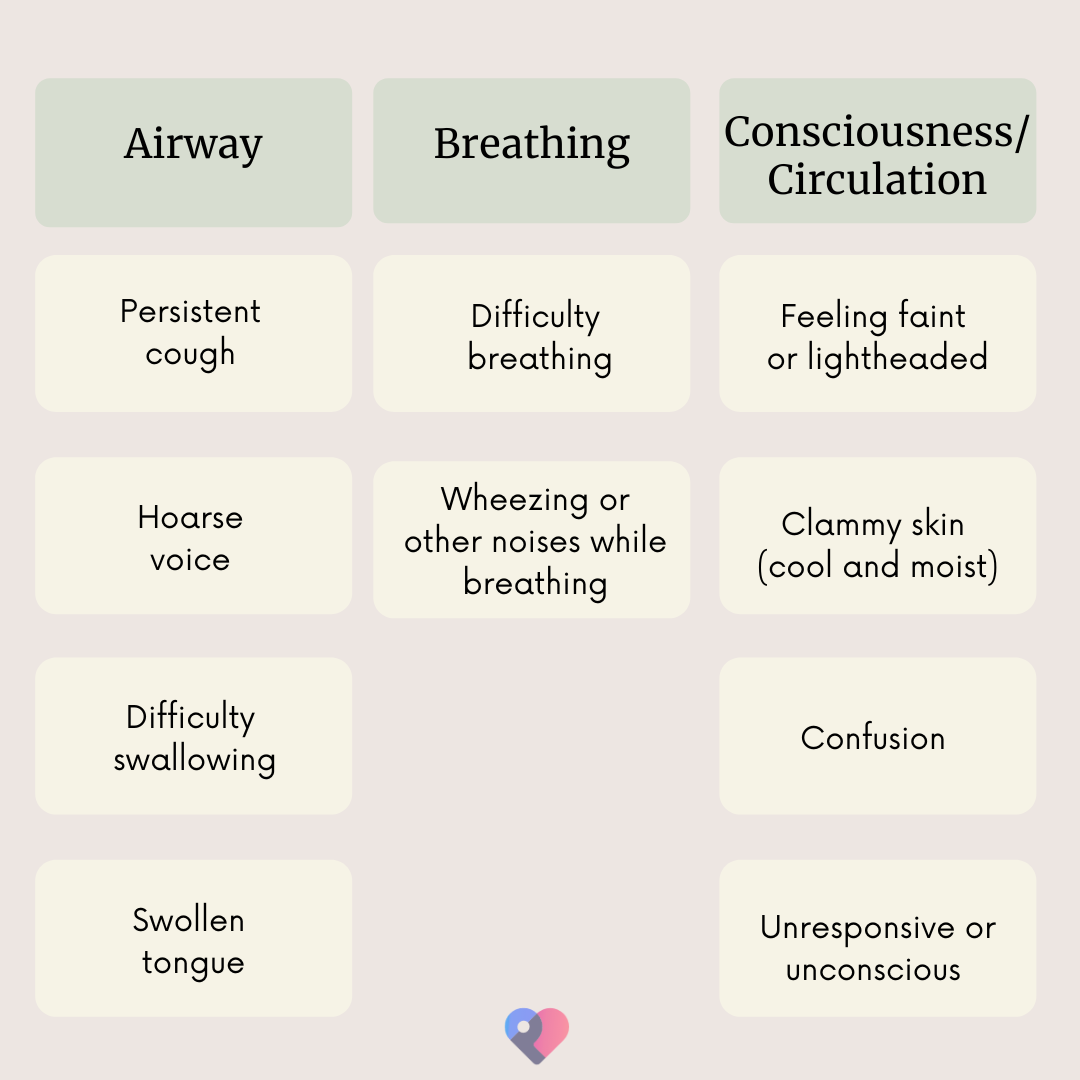
These symptoms of anaphylaxis can rapidly become worse as a person's blood pressure drops.
Can anaphylactic shock kill you?
This is a life-threatening allergic reaction sometimes resulting in death. Fortunately, this outcome is rare - occurring in just one in a thousand of all cases4. In the UK, this roughly translates to around 20 deaths per year.
Deaths are more likely to occur if adrenaline auto-injectors (AAIs),often known as 'epi-pens', aren't administered in time. This happens more often when people don't carry this prescribed emergency treatment device with them when outside the house.
What causes anaphylactic shock?
An anaphylactic shock may be triggered when you are exposed to something that you are allergic to (known as an allergen). During an allergic reaction, your immune system attacks this allergen as if it were a harmful substance.
Allergic reactions can range from very mild to severe, and an anaphylactic reaction falls into the latter category. Here, the immune system's overreaction disrupts essential bodily functions which cause symptoms such as difficoltà a respirare, a swollen tongue, and feeling faint.
The 'shock' part of anaphylactic shock refers to the drop in blood pressure, which reduces the amount of blood delivered to the major organs. This happens when blood vessels leak fluid from the blood into surrounding tissues.
In around 20% of cases, no allergen trigger is identified (called idiopathic anaphylaxis)4. Currently, it's thought that many such reactions will be caused by 'hidden' food allergens that are hard to identify. If you experience idiopathic anaphylaxis, you may be referred to an allergy clinic where a specialist can try various allergy tests to shed light on which ingredients in your diet are the culprits.
What are the most common triggers for anaphylactic shock?
According to Anaphylaxis UK: "Anything can be an allergen, but the most common allergens that may trigger anaphylaxis are food, droghe, insects, o latex."
Food - the 14 major food allergens are noci, glutine (a protein found in wheat)5, sulphites/sulphur dioxide (used as preservatives in a wide range of foods), celery, crustacean, egg, fish, lupin beans, latte, mustard, mollusc, sesame, and soya.
Farmaci - while they tend to be safe for most people, certain medicinal drugs may cause allergic reactions. Common examples include antibiotici (such as penicillin) and antidolorifici (such aspirin, morphine, and codeine).
An insect sting or bite - some people are highly allergic to the venom injected through some insect bites and stings - for example, wasp or bee stings.
Latex - certain people are allergic to proteins found in latex, a material made from the rubber tree. Products made from latex include balloons, gloves, and condoms.
How to stop anaphylactic shock
1. Administer adrenaline auto-injector
If you believe someone you are with is experiencing anaphylactic shock, the first thing you should do is check if they are carrying an adrenaline auto-injector. If they have been diagnosed as at risk for anaphylaxis, then their doctor will have prescribed this injection device and instructed them to keep it with them at all times6.
The AAI is loaded with adrenaline (sometimes called epinephrine). A shot of this hormone can quickly open up the airways, reduce swelling, and raise blood pressure. The three main AAIs available in the UK are EpiPen, Jext, and Emerade, and all should be injected into the middle of the outer thigh (upper leg). This can be done through clothing if necessary7.
Figura 1
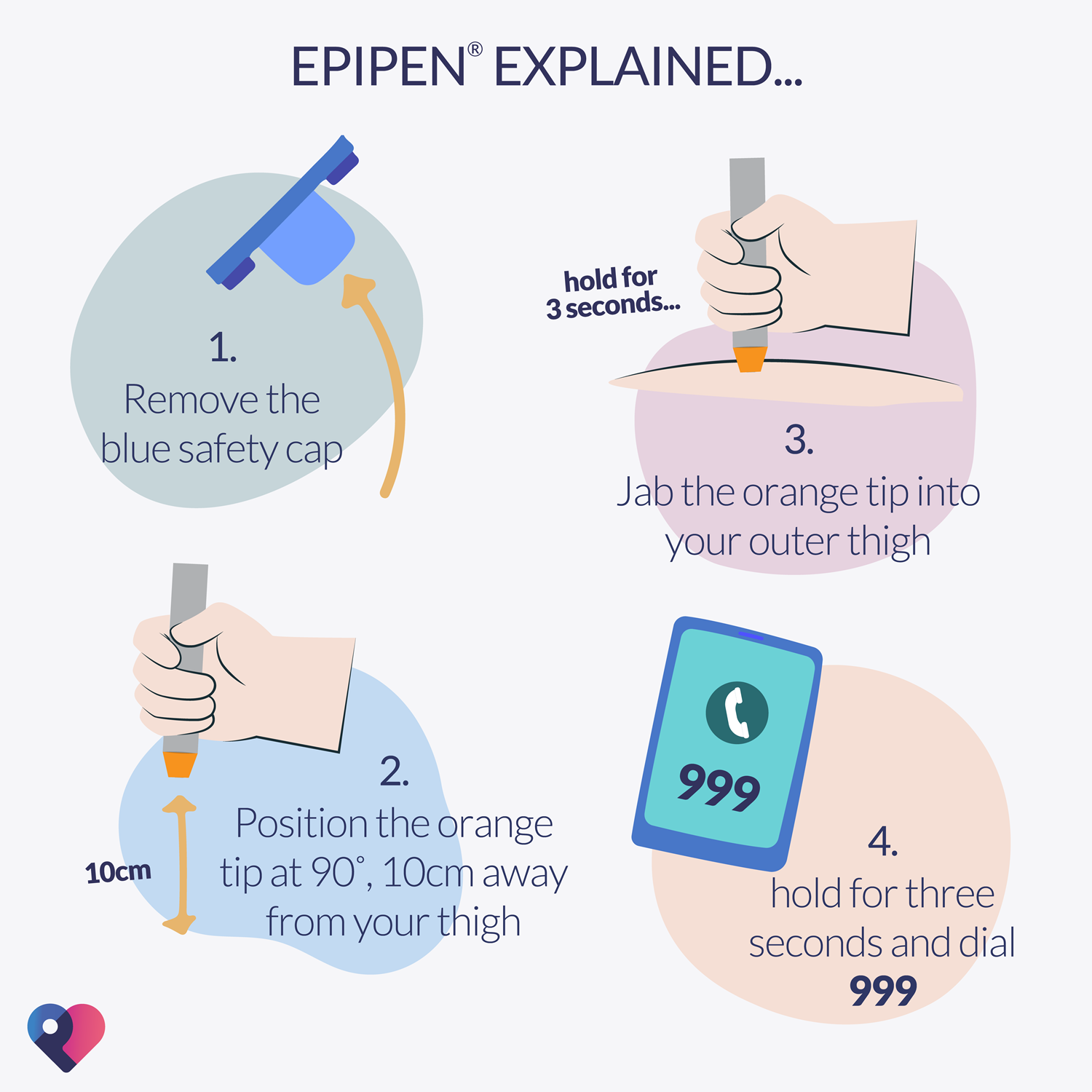
Use this device as soon as you can - the quicker it's administered, the more effective it can be. If you yourself have been prescribed an AAI, Anaphylaxis UK strongly recommends ordering a trainer device so that you can practise using it. Your doctor will provide training for you and for people who may be required to give you an injection - such as close family or school staff.
2. Call emergency services
Anaphylactic shock is potentially life-threatening, and you must call 999 (if in the UK) and request an ambulance as soon as possible. Hospital treatments depend on the severity of the reaction. They include adrenaline injection, resuscitation, and allergy medicines (such as antistaminici e steroidi).
How to prevent anaphylactic shock
Once you've identified the cause of your allergy, you may be able to prevent anaphylaxis by avoiding triggers. This means:
Checking labels and ingredients on food and drinks packets as well as products such as shampoo and toothpaste, even for trace amounts of the allergen.
Informing restaurant staff of your allergies and their severity.
Using insect repellent.
Moving calmly away from insects you're allergic to in order to prevent being stung.
Not walking around barefoot.
Being careful when drinking out of cans - insects are attracted to sugar and may crawl inside and sting you when you take a sip.
If you're allergic to certain medicines, there are usually alternatives a doctor can prescribe instead.
Ulteriori letture
Scelte del paziente per Allergie

Allergie, sangue e sistema immunitario
Qual è la differenza tra un effetto collaterale e un'allergia ai farmaci?
Molti dei miei pazienti si confondono tra effetti collaterali o intolleranza e allergia. Gli effetti collaterali possono attenuarsi col tempo e ci possono essere passi che puoi intraprendere per ridurre la possibilità di averli. Ma se hai una reazione allergica, devi interrompere il medicinale e non prenderlo di nuovo.
di Victoria Raw

Allergie, sangue e sistema immunitario
I test allergici privati valgono la pena?
Allergies and intolerances are on the rise, particularly towards foodstuffs. Over four in ten adults in the UK are affected. But if you suspect you have an allergy or intolerance, how can you go about finding out what the culprit is? Unfortunately the NHS offers a limited number of allergy tests. Tests can be obtained privately but an internet search for 'allergy test' will yield over one million results, many which lead to quite expensive options. But are any of these worth pursuing? We take a look at the evidence.
di Dr Gurvinder Rull, MBBS
Informazioni sull'autoreVisualizza il profilo completo

Amberley Davis
Scrittore senior
BA (Hons), CPD
Amberley è una scrittrice senior presso Patient e ha scritto ampiamente su una gamma di argomenti relativi alla salute e al benessere.
Informazioni sul recensoreVisualizza il profilo completo

Dr Krishna Vakharia, MRCGP
Direttore Sanitario per la Salute, Optum UK
MBChB, MRCGP(2013), BMedSci (hons), DFSRH, DRCOG, PGDipDerm (Distn)
La Dott.ssa Krishna Vakharia è un medico di base del NHS. È anche un'esaminatrice regolare per il Diploma post-laurea in Dermatologia Pratica presso l'Università di Cardiff, oltre ad essere il Direttore Medico per la salute presso Optum UK.
Storia dell'articolo
Le informazioni su questa pagina sono revisionate da clinici qualificati.
Articolo disponibile anche in Inglese, Tedesco, Spagnolo, Francese, Italiano, Portoghese, Hindi, Ebraico, Arabo, and Svedese.
19 Jun 2022 | Pubblicato originariamente
Autore:
Amberley DavisRevisione paritaria di
Dr Krishna Vakharia, MRCGP

Chiedi, condividi, connettiti.
Esplora le discussioni, fai domande e condividi esperienze su centinaia di argomenti di salute.

Non ti senti bene?
Valuta i tuoi sintomi online gratuitamente
Iscriviti alla newsletter di Patient
La tua dose settimanale di consigli sulla salute chiari e affidabili - scritti per aiutarti a sentirti informato, sicuro e in controllo.
Abbonandoti accetti i nostri Informativa sulla Privacy. Puoi annullare l'iscrizione in qualsiasi momento. Non vendiamo mai i tuoi dati.
Di più su allergie, sangue e sistema immunitario
- Orticaria acquagenica: vivere con un'allergia all'acqua
- I trattamenti per la febbre da fieno sono tutti uguali?
- Le tue decorazioni natalizie stanno scatenando le tue allergie?
- I test del sangue possono aiutare a gestire la menopausa e la TOS?
- Controlla i livelli di polline nella tua zona
- Potresti avere un'allergia alle solanacee?
- Allergia al latte vaccino nei neonati: Cos'è la scala del latte?
- Come affrontare un'allergia alle noci a Natale
- Come superare la paura degli esami del sangue
- La febbre da fieno è collegata alla depressione?
- Nuovo esame del sangue potrebbe rilevare il cancro alla prostata aggressivo
- Test del sangue personalizzato rileva il ritorno del cancro al seno
- Segni di carenza di vitamina B12 che devi conoscere
- Cosa puoi mangiare se sei intollerante al lattosio?
- Che cos'è l'intolleranza all'alcol e quali sono i suoi sintomi?
- Qual è il miglior trattamento per la febbre da fieno nei bambini?
- Cosa devi sapere sulle reazioni allergiche
- Qual è la differenza tra un effetto collaterale e un'allergia ai farmaci?
- Quando è la stagione della febbre da fieno nel Regno Unito - e come puoi evitare i sintomi?
- Perché alcune persone sviluppano improvvisamente la febbre da fieno?