
How can you tell if you have a latex allergy?
Peer reviewed by Dr Krishna Vakharia, MRCGPAuthored by Emily Jane BashforthOriginally published 15 Jun 2022
Meets Patient’s editorial guidelines
- DownloadDownload
- Share
- Language
- Discussion
- Audio Version
- Add to preferred sources on Google
While you've probably heard of people being allergic to latex, you might be unsure of how a latex allergy presents itself, or perhaps you suspect you have one yourself. How do you know if you have a latex allergy and whether it can be treated?
What is latex allergy?
Latex allergy was first recognised 50 years ago. It occurs when a person develops allergic symptoms due to coming into contact with natural rubber latex (NRL). This is found in the sap of the rubber tree (Hevea brasiliensis) and is used to make a range of rubber products.
Hundreds of different allergens have been documented in natural rubber latex. Many other chemicals, added in the rubber manufacturing process, are also common allergens such as antioxidants, and various substances.
Natural rubber latex is found in many medical products in common use, such as:
Medical gloves.
Rubber tubes.
Tourniquets (used when taking blood).
Catheters.
It is also found in:
Drinking straws.
Balloons.
Elastic.
Aerosols.
Condoms.
Many other everyday household items.
Dr Deborah Lee of Dr Fox Online Pharmacy explains that when an allergic person comes into contact with any of these allergens, an immune reaction occurs. This leads to symptoms (see below) that can range from mild to severe depending on the person.
"Latex allergens can also be inhaled. For example, latex particles can be absorbed by corn starch, which is often added to rubber gloves, so when the pack is opened, the latex aerosol is released into the air" says Dr Fox.
What are the symptoms of latex allergy?
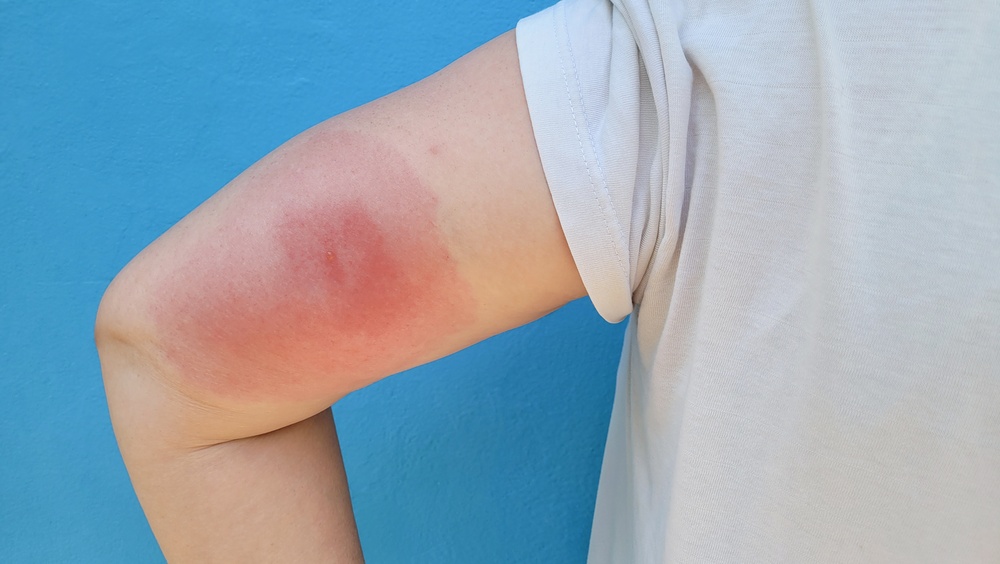
Latex allergies can present themselves in different ways. In very mild cases of latex allergy, a little skin irritation may occur.
This irritation is caused by histamine, which stimulates inflammation by causing blood vessels to dilate and increase the blood flow to the area. The tissue swells, and becomes red and hot, leading to an itchy rash (contact dermatitis).
However, in more aggressive latex allergies, a person can experience life-threatening anaphylaxis. Anaphylaxis occurs when your body goes into shock as your blood pressure drops suddenly, your airwaves narrow, and your pulse weakens.
Mild symptoms of latex allergy
Itchy eyes.
Runny nose.
Itchy back of the throat.
Irritated skin.
Severe latex allergy symptoms
If these occur, you must seek medical advice immediately:
Skin rashes.
Blisters.
Anaphylaxis
This happens with severe latex allergy, which can mean:
Swelling of the mouth, tongue, and throat.
Difficulty breathing.
Wheezing.
Coughing.
Dr Fox highlights that acute anaphylaxis can be fatal in just 15 minutes, so immediate medical intervention is required. Here in the UK, you would call 999 for an emergency ambulance.
How long do latex allergy symptoms last?
"Mild allergic contact dermatitis is likely to cause symptoms within 12-24 hours of exposure to latex. Allergy symptoms will persist for as long as the exposure to latex continues. After the allergen is removed, recovery is usually within a matter of hours, or after a few days," says Dr Fox.
"An allergic reaction to latex can start within a few minutes to a few hours after exposure. It can come on very quickly, which is why sufferers need to know how to manage an attack if they feel it coming on and carry an EpiPen."
Figure 1

Is latex allergy common?
Research suggests that 4.3% of the world's population may have a latex allergy.
Although anyone can develop a latex allergy, it is more common in certain professions where workers are regularly exposed to latex. It is thought to be more common in those working in the health sector, given how frequently staff are exposed to NRL in medical items at work.
In fact, around 15% of healthcare workers suffer from a latex allergy, including 30% of dentists and 50% of surgeons.
Dr Fox further explains that there are other risk factors to having a latex allergy.
For example, latex allergy is said to be five times more common in children with spina bifida. It has also been found to be more common in those who have had five or more surgical procedures, who have neurological conditions (such as cerebral palsy), or already have other allergies.
Other occupations can also put people at a higher risk of developing a latex allergy. These jobs include catering staff, food handlers, cleaners, and hairdressers. This is largely due to their regular use of rubber gloves.
How is latex allergy diagnosed?
If you think you might have a latex allergy, you should consult your GP.
Latex allergy can be diagnosed by an allergy specialist following tests and an examination of your medical history.
During this process, blood tests may be requested to help identify whether you are allergic.
Skin prick testing is often undertaken. This involves a small drop of liquid containing latex being injected under the skin surface, and the reaction being observed.
How to treat latex allergy
If you suspect a latex allergy, it's important to seek official confirmation of the diagnosis by visiting your doctor. In the interim, avoid latex. This may be difficult, especially if you work around latex products, so speaking with Occupational Health at your workplace could help ensure any products that you use daily are latex-free.
Dr Fox adds that you should try to limit or avoid contact with latex at home, whether that's in electronic devices, condoms, or other household objects.
"You should get to know and understand your symptoms and how to treat them. If you only have mild latex allergy symptoms, the use of oral antihistamines as soon as symptoms start may be all that is needed. However, you need to know and understand the signs of an acute anaphylactic reaction," she says.
"You may be given an adrenaline pen, called an EpiPen, and you need to know when and how to use it."
In social settings, wearing a medical alert bracelet or necklace can help to signal your allergy to others too.
Is silicone safe for latex allergy?
Silicone is often used instead of latex in medical products since it is generally deemed safer. However, there have been reports of reactions to silicone as well.
People with a latex allergy who wear silicone contact lenses are known to be particularly susceptible to an allergic reaction, as well as those with silicone breast implants.
If you are unsure whether silicone is safe for you to use, then you should consult your allergy specialist.
Patient picks for Allergies

Allergies, blood and immune system
How to protect your baby against allergies
Allergies can be distressing for any child but particularly for babies. This is because they don't understand what is happening to them and therefore become distressed. This can be upsetting to watch as a parent. However, there are things you can do to protect your baby against allergies and ease their symptoms.
by Lawrence Higgins
Allergies, blood and immune system
What is Skeeter syndrome? When a mosquito bite is more than just an itch
For most people, a mosquito bite is no more than an itchy nuisance. But for some people, a bite can trigger a much more dramatic reaction, with extensive swelling, redness, warmth, and itching that can last for several days. This reaction is known as Skeeter syndrome.
by Heather Ainsworth
About the authorView full bio
Authored by

Emily Jane Bashforth
Feature Writer
NCTJ
Emily is a Feature Writer with Patient, writing articles on a variety of topics relating to health and well-being.
About the reviewerView full bio

Dr Krishna Vakharia, MRCGP
Chief Medical Officer for Health, Optum UK
MBChB, MRCGP(2013), BMedSci (hons), DFSRH, DRCOG, PGDipDerm (Distn)
Dr Krishna Vakharia is an NHS GP. She is also a regular examiner for the postgraduate Diploma in Practical Dermatology at Cardiff University as well as being the Chief Medical Officer for health at Optum UK.
Article history
Article also available in English, German, Spanish, French, Italian, Portuguese, Hindi, Hebrew, Arabic, and Swedish.
15 Jun 2022 | Originally published
Authored by:
Emily Jane BashforthPeer reviewed by
Dr Krishna Vakharia, MRCGP
Join the conversation
Share your thoughts or experiences with others in our patient communities.

Ask, share, connect.
Browse discussions, ask questions, and share experiences across hundreds of health topics.

Feeling unwell?
Assess your symptoms online for free
Sign up to the Patient newsletter
Your weekly dose of clear, trustworthy health advice - written to help you feel informed, confident and in control.
By subscribing you accept our Privacy Policy. You can unsubscribe at any time. We never sell your data.