What is gluten intolerance?
Peer reviewed by Dr Sarah JarvisAuthored by Amberley DavisOriginally published 6 Mar 2022
Meets Patient’s editorial guidelines
- DownloadDownload
- Share
- Language
- Discussion
- Audio Version
- Add to preferred sources on Google
Gluten intolerance, also known as non-coeliac gluten sensitivity, is a food intolerance toward the protein gluten that can cause discomfort and pain after it's eaten. Not to be confused with coeliac disease - an autoimmune disease caused by gluten - the symptoms of gluten intolerance are short-lasting. By contrast, coeliac disease can have serious long-term consequences if left untreated. Both are managed through the adoption of a gluten-free diet.
What is gluten?
Gluten has suffered a lot of bad press in recent years. It's true that a significant number of people experience problems when they ingest gluten. This can be due either to gluten intolerance or to coeliac disease. However, this adverse publicity has led many people who are able to tolerate gluten to question its place in healthy diets.
Most of the debate surrounding gluten comes from confusion over what it is: "Gluten is a protein that's found in wheat, rye and barley," explains Rachel Ball, registered dietitian and British Dietetic Association (BDA) member. "It's also sometimes found in oats, due to gluten contamination. Oats can also cause a reaction in gluten-intolerant people due to a similar protein (avenin)."
For centuries, people have been relying on foods with gluten for important sources of protein, fibre, and nutrients. This protein can be extracted and added to other foods and products, adding flavour, texture and acting as a binding agent that holds processed foods together.
Which foods contain gluten?
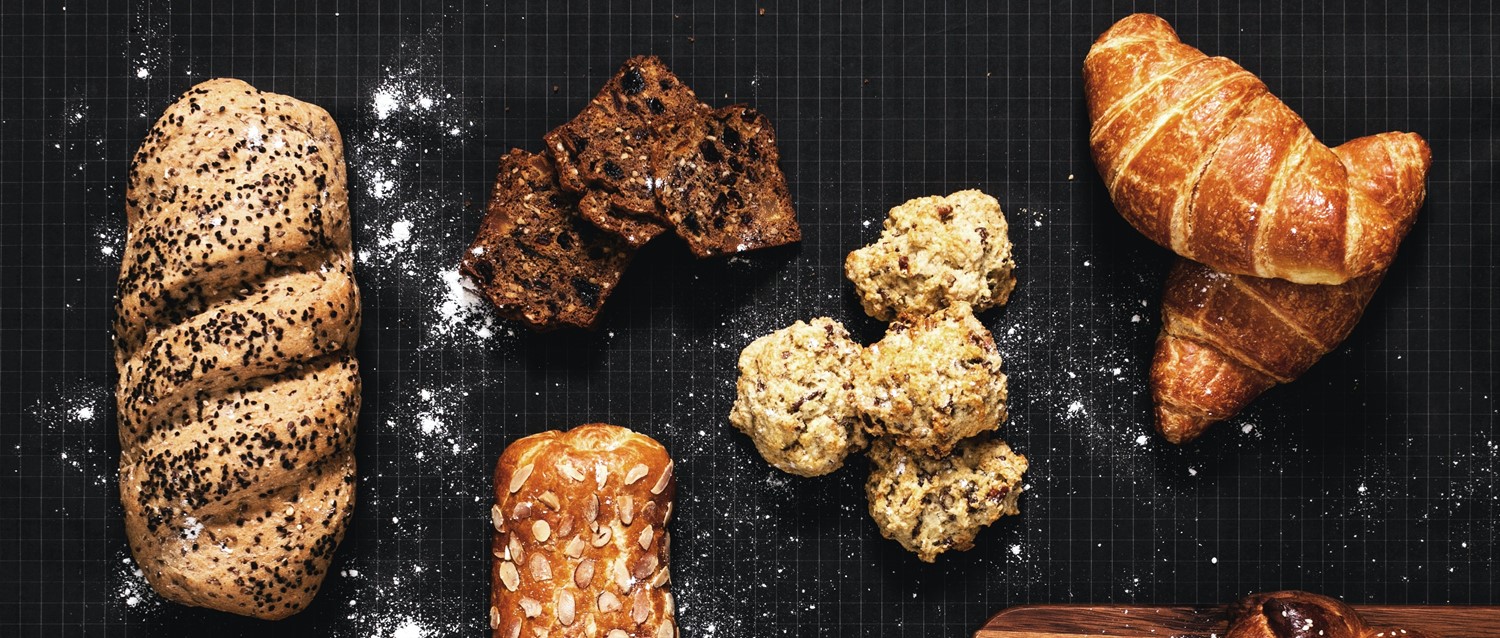
In the western world, our main gluten sources come from wheat, which is found in bread, pasta, pastries and other baked goods and cereals," says Reema Patel, a registered dietitian at Dietitian Fit. "Rye is found in rye bread, cereals and rye beer. Barley can be found in beer and brewer's yeast, as well as malt products such as malt vinegar."
Foods with high gluten content include:
Pasta.
Bread.
Cakes.
Flour.
Pastry.
Biscuits.
Some cereals.
Beer.
Gluten and your digestive system
When we eat gluten, the enzyme that helps our bodies break down and process proteins (called protease) is unable to digest the protein fully. The gluten that isn't broken down then ends up in the small intestine, and for most people, this causes no problems.
Is gluten unhealthy?
A lot of research shows that gluten itself is not bad for people who don't have coeliac disease or gluten intolerance. This is especially true of naturally occurring gluten in the whole grains wheat, barley and rye.
Gluten is often extracted from grains to make refined foods - highly processed foods that have been stripped of their original nutrients.
While wheat is highly nutritious, gluten-containing processed foods tend to contain white flour and starches with little nutritional value and high levels of salt, sugar and saturated fat. The significance here is that it's not the gluten itself that leads to related health issues such as weight gain and type 2 diabetes.
Regardless, misconceptions around gluten are widespread. Yet, there is little to no scientific research that supports the claims that gluten is unhealthy for people without coeliac disease or gluten intolerance. On the contrary, gluten has been linked with many positive health outcomes.
For example:
Gluten in whole grains - there's lots of evidence linking whole grain consumption with a lower risk of diseases such as stroke, heart disease and type 2 diabetes.
Gluten and heart disease - one study of over 100,000 healthy participants found no link between diets containing gluten and heart disease risk. On the contrary, findings indicated that following a gluten-free diet could increase the risk of heart disease due to the reduced consumption of healthy whole grains.
Gluten as a prebiotic - experts believe that gluten may act as a prebiotic, feeding the "good" bacteria in our bodies. When we have less good bacteria, we are more vulnerable to conditions involving the digestive system, including irritable bowel syndrome (IBS) and colorectal cancer.
What is gluten intolerance?
While for most people it's not a problem that gluten can't be completely broken down in the gut, for people with gluten intolerance this can trigger uncomfortable symptoms. Patel explains:
"Gluten intolerance is a sensitivity to gluten (sometimes called non-coeliac gluten sensitivity). This isn't to be confused with coeliac disease, which is an autoimmune disease.
"Although symptoms for both are similar, there are key differences. A sensitivity or intolerance to gluten does not produce an immune response and does not damage the gut lining, as coeliac disease does."
Other gluten-related conditions include wheat allergy (an allergic reaction to wheat but not to gluten itself) and gluten ataxia (a very rare neurological autoimmune disorder that causes your body to attack parts of your brain in response to gluten).
Until recently, experts believed gluten intolerance to be related to coeliac disease and wheat allergy. However, several studies have found that you can have gluten intolerance without having these other conditions. Links have been identified between having gluten intolerance and factors such as a genetic tendency toward allergies.
Gluten intolerance symptoms
According to Ball and Patel, common gluten intolerance symptoms include:
Sometimes symptoms include:
These symptoms are the same for coeliac disease. Your GP will be able to provide an antibody test that can either diagnose or rule out coeliac disease with 98% accuracy. For the test to work, you'll need to carry on eating gluten until after the antibody test has been taken.
Coeliac UK has a helpful online tool for checking if your symptoms might be due to coeliac. However, Ball cautions that the BDA does not recommend you order any commercial food sensitivity tests "due to a lack of scientific evidence of the accuracy of these tests".
Living with gluten intolerance
The only recommended treatment for gluten intolerance is following a gluten-free diet. "However, people with a gluten intolerance may be able to tolerate a small amount of gluten. Those with coeliac disease, on the other hand,must follow a strict gluten-free diet," says Patel.
It's important to note that not all gluten-free products are healthy. Likewise, since gluten-containing whole grains contain essential nutrients, you'll need to get these from other foods. "Those on a gluten-free diet need to ensure they are getting adequate fibre, calcium, and B vitamins," says Ball.
Ball recommends the following:
Gluten-free sources of fibre
Nuts and seeds.
Vegetables.
Gluten-free oats - check for a certified gluten-free oats label, which guarantees content contains less than 20 parts per million of overall gluten.
Pulses and lentils (like oats, these are naturally gluten-free but may be contaminated with small amounts of gluten - check for tinned versions that do not have a label that states they 'may contain gluten').
Fruits.
Potatoes.
Gluten-free sources of calcium
Dairy.
Dairy alternatives.
Broccoli.
Sesame seeds.
Tofu.
Tahini
Gluten-free sources of B vitamins
Nutritional/deactivated yeast - avoid yeast extract as this contains gluten. Nutritional yeast is gluten-free.
B vitamin supplements.
"The following naturally gluten-free foods can be used in meals to replace pasta and couscous."
Brown rice.
Quinoa.
Buckwheat.
Millet.
"If you prefer to mimic gluten-containing products, there are many available made from corn, lentils, rice, quinoa, potato, tapioca starch, peas and more. You can also buy gluten-free flours and make products at home," Ball adds.
Maintaining a healthy, well-balanced diet can protect you against a large number of health issues. It's best to avoid gluten-free processed foods that tend to be high in salt, sugar and fat: these include gluten-free chips, cookies, and other snack foods.
Hidden gluten
You may be surprised to learn that the following foods often contain gluten:
Soups.
Sauces.
Processed meats.
Plant-based meat substitutes.
Flavoured chips.
Flavoured crisps.
Flavoured coffees and teas.
There are several online resources, including food label reading advice, provided by charities like Coeliac UK that can help people with non-coeliac gluten sensitivity and coeliac disease alike.
"Reintroduction of gluten can be tested 1-2 years after diagnosis, alongside an experienced medical professional such as a registered dietitian," adds Patel. "Reintroducing small amounts of gluten will need to be tested individually over a period of time, as tolerance may differ for people."
Patient picks for Food allergy and intolerance

Allergies, blood and immune system
Is it cow's milk allergy or lactose intolerance?
The supermarket chiller aisles are bursting with lactose-free and dairy milk substitutes these days. There's never been more choice for what to put on your cornflakes. But many people confuse the terms 'lactose intolerance' and 'cow's milk allergy'. So what's the difference?
by Dr Jennifer Kelly, MRCGP
Allergies, blood and immune system
How to introduce your baby to allergenic foods
Moving your baby on to solid foods can be a fun process, especially as you watch their faces as they try new flavours and textures. But it can also be nerve-wracking to introduce your baby to foods that can trigger an allergic reaction, such as peanuts or shellfish. So how can you do it safely?
by Lawrence Higgins
About the authorView full bio
Authored by

Amberley Davis
Senior writer
BA (Hons), CPD
Amberley is a senior writer with Patient and has written extensively on a range of health and wellbeing topics.
About the reviewerView full bio

Dr Sarah Jarvis
Clinical Consultant
MA (Cantab), BM, BCh (Oxon), DRCOG, FRCGP, MBE
After training in medicine at Cambridge and Oxford, Dr Sarah Jarvis MBE became a GP.
Article history
Article also available in English, German, Spanish, French, Italian, Portuguese, Hindi, Hebrew, Arabic, and Swedish.
6 Mar 2022 | Originally published
Authored by:
Amberley DavisPeer reviewed by
Dr Sarah Jarvis
Join the conversation
Share your thoughts or experiences with others in our patient communities.

Ask, share, connect.
Browse discussions, ask questions, and share experiences across hundreds of health topics.

Feeling unwell?
Assess your symptoms online for free
Sign up to the Patient newsletter
Your weekly dose of clear, trustworthy health advice - written to help you feel informed, confident and in control.
By subscribing you accept our Privacy Policy. You can unsubscribe at any time. We never sell your data.