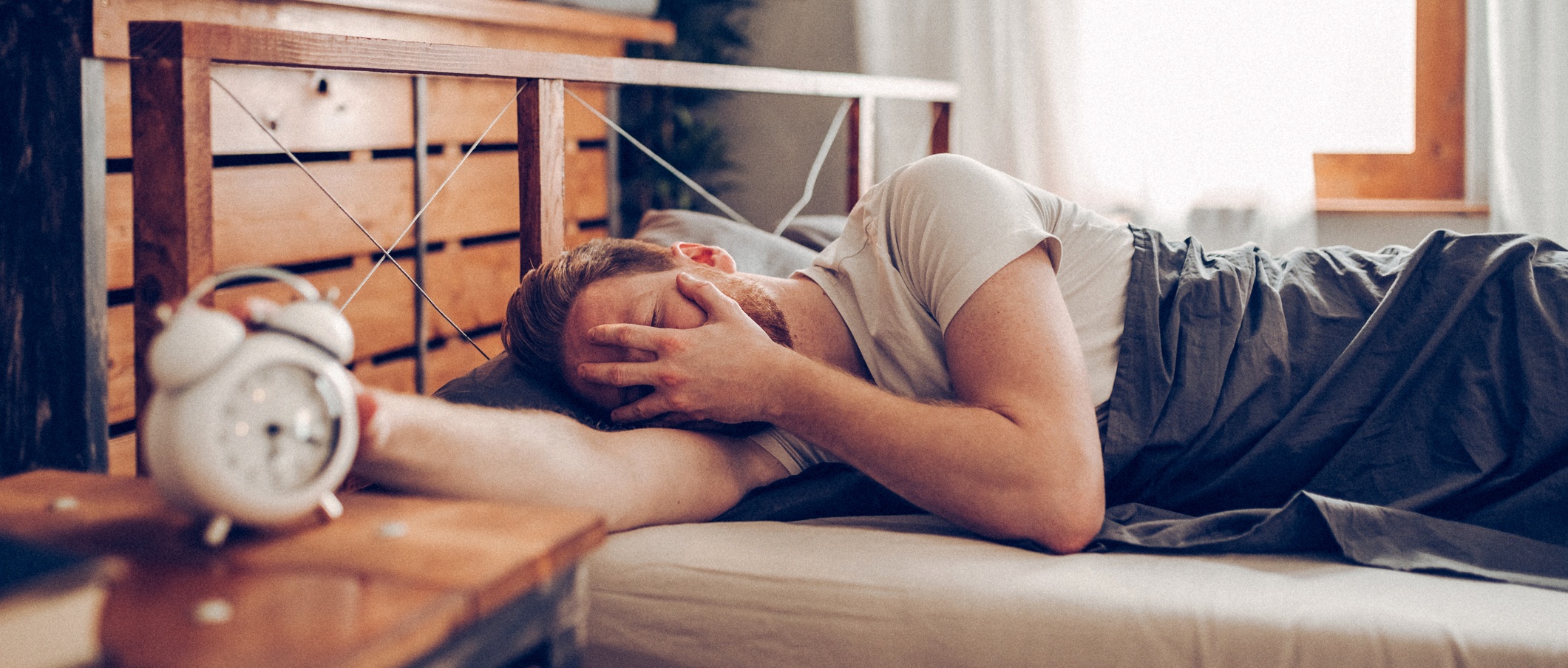
Itchy skin at night this summer? Here's why
Revisione paritaria di Dr Krishna Vakharia, MRCGPAuthored by Amberley DavisPubblicato originariamente 18 Giugno 2024
Rispetta le linee guida editoriali
- ScaricaScarica
- Condividi
- Language
- Discussione
- Versione audio
- Add to preferred sources on Google
If you are waking up throughout the night to itch, you might just need to make a simple change to your environment - like your summer skincare routine, your duvet, or central heating. Sometimes though, itchy skin at night is a sign of an underlying problem.
In questo articolo:
Video picks for Altre condizioni della pelle
Continua a leggere sotto
Why is my skin itchy at night?
Itching at night isn't usually something to worry about, but it can be annoying and disruptive if it's happening a lot. Your instinct to scratch can wake you up and disturb your sleep, leaving you feeling groggy the next day. Scratching a lot can also result in broken, sore and bleeding skin.
According to the Cadogan Clinic skin specialist Dr Sophie Momen, itchy skin at night is known as nocturnal pruritis. "This is a common skin concern and can be very troubling to people. It can have a large effect on sleep, which can have a knock-on effect the next day."
What causes itchy skin at night?
Torna ai contenutiBoth medical and lifestyle factors can trigger nighttime skin itching. Perhaps you find this is only a problem in summer when the weather warms, it crops up as an issue every now and then, or it's become a recent ongoing issue that you can't quite work out.
In some ways, a little itchiness at night is normal. "Your skin becomes drier overnight because it loses moisture," explains Dr Momen. Dry skin can become irritated, triggering itchiness as a sign that it's not entirely happy.
I cambiamenti ormonali durante la notte sono anche un fattore. Durante questo periodo, il tuo corpo non produce tanti ormoni come durante il giorno, come parte del tuo ritmo circadiano (o orologio biologico). Questo include gli ormoni che riducono l'infiammazione. Si tratta di un tipo di gonfiore innescato dal sistema immunitario, che a volte può causare prurito1.
These are some of the normal processes your body goes through. However, if your sleep is suffering or your skin is becoming sore and uncomfortable as a result, it's worth checking if there's something more going on.
Continua a leggere sotto
Common causes to address
Torna ai contenutiAnyone's skin can become itchy at night due to several factors, Dr Momen explains:
Fattori esterni hanno aumentato la tua temperatura corporea - for example, if you've recently switched to a warmer duvet. This increases blood flow to the skin.
Fattori esterni hanno reso la tua pelle più secca - for example, if you're leaving your central heating on overnight in winter.
Ti senti stressato - stress can trigger itching2. You're more likely to notice this at night when you have fewer distractions.
Common causes in summer
Torna ai contenutiItchy skin at night isn't just a summer problem, but for lots of people this season can kickstart this annoying, sleep-disturbing sensation:
Time in the sun - even if you don't burn, the sun's rays can make your skin drier than normal. Dry skin is weak and easily damaged, which might allow toxins to pass through into your body. Itching can be part of your immune system's response to this threat.
Scottatura solare - burning your skin creates a lot of damage. It may lead to neurogenic inflammation, where immune cells are sent straight to the damaged area, causing pain and itching.
Febbre da fieno - if you're allergic to summer pollen, this can blow through open windows and enter your nose and mouth during the night. This can cause itching along with other sintomi classici.
Ondata di calore - switching to a lighter duvet can help keep your body temperature cooler. Be mindful that fans and air conditioning could also trigger itching by drying your skin too much. Find more advice for sleeping during a heatwave qui.
These summer triggers can usually be resolved by taking straightforward measures, like protecting and moisturising your skin, and adjusting your bedroom set up. Although less likely, there are some other summer hazards.
If you suddenly experience a lot of itching and tiny red dots after swimming or wading in natural bodies of water - like lakes, rivers or the ocean – there's a small chance that parasites have entered your skin. With the current crisi delle fognature nel Regno Unito, be especially careful of contaminated waters this summer.
Continua a leggere sotto
Skin conditions or allergies
Torna ai contenutiIf you know you have a skin condition like eczema, psoriasi or urticaria, it's normal for this to become itchier at night - even if it's giving you minimal bother in the day.
"Le condizioni della pelle come l'eczema possono essere più pruriginose di notte," dice il Dr. Momen. "Questo perché tendiamo ad essere più caldi quando siamo a letto, il che significa che c'è un aumento del flusso sanguigno alla pelle. Inoltre, quando siamo rilassati a letto ci sono meno cose a distrarci, quindi diventiamo più consapevoli dei sintomi come il prurito."
Anche se molti considerano l'eczema una malattia infantile, è possibile svilupparlo più tardi nella vita. Infatti, secondo la National Eczema Association, 1 adulto su 4 riferisce che i sintomi sono comparsi per la prima volta in età adulta3. See your doctor if you suspect your sintomi are something more than nighttime itching.
More serious causes of itching at night
Torna ai contenutiIf you don't have a known skin condition, and suddenly experience a lot of itching along with other symptoms like red rashes, blisters, and bumpy patches of skin, you may be having an allergic reaction. The most common cause of this is taking a new medication. Contact your doctor and follow their advice.
"Itchy skin at night can also be a sign of underlying conditions," warns Dr Momen. These are wide ranging and can be very serious. Before you start to worry, know that just itching at night as a standalone symptom is unlikely to be a sign of the following. You can find full information on the main warning signs for each condition through the links below.
Ansia oppure depressione.
If you have concerns, don't delay a trip to the doctors. They can put your mind at ease if it's nothing serious, or further investigate a problem to give you the best chances of recovery or treatment.
How to cure itchy skin at night
Torna ai contenutiAs a standalone issue, itchy skin at night is usually nothing to worry about - but that doesn't make it less of a nuisance, less sore if you break the skin, or less disruptive if it's keeping you awake.
Here Dr Momen shares her tips for reducing the itch and soothing the damage:
1. Mantieni la tua camera da letto fresca, intorno ai 20oC.
2. Avoid hot baths and showers before bed - opt for cool temperatures.
3. Apply a moisturiser designed for eczema prone skin to affected areas.
4. Emollients with menthol in can be kept in fridge and may be cooling and relieve itchiness.
"If your symptoms last for more than 2-4 weeks, then I would advise seeking advice from your doctor or a dermatologist, as they can find out the cause. You should seek advice sooner if your itch is accompanied by night sweats or unexplained weight loss."
Ulteriori letture
Torna ai contenutiPatient picks for Altre condizioni della pelle
Salute della pelle, delle unghie e dei capelli
Come l'ambiente influisce sulle condizioni della pelle
Sapevi che il luogo in cui vivi e lavori può avere un impatto significativo sulla salute della tua pelle? Condizioni come eczema, psoriasi, rosacea e acne possono migliorare o peggiorare a seconda dell'ambiente in cui ti trovi.
di Sara Lindberg

Salute della pelle, delle unghie e dei capelli
How to treat an infected piercing
All body piercings take time to heal. How can you tell the difference between the normal signs of temporary irritation and the signs of infection? And if you have an infection, what should you do?
di Amberley Davis
Continua a leggere sotto
About the authorView full bio

Amberley Davis
Senior writer
BA (Hons), CPD
Amberley is a senior writer with Patient and has written extensively on a range of health and wellbeing topics.
About the reviewerView full bio

Dr Krishna Vakharia, MRCGP
Chief Medical Officer for Health, Optum UK
MBChB, MRCGP(2013), BMedSci (hons), DFSRH, DRCOG, PGDipDerm (Distn)
Dr Krishna Vakharia is an NHS GP. She is also a regular examiner for the postgraduate Diploma in Practical Dermatology at Cardiff University as well as being the Chief Medical Officer for health at Optum UK.
Storia dell'articolo
Le informazioni su questa pagina sono revisionate da clinici qualificati.
Prossima revisione prevista: 17 giu 2027
18 Giugno 2024 | Pubblicato originariamente
Autore:
Amberley DavisRevisione paritaria di
Dr Krishna Vakharia, MRCGP

Chiedi, condividi, connettiti.
Esplora le discussioni, fai domande e condividi esperienze su centinaia di argomenti di salute.

Non ti senti bene?
Valuta i tuoi sintomi online gratuitamente
Iscriviti alla newsletter di Patient
La tua dose settimanale di consigli sulla salute chiari e affidabili - scritti per aiutarti a sentirti informato, sicuro e in controllo.
By subscribing you accept our Informativa sulla Privacy. Puoi annullare l'iscrizione in qualsiasi momento. Non vendiamo mai i tuoi dati.