
4 common winter hair conditions - and how to treat them
Revisione paritaria di Dr Colin Tidy, MRCGPUltimo aggiornamento di Lynn StephenUltimo aggiornamento 18 Nov 2026
Rispetta le linee guida editoriali
- ScaricaScarica
- Condividi
- Language
- Discussione
- Ask Patient
- Versione audio
- Aggiungi alle fonti preferite su Google
In winter, we're constantly going between the chilly, outdoor weather and indoor, central heating. Both of these can be harsh on our hair, depriving it of the moisture it needs to stay healthy and full.
We asked a hair specialist for tips on preventing the most common winter hair conditions, and explore other possible health issues that could be linked to your hair troubles.
Scelte video per Capelli e cuoio capellutoVideo library
What your hair says about your health
How we feel about our hair is closely bound to our mental wellbeing. People who are happy with their hair tend to have better self-esteem, while those who are stressed can have perdita di capelli as a result.
Healthy hair that feels hydrated and looks shiny can also tell us that we're absorbing all the water, vitamins, and nutrients we need. For example, if you're dehydrated your body will direct whatever water it has to more critical functions - such as regulating your internal temperature and keeping your joints lubricated - before it can reach your hair.
External factors such as cold winter days can also cause hair and scalp issues.
Anabel Kingsley, Consultant Trichologist at Philip Kingsley, shares the signs of hair damage to look out for and what to do.
How winter affects your hair and scalp
1. Capelli secchi
Se i tuoi capelli sembrano secchi, potrebbero avere una consistenza simile alla paglia, apparire meno lucenti, essere più crespi o annodarsi più facilmente del solito. In inverno, questo è probabilmente il risultato di temperature rigide, inclusa la permanenza in stanze con meno umidità nell'aria a causa del riscaldamento centralizzato.
"Dry hair tends to be more porous, meaning it will absorb and lose moisture quickly so that it becomes brittle," says the London-based hair and scalp specialist. "On the other hand, healthy hair will retain moisture, making it elastic and less prone to breakage."
Come trattare i capelli secchi
Consiglio di Kingsley: "Drink plenty of water and use a weekly pre-shampoo deep-conditioning treatment to flood moisture back into parched strands, improving hair elasticity."
Cosa può significare ancora avere i capelli secchi?
Dry hair could also be a symptom of an underlying health issue that's disrupting your hair's ability to stay hydrated.
Esempi includono:
Ipotiroidismo - where your thyroid glands don't produce enough thyroid hormones.
Ipoparatiroidismo - a condition where the parathyroid glands don't produce enough parathyroid hormone, decreasing the amount of the nutrient calcium in your blood.
Avere i capelli secchi da soli non significa spesso che ci sia qualcosa che non va nel tuo corpo. Se sei preoccupato e senti di avere altri sintomi oltre ai capelli secchi, vale la pena consultare il tuo medico.
2. Hair loss
La perdita di capelli - conosciuta medicalmente come alopecia - può anche aumentare in inverno per alcuni. Spesso va di pari passo con capelli secchi e un cuoio capelluto secco, causando rotture e assottigliamento.
"People also tend to lavare i capelli meno often in the winter, which can lead to the illusion you are losing more hair than usual, because good scalp hygiene is essential to la crescita dei capelli," dice Kingsley. "Un cuoio capelluto sano è un cuoio capelluto pulito."
Come trattare la perdita di capelli
Consiglio di Kingsley: "Try to shampoo frequently to obtain the best scalp conditions for healthy hair growth. Wash every day for fine hair, every other day for medium hair, and no more than three days apart for coarse or coiled hair textures."
Cos'altro può significare la perdita di capelli?
If you're regularly shampooing and still notice a change in how much hair you're losing, there are some possible medical causes.
Questi includono:
Stress - when stress leads to hair loss, this is called telogen effluvium. There are different ways to address your stress, including breathing techniques, therapy, talking to friends, and a healthy diet, and exercise routine.
Carenze nutrizionali - nutrients such as biotin, iron, zinc, and calcium all support healthy hair growth. A healthy diet is the main treatment, and supplement tablets might be recommended by your doctor.
Male pattern baldness and female pattern baldness (androgenic alopecia) - this type of hair loss is caused by genetics, hormones, and ageing.
Alopecia areata - an autoimmune disease where your immune system triggers patches of total hair loss surrounded by your normal hair.
Ipotiroidismo - where your thyroid glands don't produce enough thyroid hormones.
3. Un cuoio capelluto squamoso e pruriginoso
"Il tuo cuoio capelluto è un tessuto cutaneo vivente che produce olio, suda e perde cellule della pelle," dice Kingsley. "Forfora and a flaky scalp are more common in the cold, dry temperatures of winter."
In some cases, this causes your scalp to become itchy, and scratching your scalp can damage your hair follicles - which can in turn rallentare o fermare la crescita dei capelli.
To prevent hair loss, Kingsley recommends treating a flaky scalp as soon as possible.
Come trattare un cuoio capelluto secco e pruriginoso
Consiglio di Kingsley: "Use a targeted anti-microbial shampoo that helps relieve itching. There are also scalp serums that support long term scalp health by restoring hydration and strengthening the skin barrier."
Cos'altro può significare un cuoio capelluto squamoso e pruriginoso?
If your scalp is very itchy, and if it's looking red and sore through your hair, you may have one of the following skin conditions.
Una reazione allergica a un prodotto per capelli - known as dermatite allergica da contatto, un cuoio capelluto pruriginoso e secco potrebbe essere causato da un ingrediente in uno dei tuoi prodotti per capelli. Ad esempio, se tingi i capelli di nero, un ingrediente chiamato para-fenilendiammina (PPD) può a volte essere la causa.
Dermatite seborroica - a worse cause of dandruff that affects the scalp. It can also affect oily areas of the body, such as eyebrows and each side of the nose.
Pidocchi - small insects that live in human hair, causing an itchy scalp.
Dermatite atopica - a type of eczema that can develop on your scalp, resulting in redness and scaly, flaky skin. This can feel itchy or like a burning sensation.
Psoriasi del cuoio capelluto - plaque psoriasis is an autoimmune condition that causes thick reddish patches called plaques on your skin, including your scalp.
4. Rottura e doppie punte
Both the cold outdoor temperatures of winter and the contrasting warmth of heated buildings can cause hair to break and split from the ends.
Kingsley explains that as hair becomes drier and frizzier due to external factors in winter, the chances are your hair might break easily.
"Breakage can lead to split ends, which if not looked after can really damage hair health," she cautions. "They can split further up the hair shaft, causing even more damage."
It can also be tempting in winter to blow-dry your hair with high heat, to help keep yourself warmer. According to the hair specialist, using excessive heat over time can break down the keratin in your hair - an important protein that keeps your hair strong and less prone to breakage.
How to treat damaged hair and split ends
Consiglio di Kingsley: "While it may take a little longer, a low-to-medium heat setting on your hairdryer will give you great styling results, but without dryness, breakage, and split ends. You should also always use a heat protective product and make sure you don't hold your hairdryer right next to your strands.
"To repair existing split ends, I recommend using a bond-building hair product. These restore the chemical bonds that prevent further breakage in hair strands."
Cosa possono significare rotture e doppie punte?
Split ends and broken hair strands are most likely a sign of damaging hair styling habits. Along with those mentioned above, this could include towel-drying, over-brushing, and not having your hair trimmed enough.
However, like dry hair and hair loss - which is closely linked to breakage and split ends - this can sometimes indicate an underlying health issue, including disturbi della tiroide. For example, hypothyroidism can cause hair to become brittle and prone to breakage.
Scelte del paziente per Capelli e cuoio capelluto
Salute della pelle, delle unghie e dei capelli
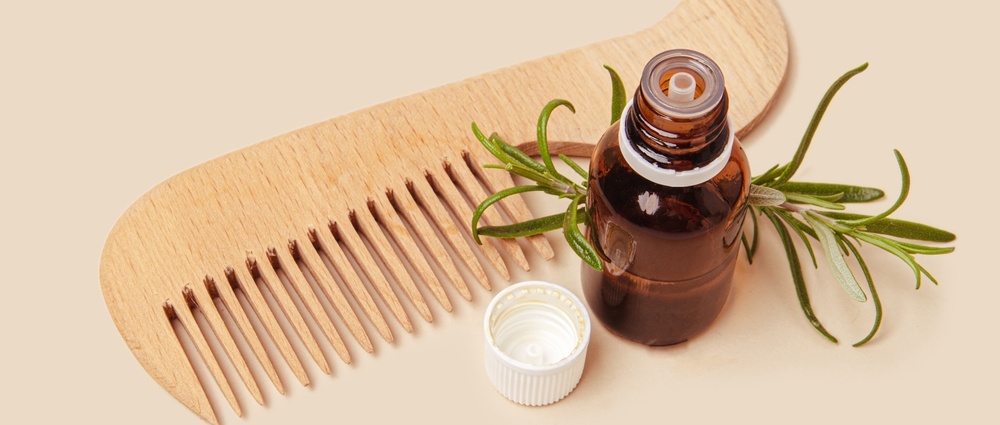
L'olio di rosmarino aiuta davvero la crescita dei capelli?
Siamo sempre alla ricerca dell'ultimo prodotto miracoloso per la salute - soprattutto se è economico e facilmente reperibile nei negozi. E TikTok è pieno di affermazioni che l'olio di rosmarino sia un rimedio per la crescita rapida dei capelli. Ma ci sono prove che funzioni davvero?
di Lynn Stephen

Salute della pelle, delle unghie e dei capelli
Perché i capelli diventano grigi - e come lo stile di vita può influire
It’s natural, as you get older, to think about grey hair. While embracing a natural white, silvery, or salt-and-pepper look can be empowering, many people wonder if targeted lifestyle choices can delay it. Whether you’re ready to embrace a new hue, or want to hold onto your natural colour a bit longer, we dive into the science of why hair greys and if it’s actually possible to slow down the clock.
di Victoria Raw
Informazioni sull'autoreVisualizza il profilo completo
Aggiornato da

Lynn Stephen
Sviluppatore di contenuti
MA (Hons)
Lynn si è unita a Patient nel 2023 e il suo ruolo include il controllo di tutti i volantini professionali, i foglietti informativi per i pazienti e i foglietti illustrativi dei medicinali, per garantire la coerenza dell'ortografia, della grammatica, del materiale di riferimento e dello stile del marchio, lavorando con gli autori medici e il direttore clinico per coordinare la redazione e la revisione tra pari dei volantini.
Autore

Amberley Davis
Scrittore senior
BA (Hons), CPD
Amberley è una scrittrice senior presso Patient e ha scritto ampiamente su una gamma di argomenti relativi alla salute e al benessere.
Informazioni sul recensoreVisualizza il profilo completo

Dr Colin Tidy, MRCGP
Medico di base, Autore medico
MBBS, MRCGP, MRCP (Paediatrics), DCH
Il Dr Colin Tidy è un medico del NHS, con sede nell'Oxfordshire.
Storia dell'articolo
Articolo disponibile anche in Inglese, Tedesco, Spagnolo, Francese, Italiano, Portoghese, Hindi, Ebraico, Arabo, and Svedese.
Next review due: 18 Nov 2029
18 Nov 2026 | Ultima versione
8 Feb 2024 | Pubblicato originariamente
Autore:
Amberley Davis
Condividi i tuoi pensieri o esperienze con gli altri nel nostro comunità di pazienti.
Iscriviti alla newsletter di Patient
La tua dose settimanale di consigli sulla salute chiari e affidabili - scritti per aiutarti a sentirti informato, sicuro e in controllo.
Abbonandoti accetti i nostri Informativa sulla Privacy. Puoi annullare l'iscrizione in qualsiasi momento. Non vendiamo mai i tuoi dati.