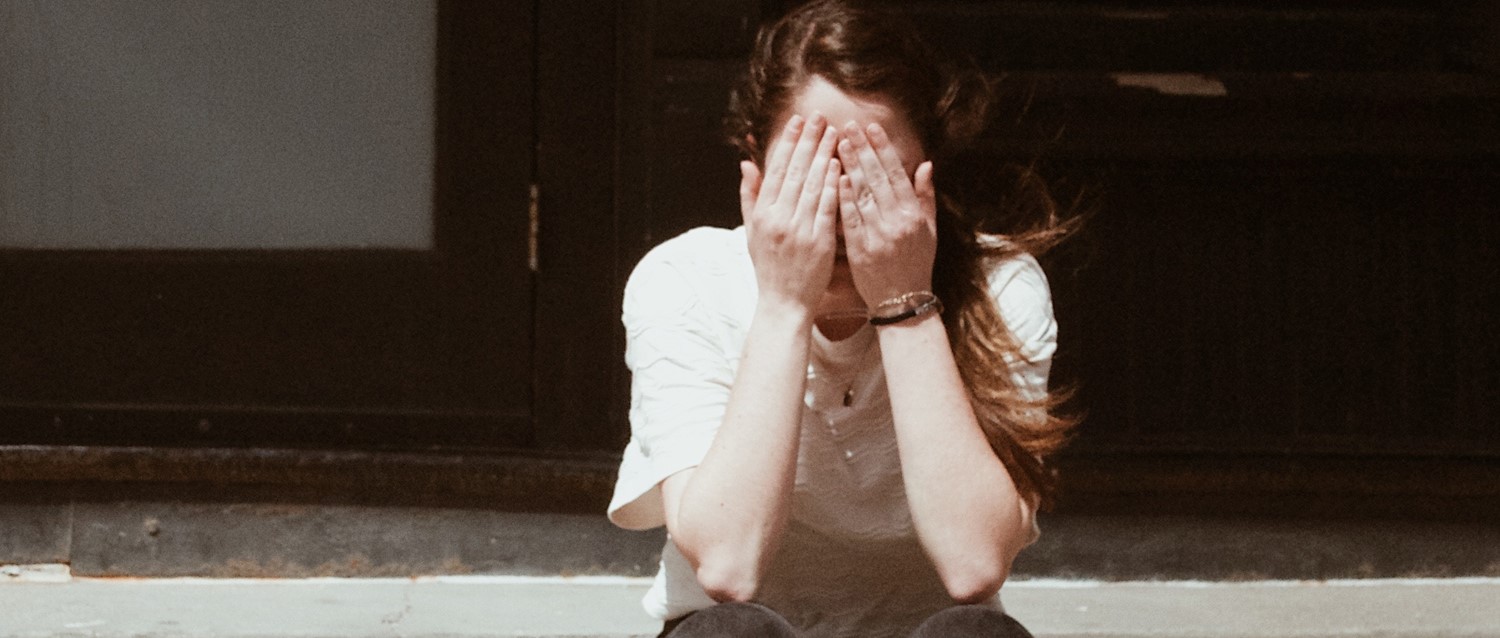
Dealing with depression and anxiety caused by adult acne
Peer reviewed by Dr Sarah JarvisAuthored by Lydia SmithOriginally published 19 Jun 2018
Meets Patient’s editorial guidelines
- DownloadDownload
- Share
- Language
- Discussion
- Audio Version
- Add to preferred sources on Google
Acne is a common skin condition which many of us have struggled with at some point, particularly during our teenage years. But for some people, acne continues well into adult life and can have a serious impact on mental well-being.
Mental health support for adults and children
Online CBT and psychological therapy for adults and children aged 8–17. Onebright’s accredited clinicians support people experiencing anxiety, depression and other emotional challenges.
In a world where so much pressure is put on physical appearance, having acne can seriously affect self-esteem and confidence - and in some cases, it can lead to mental health conditions such as anxiety and depression.
Emma*, 23, has had acne for more than a decade but says her skin deteriorated after she came off the contraceptive pill aged 21.
"It's unbearably frustrating to imagine the things I've allowed myself to miss out on as a result of my skin," she says. "I've cancelled dates, missed job interviews, called in sick to work and even avoided spending time with my own family because I feared their judgement. The anxiety, shame and constant emphasis on panicking that people are staring at my spots is relentlessly overwhelming.
"My skin has caused me such sadness throughout my life that I've considered taking my own life on more than one occasion," Emma says.
"It affects everything I do. From not being able to shower at the gym because people will see me without make-up on, to refusing to go on holiday with friends because they’ll have to see me before bed."
Why acne affects mental health
As a visible skin condition, acne can have a profound impact on mental health, confidence and self-worth. In early 2018, research published in the British Journal of Dermatology found patients with acne had an increased risk of developing major depression. A separate British Skin Foundation study of 2,299 people with acne found more than 20% of respondents reported to have thought about - or attempted - suicide.
Spots are often dismissed as a minor skin condition, but acne can impact all aspects of life, including relationships, friendships and work. A recent survey by the British Association of Dermatologists found 22% of British adults with acne say the condition has negatively impacted their social interactions.
"As an adult with acne, spots continue to evoke shame, embarrassment and feelings of inadequacy," says Dr Anjali Mahto, a consultant dermatologist at Skin55 and the author of The Skincare Bible.
"It also generates anger: I should have grown out of this by now! These are the same sentiments I hear being echoed by my patients in clinic on a daily basis.
“It can be incredibly frustrating when it's back yet again after a round of what you thought was a successful treatment, but the reality is that it is often a condition that requires control rather than being amenable to a permanent cure," Mahto adds.
"Acne is much easier to come to terms with when we realise that our real goal should be to minimise its impacts so that we can get on with life. If it comes back, worry not; there are ways we can deal with it, and we needn't let it hold us back."
The treatment of acne depends on how severe it is - and although it might take a few months to improve, it's important to remember there is help and support out there.
Best skincare for acne
According to Mahto, the right skincare regime with the correct ingredients is the most effective way to manage acne concerns.
"I would advise staying away from using facial oils, cleansers and thick creamy textures in products," she says.
"Stick to light or gel-like formulations. Ideally the product should be labelled as non-comedogenic: whilst this is not a guarantee the product will not make you break out, it is better than a product that is not labelled at all! Look for ingredients such as retinol, salicylic acid, glycolic acid, zinc, tea tree oil, benzoyl peroxide, niacinamide, lactobionic acid and retinyl palmitate."
Lifestyle changes
Mahto also recommends following a nutritious diet with lots of whole grains, vegetables and pulses.
"Stress can anecdotally also play a part in aggravating inflammatory skin conditions such as acne," she says. "Learn to de-stress and make sure you get enough sleep and exercise. Participate in activities such as yoga and meditation if this works for you."
When to see your GP
If your acne is more widespread or severe, your GP can advise what the best treatment is for you. They may recommend topical medications or antibiotics, or a combination of both.
In severe cases, other medication may be prescribed, such as isotretinoin - which is sometimes used when acne is resistant to other treatments. As with all medications, there is a risk of side effects. Research has linked the medication to areas of the brain associated with depression, so you should tell your GP if you feel depressed or anxious.
Hormonal therapies
Hormonal therapies may help women with acne, particularly if it is exacerbated by periods or conditions such as polycystic ovary syndrome.
Your GP may suggest taking the combined oral contraceptive pill, although this can take up to a year to improve acne.
Psychodermatology
Psychodermatology is a field of research which studies the link between emotional issues and skin conditions and provides psychological support - such as cognitive behavioural therapy - alongside dermatological treatments.
Matthew Gass, of the British Association of Dermatologists, explains: "Psychodermatology is the treatment of skin disease using psychological techniques. It is typically used to complement other physical therapies that directly treat the cause or symptoms of skin disease.
"Although different people react differently, acne can make people feel more self-conscious, and socially anxious, and can lower self-esteem and increase social isolation. Psychodermatology techniques can be helpful in managing these feelings and can help us change the way we think about ourselves. For example, when it comes to building self-confidence it is key to start recognising the negative patterns that evoke feelings of doubt, anxiety and shyness.”
You can find out more about accessing support via Psychodermatology UK.
Finding support
There are organisations which provide advice and support for people struggling with their mental health because of acne, such as Acne Support, a programme recently launched by the British Association of Dermatologists.
The charity Mind & Skin aims to help raise self-esteem, reduce stress and help manage the psychological aspects of acne.
*Names have been changed.
Patient picks for Acne
Skin, nail and hair health
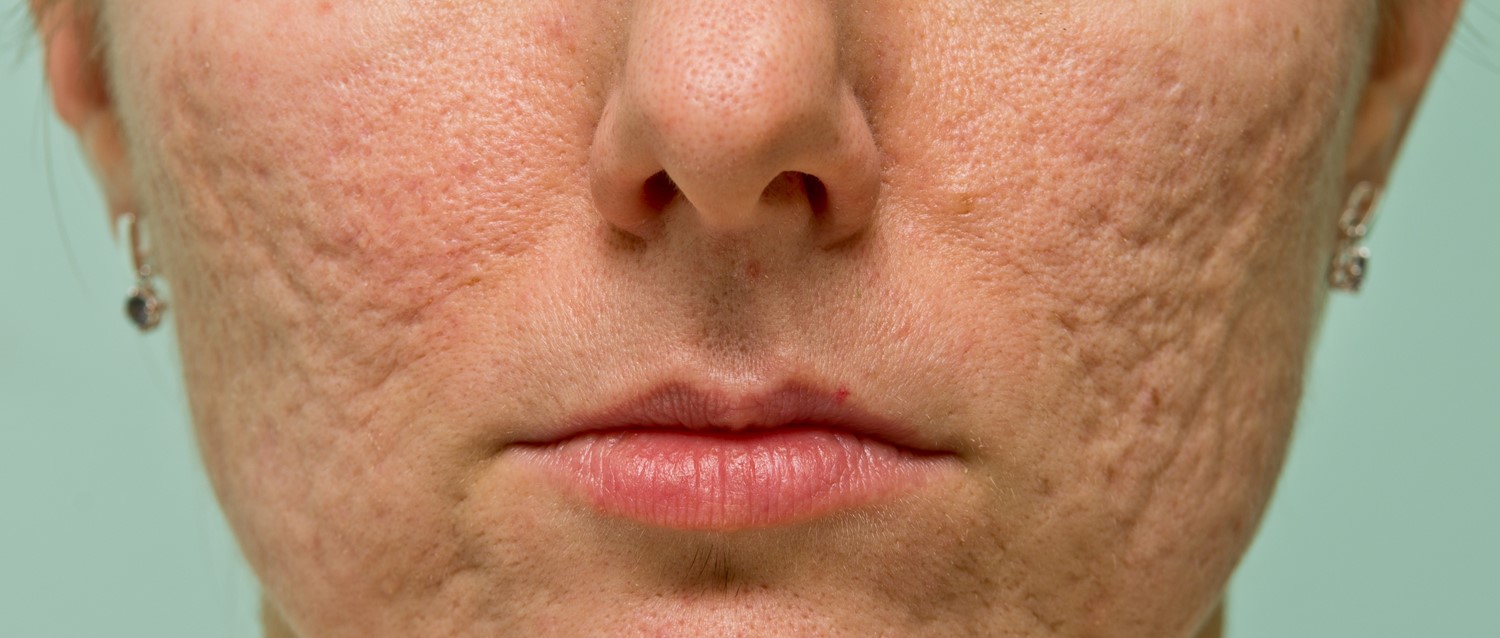
Does Bio-Oil help acne scars?
Bio-Oil is a cosmetic oil that many claim can reduce the appearance of acne scars. Bio-Oil is both the name of the oil and the name of the product manufacturer. It's a cosmetic oil that claims to reduce the appearance of scars and stretch marks, but how accurate are these claims?
by Emily Jane Bashforth
Skin, nail and hair health
Does wearing make-up give you acne?
"Does make-up give you acne?" is an age-old question. However, the answer may not be as straightforward as a yes or a no. It's understandable why those with acne might want to conceal it with make-up, but what can you do ensure you're still taking good care of your skin, and when should you see a professional about your acne treatment?
by Emily Jane Bashforth
About the authorView full bio
Authored by

Lydia Smith
Feature writer
BA, MA, MSc
Lydia Smith is an award-winning journalist and feature writer who has written extensively on women's health and mental health. She is currently studying for an MSc in psychology.
About the reviewerView full bio

Dr Sarah Jarvis
Clinical Consultant
MA (Cantab), BM, BCh (Oxon), DRCOG, FRCGP, MBE
After training in medicine at Cambridge and Oxford, Dr Sarah Jarvis MBE became a GP.
Article history
Article also available in English, German, Spanish, French, Italian, Portuguese, Hindi, Hebrew, Arabic, and Swedish.
19 Jun 2018 | Originally published
Authored by:
Lydia SmithPeer reviewed by
Dr Sarah Jarvis
Join the conversation
Share your thoughts or experiences with others in our patient communities.

Ask, share, connect.
Browse discussions, ask questions, and share experiences across hundreds of health topics.

Feeling unwell?
Assess your symptoms online for free
Sign up to the Patient newsletter
Your weekly dose of clear, trustworthy health advice - written to help you feel informed, confident and in control.
By subscribing you accept our Privacy Policy. You can unsubscribe at any time. We never sell your data.