Signs you’re not drinking enough water
Peer reviewed by Dr Krishna Vakharia, MRCGPAuthored by Matt BinnyOriginally published 6 Apr 2023
Meets Patient’s editorial guidelines
- DownloadDownload
- Share
- Language
- Discussion
- Audio Version
- Add to preferred sources on Google
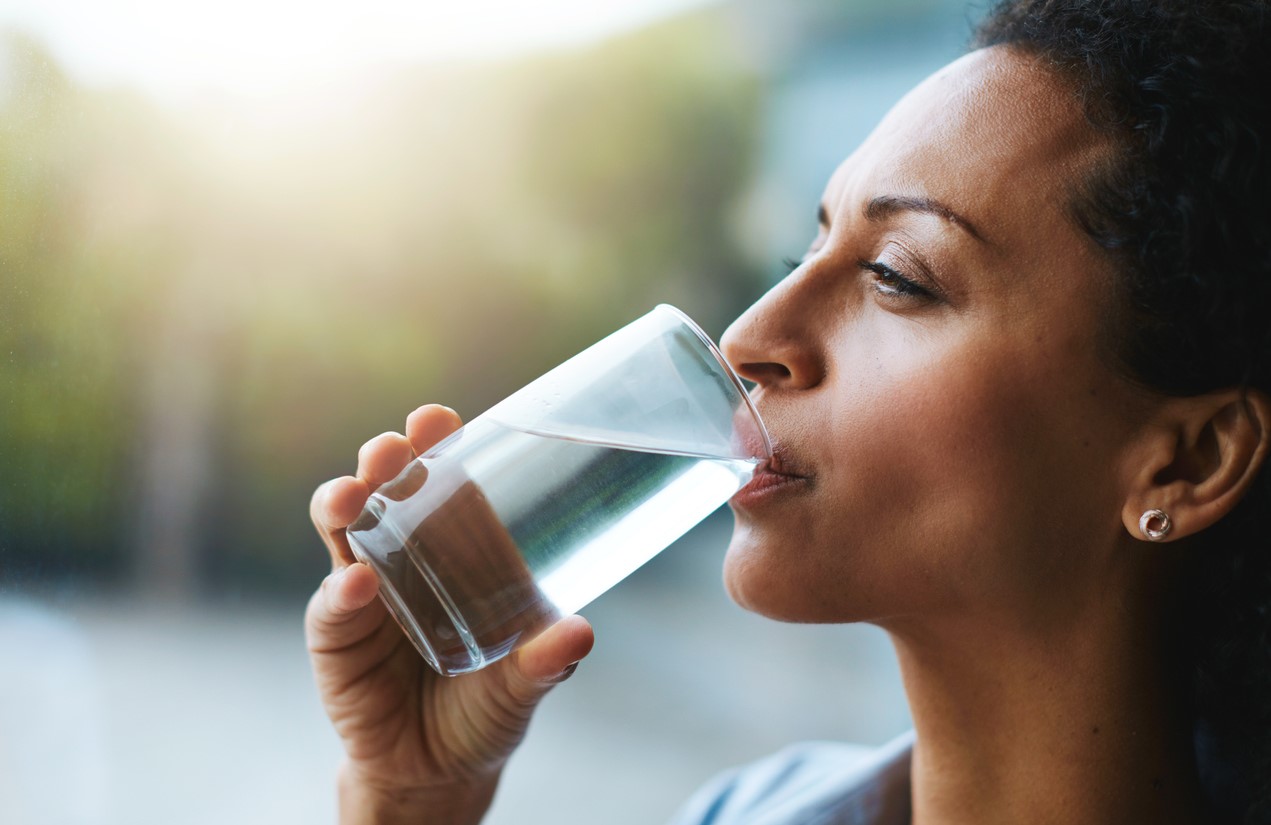
Water makes up around 60% of the human body. It's essential you drink enough to keep your body working properly and performing at its best. Here, we explore the symptoms of dehydration, and share tips to help you drink enough water.
You need to drink enough water to support your body's many functions. A part of this is recognising when your body needs you to drink more - for example, after it's lost more water on a hot day, after exercise, or following a bout of diarrhoea.
As a general rule, you should aim to drink around six to eight glasses of fluid a day1 - and one or two glasses more if you've lost more through sweat or illness. Water should be your main source, but consuming low-fat milk and sugar-free drinks in moderation can also contribute to your daily intake.
As tea and coffee contain caffeine, you need to drink more water after caffeinated fluids to prevent dehydration. Try to avoid or limit drinks containing sugar, like fruit juices and energy drinks, as these are also dehydrating, and can lead to unhealthy weight gain and associated health problems.
Here are a few signs you're not drinking enough water:
Headaches
Not drinking enough water can lead to dehydration headaches2. Some people are more prone to these headaches - athletes, for example, require more water to replenish lost fluids during physical activity. After a workout, it's essential to rehydrate by drinking enough water so that your pee turns pale or clear.
You don't have to be an athlete, or someone who exercises a lot, to be susceptible to dehydration headaches. In this case, you need to ensure you"re drinking enough water every day. A dehydration headache will generally go after an hour or so, once you've drank a few glasses of water.
Fatigue
Tiredness - also called fatigue - tends to result from overexerting yourself or not getting enough sleep. Rehydration is the best way to remedy this situation. Water is vital for giving your body nutrients while removing waste or toxins. Not drinking enough water prevents your body from working as it should and causes various reactions - such as fatigue, altered mood, and trouble concentrating 3.
Dry mouth and bad breath
When you're not drinking enough water, you prevent proper saliva production4. Having a dry mouth and lips are classic signs of dehydration and a helpful reminder to drink some water. A dry mouth can also cause bad breath, as there isn't enough saliva to get rid of unwanted bacteria. This effects your ability to maintain good oral hygiene and a build up of bacteria on your tongue, teeth, or gums can cause persistent bad breath.
If you have good and regular oral hygiene, bad breath may come as a surprise - and not drinking enough water can be the reason. Increase your water intake and if your bad breath persists, and check with your dentist.
Colour and frequency of your pee
Not peeing as often, or having dark yellow coloured pee, is another common sign of dehydration5 - essentially, less goes in and less comes out. Your body needs plenty of water for your kidneys to flush out toxins. If you're not drinking enough, your kidneys retain more water and therefore you pee less often. Additionally, because your kidneys have less water available to flush out toxins, your pee will contain some toxins and make it dark yellow and smell stronger.
It's also possible to drink too much water - usually more than three litres a day - as this can affect the sodium levels in your blood as well as your electrolyte balance.
Digestion issues
Drinking water is essential for healthy digestion and gut health6, ensuring food has a smooth and hassle-free journey through your digestive tract. It also helps to soften your poo and make it easier to pass. Not drinking enough water can make poos harder and more difficult to pass, known as constipation. The signs of this are feeling bloated, gassy, and having irregular or painful bowel movements.
Muscle cramp and pain
If you're sweating a lot, or sweat out more than the amount of water you're drinking, this can cause dehydration. When your body doesn't have the volume of water to produce enough sweat, it can cause muscle cramps and joint pain. This is because you need sweat to cool you down when you're exercising or in a hot environment, and not being able to cool down will affect your muscles. Multiple glasses of water a day keep cramps and muscle pain at bay, particularly following exercise or exposure to hot conditions. A good rule is to drink until your pee is pale or clear in colour, as dark yellow pee is a sign of dehydration.
It's not just muscle that's affected by dehydration. Cartilage is the tissue that cushions and protects your bones where they meet at your joints. Up to 80% of cartilage is made up of water7, and drinking ensures your cartilage keeps joints lubricated. Not drinking enough damages cartilage, which in turn increases the friction between your bones and wears them down. In the long-term, this can lead to painful joints and mobility problems.
Tips for drinking enough water
Here are a few tips to make sure you get enough water every day:
Use a large refillable water bottle and top it up throughout the day.
Put some water bottles in the fridge for quick and easy hydration.
Choose water rather than sugary or energy drinks.
Try to reduce your caffeine intake or counterbalance it with more water.
Serve water with meals.
Add lemon, lime or other natural ways to flavour water for an improved taste and a more appealing option.
Make drinking water part of your daily routine, such as water with all meals or whenever you leave the house.
Further reading
Khorsha et al: Association of drinking water and migraine headache severity
Zhang et al: Effects of dehydration and rehydration on cognitive performance and mood
Belasco et al: The effect of hydration on urine colour objectively evaluated
Medina et al: Systematised water content calculation in cartilage
Patient picks for Healthy eating
Diet and nutrition
Two soft drinks a day may increase risk of early death
A study has suggested that drinking soft drinks, including sugar-free, increases the risk of death.
by Milly Evans

Diet and nutrition
Do you really need to give up sugar?
Sugar detoxes are popular, especially after the festive season. But giving up sugar entirely may not be the best option for everyone and doesn't necessarily lead to a healthy diet.
by Léa Surugue
About the authorView full bio

Matt Binny
Feature writer
BA Applied Media
About the reviewerView full bio

Dr Krishna Vakharia, MRCGP
Chief Medical Officer for Health, Optum UK
MBChB, MRCGP(2013), BMedSci (hons), DFSRH, DRCOG, PGDipDerm (Distn)
Dr Krishna Vakharia is an NHS GP. She is also a regular examiner for the postgraduate Diploma in Practical Dermatology at Cardiff University as well as being the Chief Medical Officer for health at Optum UK.
Article history
Article also available in English, German, Spanish, French, Italian, Portuguese, Hindi, Hebrew, Arabic, and Swedish.
6 Apr 2023 | Originally published
Authored by:
Matt BinnyPeer reviewed by
Dr Krishna Vakharia, MRCGP
Join the conversation
Share your thoughts or experiences with others in our patient communities.

Ask, share, connect.
Browse discussions, ask questions, and share experiences across hundreds of health topics.

Feeling unwell?
Assess your symptoms online for free
Sign up to the Patient newsletter
Your weekly dose of clear, trustworthy health advice - written to help you feel informed, confident and in control.
By subscribing you accept our Privacy Policy. You can unsubscribe at any time. We never sell your data.
More in diet and nutrition
- NewBiblical eating - a nutritionist's take on the latest food trend
- Brain food: what to eat, when to eat, recipes
- NewCan chicory root be a healthier alternative to coffee?
- Do omega-3 fish oil supplements have a proven health benefit?
- Fibre, low FODMAP diet and gut bacteria
- Gallstones diet: foods to eat and avoid
- How to eat more healthily during the colder months
- How to have a healthy Christmas party
- How to keep your child eating healthily at secondary school
- How to snack healthily when you are vegan
- How to stop binge eating
- Is it safe for everyone to take probiotics?
- Is your child eating too much sugar?
- Recipe: Gluten-free hot cross buns
- Vitamin A-rich foods could protect against skin cancer
- What are the benefits of a plant-based diet?
- What you need to know about unhealthy foods
- UpdatedWhich ultra-processed foods are safe - and which should we avoid?
- Why do we get sugar withdrawal symptoms?