Whole grain heroes: Why eat ancient grains?
Peer reviewed by Dr Colin Tidy, MRCGPLast updated by Heather AinsworthLast updated 17 Aug 2025
Meets Patient’s editorial guidelines
- DownloadDownload
- Share
- Language
- Discussion
- Audio Version
- Add to preferred sources on Google
Today, there are hardly any foods we eat that haven't been modified by humans in some way. As experts discover more health benefits of the planet's most natural foods, attention has turned to a food group that hasn't been altered for thousands of years - ancient grains.
What are ancient grains?
Grains are an important and nutritious food group, but while they may be grown in a field, they are usually highly refined by the time they reach our homes - whether this be in the form of pasta, bread, cereals, or flour. This means that the grains have undergone manufacturing processes that end up removing lots of their nutrients.
Whole grains, on the other hand, are left whole after they have been grown. This means that the three edible parts of the grain - the bran, germ and endosperm - are left fully intact, along with their vitamin and mineral content.
Bran - the outer shell of the grain.
Germ - the inside part that contains the starch.
Endosperm - the inside part that contains most of the nutrients.
Doctors, nutritionists, and other health experts recommend choosing whole grain products because they contain more fibre and nutrients than their white alternatives. For example, whole wheat bread and brown rice contain more fibre than white bread and white rice. In fact, four servings (70g each) of whole grains a day could lower your risk of death by around 22%1.
Yet, many products that we consider to be whole grain have been modified by humans at some point, whether through crossbreeding with other grains or genetic modification.
Modern whole grains vs ancient grains
Ancient grains are the whole grains that have never been altered, as London-based dietitian Karine Patel explains: "Ancient grains are completely unrefined, known to have remained intact and unchanged in the human diet for thousands of years."
The ancient grain family includes, but is not limited to:
Quinoa.
Millet.
Barley.
Bulgur.
Rye.
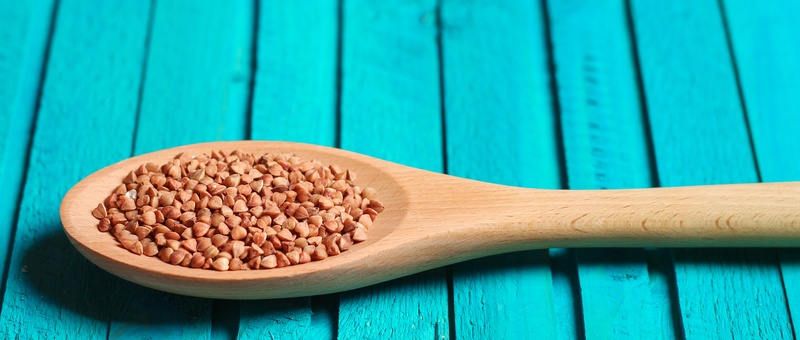
Buckwheat.
Amaranth.
Sorghum.
Teff.
Spelt.
Flax seeds.
Linseeds.
Now, emerging research suggests that ancient grains pack in even more important vitamins, fibre, and protein than our so-called modern whole grains.
For example, one cup (225g) of cooked teff – an ancient grain - contains 7g of fibre and 10g of protein, whereas the same amount of cooked brown rice - a minimally processed modern whole grain - contains 3g of fibre and 5g of protein.
The benefits of ancient grains
According to Patel, eating ancient grains - which are filled with vitamins, minerals, fibre, and protein - is associated with improved digestive health and a lower risk of several serious health conditions.
Help reduce the risk of heart disease
Modern whole grains are very heart healthy when compared to refined grains like white bread and white flour. However, it appears that ancient grains are even better at reducing the risk factors for heart disease.
One study comparing bread made either with modern grains or ancient grains found that only the ancient varieties significantly reduced bad cholesterol, called low-density lipoprotein cholesterol (LDL), and blood sugar levels2.
Help support better insulin control in type 2 diabetes
If you're managing type 2 diabetes, choosing grains that are richer in fibre can help prevent spikes in blood sugar and support better insulin control2. This is because fibre allows you to digest your food more slowly, which in turn slows down the rate at which sugar enters your bloodstream.
May protect against certain cancers
It's possible that unprocessed grains may protect us against certain cancers, according to the American Institute for Cancer Research. According to its study, the chances of developing bowel cancer reduced by 17% with three 90g servings of whole grains a day3.
Currently, there isn't much data on cancer and ancient grains specifically, but it's likely they have a similar - if not greater - protective effect. Whole grains may also reduce the risk of other cancers, including breast cancer, but more research is needed3.
Help with digestion
Most varieties of ancient grains tend to be high in fibre and free from/low in gluten, which makes them easier for our bodies to digest, compared to modern wheat4. This makes ancient grains a good choice if you're prone to digestive problems such as irritable bowel syndrome (IBS), or if you have gluten sensitivity.
How to add ancient grains to your diet
Ancient grains may be more nutritious than modern grains, but all whole grains have important health benefits. There's no need to replace modern whole wheat and corn with a fully ancient grain diet, and you'll probably find this quickly becomes too pricey.
Instead, we should aim to replace the refined grains in our diet with ancient grains and other whole grains, according to Patel. "This means replacing our usual potatoes, rice, and pasta as often as possible," says the dietitian.
Patel's tips for including ancient grains
Breakfast:
Sprinkle chia seeds or linseeds into your porridge, overnight oats, yoghurt, or breakfast cereal.
Use quinoa to make porridge, instead of refined oats.
Add chia seeds or flaxseeds to your morning smoothie.
Make pancakes with buckwheat flour instead of white flour - also gluten-free.
Replace wheat flour in a breakfast muffin with millet flour - also gluten-free.
Lunch and Dinner:
Make a risotto with barley, instead of common risotto rice like arborio and carnaroli rice.
Replace couscous with quinoa or farro in a cold feta salad.
Make a polenta with amaranth, instead of cornmeal.
Add barley to your warm winter vegetable soup.
Try rye bread in a sandwich.
All whole grains, including ancient grains, are carbohydrates. Patel reminds us that this food group should make up roughly one third of the food we eat.
If you're looking to lose weight healthily, all food groups are important, but bear in mind that ancient grains also tend to contain more calories than modern grains.
The key is to keep your portions modest - with ancient grains, you can have less and still get more nutrients and goodness.
References
Patient picks for Nutrition
Diet and nutrition
Simple ways to follow a Mediterranean diet
A Mediterranean diet conjures up an image of fresh fish and colourful salads doused in olive oil, washed down with a glass of red wine - all while sitting in the sun of course. While we may not have reliable sunshine in the UK, we can certainly tap into the wide-ranging health benefits offered by the Mediterranean diet.
by Lynn Stephen

Diet and nutrition
10 sources of plant-based protein for bone health
Plant-based diets are growing in popularity. People choose this way of eating for various reasons - to boost their health, help animals, and protect the environment. But switching to a plant-based diet may mean you're missing out on vital, bone-friendly nutrients. One of these is protein.
by Victoria Raw
About the authorView full bio

Amberley Davis
Senior writer
BA (Hons), CPD
Amberley is a senior writer with Patient and has written extensively on a range of health and wellbeing topics.
About the reviewerView full bio

Dr Colin Tidy, MRCGP
General Practitioner, Medical Author
MBBS, MRCGP, MRCP (Paediatrics), DCH
Dr Colin Tidy is an NHS Doctor, based in Oxfordshire.
Article history
The information on this page is peer reviewed by qualified clinicians.
Article also available in English, German, Spanish, French, Italian, Portuguese, Hindi, Hebrew, Arabic, and Swedish.
Next review due: 17 Aug 2028
17 Aug 2025 | Latest version
28 Nov 2023 | Originally published
Authored by:
Amberley Davis
Join the conversation
Share your thoughts or experiences with others in our patient communities.

Ask, share, connect.
Browse discussions, ask questions, and share experiences across hundreds of health topics.

Feeling unwell?
Assess your symptoms online for free
Sign up to the Patient newsletter
Your weekly dose of clear, trustworthy health advice - written to help you feel informed, confident and in control.
By subscribing you accept our Privacy Policy. You can unsubscribe at any time. We never sell your data.
More in diet and nutrition
- 7 easy and delicious noodle recipes for students
- Are fermented foods worth the hype?
- Are joint pain supplements worth your money?
- Coffee and lemon: fact-checking the TikTok trend
- Do 'superfoods' really exist?
- Do New Year's diets actually work?
- Do ZMA supplements really work?
- How big is a portion?
- How to eat well when it's hard to shop and cook
- How to have a healthier barbecue
- Is it safe for everyone to take probiotics?
- Is the food traffic light labelling system useful?
- PCOS diet: What to eat to manage symptoms
- Recipe: Gluten-free hot cross buns
- Vitamin A-rich foods could protect against skin cancer
- Vitamin B12 deficiency signs you need to know
- What happens to your body after giving up caffeine?
- What is cortisol belly? Why stress could be making it harder to lose belly fat
- What is creatine? Benefits, uses and risks
- What is the planetary health diet?