Acqua di girino - cos'è e ha davvero benefici per la salute?
Revisione paritaria di Dr Colin Tidy, MRCGPAutore Victoria RawPubblicato originariamente 24 Ago 2026
Rispetta le linee guida editoriali
- ScaricaScarica
- Condividi
- Language
- Discussione
- Versione audio
- Aggiungi alle fonti preferite su Google
If you’ve heard of people trying ‘tadpole water’ online, don’t worry. Despite the name, anyone following this viral trend isn’t scooping up buckets of frogspawn and taking them home to drink.
Tadpole water is actually less gross. The term refers to the practice of adding chia seeds to water and drinking the mixture for a range of supposed health benefits. But what are these benefits, and do they actually stack up? We take a closer look.
What is tadpole water?
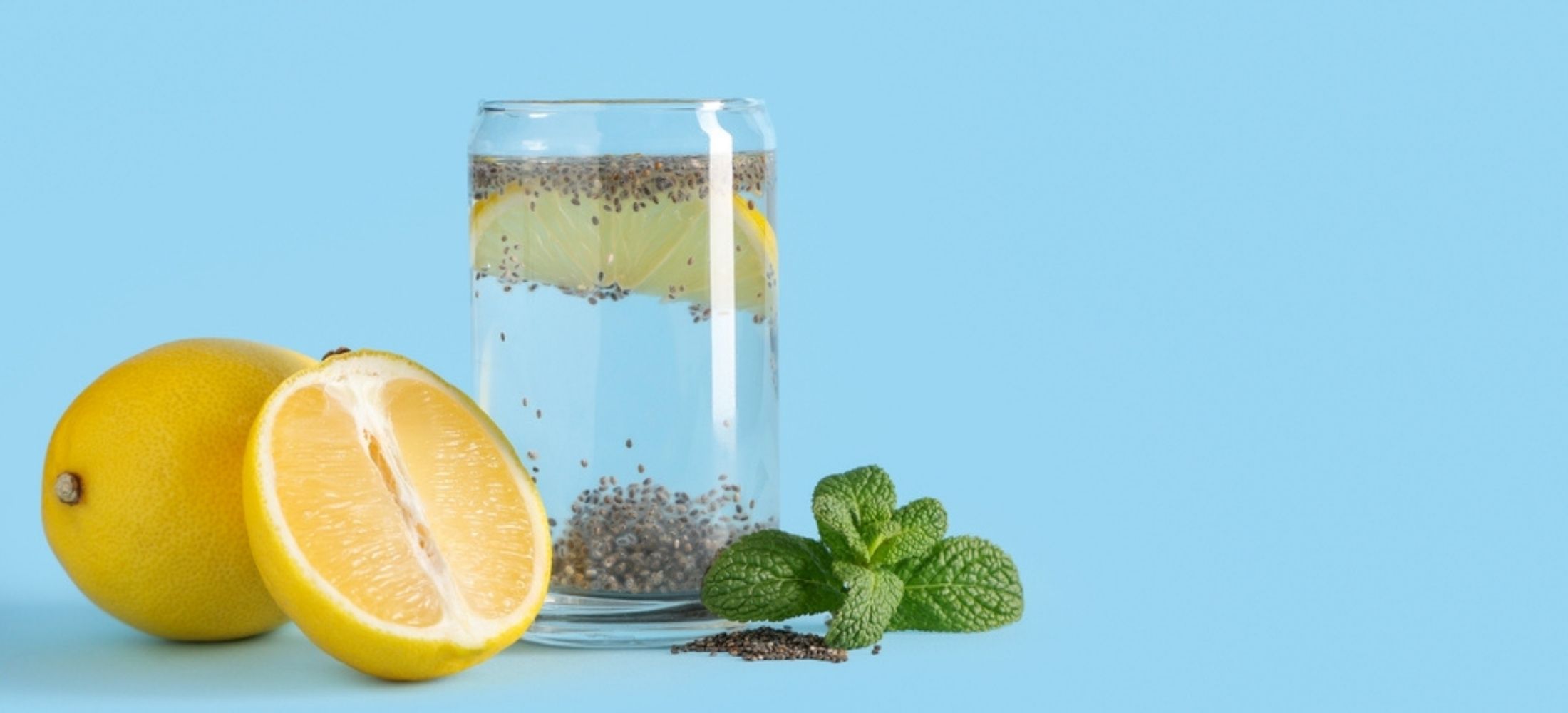
The viral ‘health hack’ of drinking ‘tadpole water’ emerged on TikTok in late 2024. It involves adding chia seeds to water and leaving them to soak, allowing the seeds to absorb the liquid and develop a gel-like coating. Some people also add ingredients such as lemon juice to give the otherwise bland mixture a little flavour.
The name ‘tadpole water’ comes from the appearance of the soaked chia seeds. As they absorb the water, the layer of gel that forms around them makes them look like frogspawn - which, as most of us know, eventually hatches into tadpoles.
How do you make tadpole water?
Avery Zenker is a registered dietitian based in Ontario, Canada. She explains that tadpole water is typically prepared by adding 1 to 2 teaspoons of whole chia seeds to a cup of water, then stirring to make sure all the seeds are submerged.
“It can be ready to drink in as little as 10 minutes," she says. "But you can also wait longer - such as a few hours - if you want the chia seeds to be fully saturated."
The dietitian adds that chia water should be stored in the fridge, as hydrated chia seeds can spoil if they're left at room temperature. She also points out that using too much chia in relation to the amount of water will result in something closer to chia pudding - which, she notes, can also make for a healthy snack.
Avery Zenker
Is tadpole water actually good for you?
Chia seeds are a handy source of nutrients that people often don’t get enough of. These include fibre, magnesium, calcium, iron, omega-3 fatty acids, and polyphenols - plant compounds with antioxidant and anti-inflammatory properties.
However, when deciding whether to try a social media health trend, you should never follow it blindly. While drinking a mixture of water, chia seeds, and lemon juice may not sound particularly dangerous, it’s still important to find out whether it actually offers any health benefits - and whether it’s worth trying at all.
Zenker says that ‘tadpole water’ is claimed to support gut health, promote regular bowel movements, suppress appetite, lower cholesterol, and help with weight loss. However, some of these claims are better supported by evidence than others.
Does it help you stay hydrated?
Drinking water is one of the simplest things you can do to support your overall health. Most adults need around six to eight glasses of water a day to help their bodies function properly.
“Drinking water is essential for survival and optimal health,” says Zenker. “Some people find it challenging to consume adequate quantities of water, so they may find that adding chia seeds helps them enjoy it more and drink more water.”
She notes, however, that there’s limited evidence that consuming chia seeds and water combined is better than having them separately - such as adding chia seeds to oatmeal or a smoothie.
Can it support gut health and blood sugar control?
Chia seeds are a good source of soluble fibre, which can help support your gut health, maintain a diverse microbiome, and keep your bowel movements regular.
“A two-tablespoon serving of chia seeds contains seven grams of fibre, which is 18-30% of your daily minimum fibre recommendations,” says Zenker. “Chia seeds contain polyphenols - specifically flavonoids - which are known to improve gut health and diversity.”
She adds that the nutrients in chia seeds help feed beneficial microbes in your gut, which can encourage the production of short-chain fatty acids (SCFAs). These compounds have anti-inflammatory properties and can help support your gut barrier, metabolism, and overall inflammation levels in your body.
“There’s some data that suggests chia seeds may help lower your blood sugar levels after a meal,” Zenker notes. “But with doses of chia seeds that are larger than what’s usually used in tadpole water.”
Could it help you lose weight?
There’s currently no solid clinical evidence to show that drinking chia water directly helps you lose weight, though it’s unlikely to get in the way of your weight-loss efforts either.
Zenker says that staying hydrated with water and other calorie-free drinks can be helpful when trying to lose weight. Nutrient-dense, fibre-rich foods such as chia seeds can also fit well into a high-fibre, whole-food diet that supports healthy weight loss. Additionally, getting enough fibre as part of your daily intake can help you feel fuller for longer.
However, the evidence on chia seeds and weight loss is mixed, with some studies suggesting they may be beneficial, while others have found little evidence of a strong link.
“Reported benefits of drinking tadpole water probably have more to do with either drinking more water and/or eating more chia seeds rather than specifically drinking them combined,” Zenker explains. “An extra glass of water and a few additional grams of fibre can certainly make a difference.”
Can it help keep your blood pressure healthy?
There is some evidence that chia seeds may help support healthy blood pressure. Studies have also found that they could help reduce cholesterol and triglycerides - a type of fat in your blood that can increase your chance of heart disease when levels are high.
“The soluble fibre in chia seeds can help support cardiovascular health and lower cholesterol levels,” says Zenker. “Chia seeds contain omega-3 essential fats, which are known for their anti-inflammatory benefits on heart health.
“Chia seeds are also free of sugar, very low in carbohydrates, very low in saturated fats, and free of cholesterol and sodium.”
Does tadpole water detox your body?
One of the claims going viral about ‘tadpole water’ is that it can help detox your body by flushing out toxins.
Zenker says there is some truth to the idea that hydration and fibre may support your body’s natural waste-removal processes. Even so, she stresses that no evidence combining water, chia seeds, and lemon juice has any special detoxifying effect.
“Chia seeds don’t need to be mixed with water as a beverage to benefit from their health properties,” she says. “But it is recommended that they are soaked in some way beforehand.”
Who should avoid tadpole water?
According to Zenker, there are certain people who should be a little more careful if they’re considering trying ‘tadpole water’.
If any of the following apply to you, think twice before giving it a go.
People on low-fibre diets - suddenly increasing fibre can trigger temporary bloating, cramps, or gas. Start with a small amount of seeds to let your system adapt.
People susceptible to undereating - because hydrated chia seeds expand and act as an appetite suppressant, they may make it harder for those struggling with malnutrition to get adequate calories.
People with swallowing difficulties (disfagia) - the combination of thin liquid and gelatinous, gel-coated seeds poses a choking hazard.
Those with active digestive flare-ups - people experiencing active symptoms from conditions such as malattia infiammatoria intestinale (IBD) or diverticulitis should consult their doctor before increasing seed or raw fibre intake.
Are there better ways to eat chia seeds?
There are widely recognised advantages to eating chia seeds and drinking water as separate habits. That said, there’s less evidence to suggest that combining the two offers any significant additional health effects.
While drinking ‘tadpole water’ is generally safe for most people, it’s probably not worth the extra effort. You can get the same potential benefits simply by eating chia seeds and staying hydrated as part of your usual routine.
Zenker reiterates that most research into the health effects of chia seeds uses larger amounts than you’d typically find in tadpole water. For this reason, it may be better to choose a recipe that contains more chia seeds.
These can include making chia pudding as a breakfast or snack, oatmeal and overnight oats, smoothies, and chia jam.
“You can also make a seed mix with a variety of seeds - such as chia, pumpkin, sesame, flax, and hemp,” she says. “Chia seeds can be sprinkled on cereal, salads, and toast. Just make sure you’re drinking enough water if you’re eating unsoaked chia seeds.”
The simplest approach may be the best one
Zenker advises that if you want to support a healthy gut and bowel, it’s best to eat a variety of fibre-rich foods, including vegetables, fruit, legumes, whole grains, nuts, and seeds. These provide different types of fibre, polyphenols, and other nutrients that help support a healthy gut microbiome and digestive system.
To promote fullness, make sure you’re getting enough fibre and protein from a variety of foods. Both can also help support stable blood sugar levels.
“For those interested in weight loss, tadpole water likely isn’t a significant needle-mover,” Zenker concludes. “Sustainable weight loss requires a holistic approach that includes a healthy eating pattern, regular exercise, quality sleep, stress resilience, and emotional regulation.
“Plain water is probably the simplest alternative to tadpole water - and one of the healthiest beverages that exists.”
Scelte del paziente per Alimentazione sana
Dieta e nutrizione
Tutto quello che devi sapere sul digiuno di tre giorni con le sardine
Potresti aver sentito parlare di qualcosa chiamato digiuno delle sardine. Nonostante il nome, non si tratta di rinunciare al piccolo pesce argentato. Se fosse così, probabilmente non sarebbe molto di tendenza - dopotutto, chi mangia abbastanza sardine da aver bisogno di una pausa da esse in primo luogo? In realtà, il digiuno delle sardine significa mangiare solo sardine per fino a 72 ore. Esaminiamo più da vicino da dove proviene il digiuno delle sardine, il ragionamento dietro di esso e se questa insolita tendenza salutistica fa davvero quello che promette.
di Victoria Raw
Dieta e nutrizione
Cos'è il fibremaxxing - e quanto è davvero salutare?
Ci sono molte tendenze cosiddette di salute o miglioramento personale che circolano e si basano sull'idea di portare le cose all'estremo, spingendo qualsiasi cosa su cui si concentrano al massimo. Movimenti virali che promettono di spingere tutto 'al massimo' - non solo con una X, ma con due - possono sembrare potenti a prima vista, ma spingersi al limite raramente è l'approccio più salutare per il tuo benessere. Dal Looksmaxxing al Sleepmaxxing, ora abbiamo il Fibremaxxing - ma di cosa si tratta esattamente, ed è davvero discutibile come il resto?
di Victoria Raw
Informazioni sull'autoreVisualizza il profilo completo
Autore

Victoria Raw
Scrittore di articoli
Laurea in Lettere (Hons), Letteratura Inglese
Victoria è una scrittrice di contenuti presso Patient, con interessi speciali che spaziano dal benessere mentale, alle tendenze sociali e all'impatto della tecnologia sulla nostra salute.
Informazioni sul recensoreVisualizza il profilo completo

Dr Colin Tidy, MRCGP
Medico di base, Autore medico
MBBS, MRCGP, MRCP (Paediatrics), DCH
Il Dr Colin Tidy è un medico del NHS, con sede nell'Oxfordshire.
Storia dell'articolo
Articolo disponibile anche in Inglese, Tedesco, Spagnolo, Francese, Italiano, Portoghese, Hindi, Ebraico, Arabo, and Svedese.
Next review due: 24 Aug 2029
24 Ago 2026 | Pubblicato originariamente
Autore:
Victoria RawRevisione paritaria di
Dr Colin Tidy, MRCGP
Partecipa alla conversazione
Condividi i tuoi pensieri o esperienze con gli altri nel nostro comunità di pazienti.

Chiedi, condividi, connettiti.
Esplora le discussioni, fai domande e condividi esperienze su centinaia di argomenti di salute.

Non ti senti bene?
Valuta i tuoi sintomi online gratuitamente
Iscriviti alla newsletter di Patient
La tua dose settimanale di consigli sulla salute chiari e affidabili - scritti per aiutarti a sentirti informato, sicuro e in controllo.
Abbonandoti accetti i nostri Informativa sulla Privacy. Puoi annullare l'iscrizione in qualsiasi momento. Non vendiamo mai i tuoi dati.