
Can taking supplements help manage diabetes?
Peer reviewed by Dr Colin Tidy, MRCGPLast updated by Victoria RawLast updated 2 Mar 2026
Meets Patient’s editorial guidelines
- DownloadDownload
- Share
- Language
- Discussion
- Audio Version
- Add to preferred sources on Google
According to Diabetes UK, some people with diabetes believe that certain vitamins and supplements may help manage their blood sugar levels. While they shouldn't be a substitute for conventional treatment, here’s a look at some of the most commonly used supplements, and their purported benefits.
Sign up for our free 10-week Diabetes course!
Each week, we'll explore a different topic to help you better understand and manage your diabetes, including everyday living and medicines, to mental wellbeing, the latest in diabetes tech, and nutrition.
By subscribing you accept our Privacy Policy. You can unsubscribe at any time. We never sell your data.
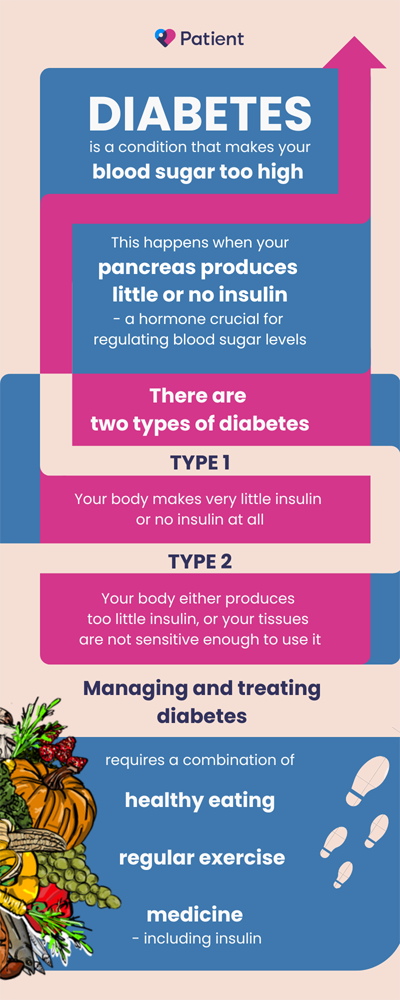
Diabetes is a condition that makes your blood sugar (glucose) too high. This happens when your pancreas produces little or no insulin - a hormone crucial for regulating blood sugar levels.
There are two types of diabetes:
Type 1 - your body makes very little insulin or no insulin at all.
Type 2 - your body either produces too little insulin, or your tissues are not sensitive enough to insulin's effects.
Managing and treating diabetes requires a combination of healthy eating, regular exercise, and medicine - including insulin. Vitamins and supplements are becoming increasingly popular as complementary additions alongside tried and tested diabetes treatments. However, there is limited research - and no solid evidence - to confirm their beneficial effects on diabetes management.
Diabetes
Graphic: Ben Hudson
Supplements and vitamins for diabetes
Pharmacist and nutritional therapist Deborah Grayson, Practice With Confidence, says that any supplement that increases the sensitivity of your body to insulin, or lowers your blood sugar levels, may interact with diabetes medicines.
This could lead to poorer blood sugar control, and could even make complications arising from diabetes worse.
Grayson recommends you seek advice from your doctor, pharmacist, or a registered nutritional therapist before taking supplements alongside your conventional diabetes medicine.
Vitamin B12
Vitamin B12 is often depleted when taking metformin to control type 2 diabetes. A vitamin B12 deficiency can lead to issues with memory and peripheral neuropathy - a condition that affects the nerve signals between your brain and spinal cord.
Grayson says: "Getting a blood test to check your vitamin B12 levels is recommended if you suspect this may be the case."
Magnesium
Low levels of magnesium are often linked to higher blood sugar levels in people with diabetes. For this reason, magnesium is thought to help insulin function better.
Grayson says: "Magnesium supplementation can lower blood pressure and cause diarrhoea, depending on the form in which it is taken. Metformin - a medicine used in the treatment of diabetes - can impact the absorption and retention of magnesium, especially if it's causing diarrhoea."
Zinc
Zinc is believed to boost insulin production, and improve its interactions with your body's cells. It may also reduce inflammation, and protect your pancreas - the organ that makes insulin.
Grayson says: "Despite these reported benefits, there's a chance that zinc could cause nausea in some people. It can also prevent the absorption of medicine - including antibiotics and thyroid treatment. It should be taken at least 2 hours before or after antibiotics, and 4 hours before or after thyroid medicine."
Selenium
A powerful antioxidant, selenium is thought to safeguard your pancreas from damage, enhancing its ability to produce enough insulin.
Grayson says: "Selenium can be toxic if taken over the recommended daily dosage - a maximum of 200 micrograms."
Vitamin D
Vitamin D deficiency has been linked to an increased chance of developing type 2 diabetes. Vitamin D is made by your body in the summer, but you may need to take a supplement during the winter.
Vitamin C
Vitamin C may have a positive effect on blood sugar control and insulin sensitivity. It could also lower inflammation and oxidative stress which could contribute to the development of type 2 diabetes.
Grayson warns that having too much vitamin C can lead to diarrhoea - especially at doses of 1 gram or higher.
Inositol
Inositols are compounds that improve insulin sensitivity and play a role in regulating human reproduction.
Myo-inositol is a supplement that works in a similar way to metformin. It decreases glucose absorption in your digestive system and enhances glucose transport into cells by improving insulin sensitivity.
Grayson says: "Myo-inositol can increase your likelihood of hypoglycaemia. It can also cause digestive upset - such as diarrhoea and bloating."
Berberine
Berberine may increase insulin secretion, and reduce glucose production in your liver, and fat storage.
Grayson says: "Berberine can heighten your chance of hypoglycaemia, and is also blood thinning. It should not be taken if you're on any medicine to thin your blood."
Alpha lipoic acid
Alpha lipoic acid may safeguard the beta-cells in your pancreas which are vital for insulin production.
Grayson adds it could also help your blood sugar reach these cells to reduce insulin resistance, improve blood glucose control and minimise your likelihood of diabetes complications.
Grayson says: "Alpha lipoic acid can cause hypoglycaemia, is blood thinning and can affect thyroid hormone levels."
Gymnema
Research suggests that Gymnema can hinder sugar cravings, lower high blood sugar levels, and support weight loss.
Grayson says: "Gymnema may cause hypoglycaemia and also may interfere with how your liver breaks down medicine. Check with a healthcare professional to make sure your medicine will not be affected."
Chromium
Chromium may boost insulin sensitivity and help maintain blood sugar control.
Grayson says: "Chromium is relatively safe to take in dosages of 100-200 micrograms."
Other treatments for diabetes
Medicine
People with type 1 diabetes need to take insulin - either through injections or an insulin pump. This helps manage blood sugar levels and reduces your chance of serious short and long-term complications.
People with type 2 diabetes will be encouraged to adopt healthier lifestyle changes. If this is not enough, medicine will be recommended.
Grayson highlights some of the most commonly prescribed treatments:
Metformin - slows glucose absorption, reduces liver glucose production, and improves insulin sensitivity.
Sulfonylureas - the most common drug in this class is gliclazide, which boosts insulin production and release from the pancreas, with hypoglycaemia as a potential side effect.
DPP-4 inhibitors - include sitagliptin and linagliptin, which increase insulin and reduce liver glucose production in response to high blood sugar.
SGLT2 inhibitors - also known as gliflozins, such as dapagliflozin, these drugs help remove excess glucose through your pee, and may reduce the chance of kidney damage in type 2 diabetes.
GLP-1 analogues - medicines such as semaglutide and dulaglutide mimic a natural protein that helps the body control blood sugar. GLP-1 analogues are usually given by injection.
A healthy diet
Diabetes UK says that by eating a balanced diet, most people can get all the nutrients they need without extra dietary supplements.
Grayson agrees that healthy eating is vital for keeping your body running smoothly - especially if you have diabetes.
"When thinking about diet with diabetes, it is important to minimise your chance of a spike in blood sugar by choosing complex carbohydrates," she advises. "Opt for whole grains instead of pasta, rice, bread and cakes which are full of simple starches that cause blood sugar to rise quickly."
Eating a balanced proportion of complex carbohydrates with sufficient protein and healthy fats helps keep blood sugar stable longer and increases fullness.
"If you have a sweet treat, then make sure it is at the same time as a well-balanced meal to minimise the impact on your glucose levels," Grayson recommends. "Limit your number of treats to one or two a week."
Regular exercise
Regular exercise also helps improve insulin sensitivity and stabilise your blood sugar.
Grayson says: "A 30-minute walk a day can help get your blood sugar under control. Combining this with better-balanced meals can also support weight management to reduce your chance of diabetes complications."
Patient picks for Diabetes mellitus
Diabetes
What you should know about diabetes burnout
Managing diabetes is a full-time job. It involves a continuous cycle of blood sugar monitoring, medicine management, and proactive planning. Like many challenges in life, the constant need to monitor this health condition can lead to burnout if you don't take steps to recognise, address, and prevent it. This World Diabetes Day, we highlight the importance of self-care, support, and finding the right resources if you’re living with diabetes.
by Victoria Raw

Diabetes
How to snack when you have diabetes
Everyone needs to snack sometimes. But if you have diabetes, it's important to choose something that won't have a big effect on your blood sugar levels. Managing diabetes and snacking doesn't have to be a challenge. We explore the best snacks for those with type 1 and type 2 diabetes and how to avoid hypos.
by Victoria Raw
About the authorView full bio
Updated by

Victoria Raw
Feature Writer
BA (Hons), English Literature
Victoria is a content writer at Patient, with special interests spanning mental wellbeing, societal trends and the impact of technology on our health.
Authored by
Victoria Raw
Feature Writer
BA (Hons), English Literature
Victoria is a content writer at Patient, with special interests spanning mental wellbeing, societal trends and the impact of technology on our health.
About the reviewerView full bio

Dr Colin Tidy, MRCGP
General Practitioner, Medical Author
MBBS, MRCGP, MRCP (Paediatrics), DCH
Dr Colin Tidy is an NHS Doctor, based in Oxfordshire.
Article history
Article also available in English, German, Spanish, French, Italian, Portuguese, Hindi, Hebrew, Arabic, and Swedish.
Next review due: 2 Mar 2029
2 Mar 2026 | Latest version
4 Dec 2024 | Originally published
Authored by:
Victoria Raw
Join the conversation
Share your thoughts or experiences with others in our patient communities.

Ask, share, connect.
Browse discussions, ask questions, and share experiences across hundreds of health topics.

Feeling unwell?
Assess your symptoms online for free
Sign up to the Patient newsletter
Your weekly dose of clear, trustworthy health advice - written to help you feel informed, confident and in control.
By subscribing you accept our Privacy Policy. You can unsubscribe at any time. We never sell your data.