Problemi comuni della pelle: comprendere la tinea versicolor
Revisione paritaria di Dr Krishna Vakharia, MRCGPAutore Amberley DavisPubblicato originariamente 11 Nov 2022
Rispetta le linee guida editoriali
- ScaricaScarica
- Condividi
- Language
- Discussione
- Versione audio
- Aggiungi alle fonti preferite su Google
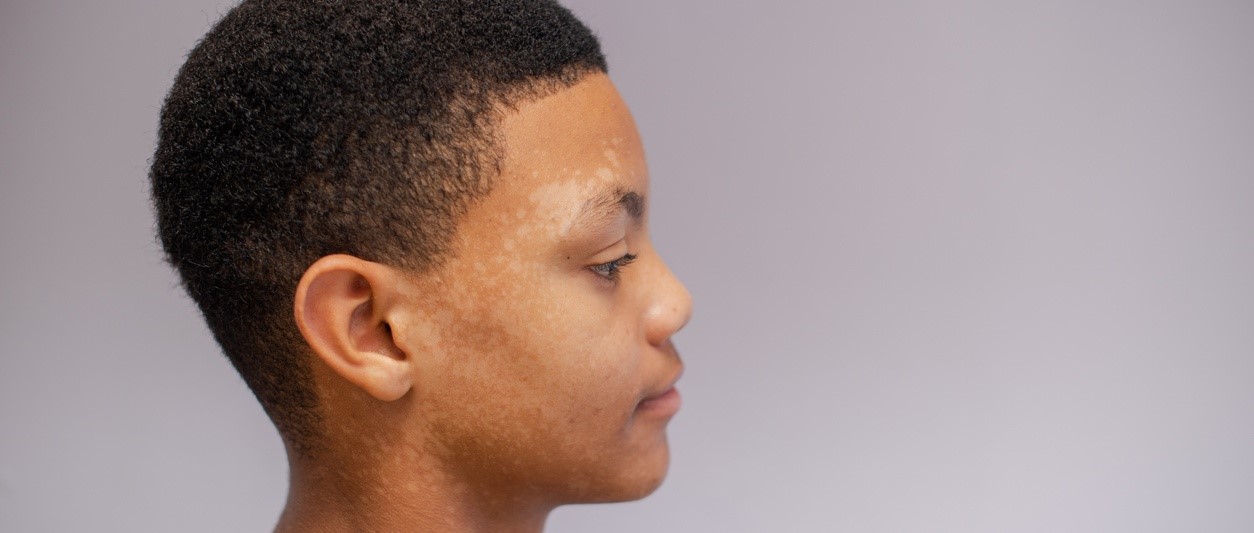
Se hai notato lo sviluppo di un'eruzione cutanea con colori a chiazze sulla tua pelle, potresti avere la tinea versicolor - conosciuta anche come pitiriasi versicolor. Questa comune condizione della pelle può colpire chiunque, indipendentemente da quanto si sia sani e in forma, e può essere gestita con vari trattamenti.
What is tinea versicolor?
Tinea versicolor, or pityriasis versicolour, is a common fungal infection in which the normal skin colour is affected, known as your skin's pigmentation.
This skin condition affects between 1% and 40% of the population, with the higher percentage of cases living in warmer and more humid climates1. Aside from being relatively common, you may have also heard of tinea versicolor through reality TV star Molly-Mae Hague, who took to social media to describe how it has affected her self-confidence.
While this skin complaint may result in stress and self-consciousness, it doesn't hurt or cause any physical damage beyond the rash.
Tinea versicolor is caused by an overgrowth of yeast - tiny harmless organisms that live on everybody's skin. Some people are more prone to the yeast on their skin multiplying - which triggers this skin disease but causes no harm to a person's health2.
How to identify tinea versicolor
The symptoms of tinea versicolor are mainly visual, although some people may experience mild itchiness. Consultant dermatologist Dr Simon Zokaie describes the signs to look out for:
"Tinea versicolor results in patches of discoloured skin that can either appear lighter (hypopigmentation) or darker (hyperpigmentation) to the rest of your skin. Usually, they develop gradually and build up to create larger patches. This condition often affects the shoulders, back, and top of the chest."
On light skin - discoloured patches are usually red, pink, or pale brown.
On dark skin - discoloured patches tend to be paler than the surrounding skin.
How to treat tinea versicolor
Doctors can treat tinea versicolor with antifungal creams, tablets, and shampoos. "These treatments are usually very effective at treating the condition," says Dr Zokaie.
Your FAQs
Is tinea versicolor contagious?
Tinea versicolor is not contagious. The main risk factors are having a weakened immune system, often resulting from illness or pregnancy, and using certain medications, such as antibiotici oppure birth control pills.
Can tinea versicolor cause hair loss?
There is evidence that this skin condition can also cause some people to lose hair - but only directly in the areas of patchy, discoloured skin. In one study, this happened to around 60% of 39 participants3. This hair loss was most common on the forearms, stomach, neck, as well as the beard area in the men.
Can tinea versicolor go away on its own?
Tinea versicolor is much more common in hot and humid climates, which suggests that cooler weather can significantly improve the infection. However, it usually doesn't completely disappear without a course of treatment.
Can tinea versicolor be cured?
Treatment can completely clear up the rash, although it can take several months for your skin tone to return to normal. However, tinea versicolor is a long-term condition, and the problem often returns. According to the National Institute for Health and Care Excellence (NICE), it may return in up to 60% of people in the first year after treatment and up to 80% after two years4.
However, there are some useful methods to help prevent tinea versicolor from returning. One option is to continue using the specialist shampoo after your rash has cleared up - once every 2-4 weeks should be enough. Alternatively, if you find that your rash returns on a regular basis, your doctor may advise you to continue with a course of antifungal tablets.
Remember, if the appearance of tinea versicolor is getting you down, causing lo stress, or affecting your confidence, talking with friends and family can help.
Speaking to our loved ones can often help us to see things from a more positive perspective, as well as show us how little people notice things we may worry about.
Ulteriori letture
Scelte del paziente per Eruzioni cutanee
Salute della pelle, delle unghie e dei capelli
Com'è davvero vivere con la rosacea
When Lex Gillies was 21, she went to the doctor with symptoms she describes as 'unbearable'. Over the previous three years, her always-sensitive skin had become increasingly prone to flushing, and that flushing was taking longer to go down.
di Abi Millar
Salute della pelle, delle unghie e dei capelli
Cosa provoca la comparsa di orticaria sulla nostra pelle?
Hives - also known as urticaria - is a relatively common itchy rash that causes red or white bumps on the skin. According to the British Association of Dermatologists (BAD), it affects around one in five people at some point in their lives, and in around half of cases the trigger is unknown. But, if you're breaking out in hives, here's what could be behind those itchy bumps.
di Sarah Graham
Informazioni sull'autoreVisualizza il profilo completo

Amberley Davis
Scrittore senior
BA (Hons), CPD
Amberley è una scrittrice senior presso Patient e ha scritto ampiamente su una gamma di argomenti relativi alla salute e al benessere.
Informazioni sul recensoreVisualizza il profilo completo

Dr Krishna Vakharia, MRCGP
Direttore Sanitario per la Salute, Optum UK
MBChB, MRCGP(2013), BMedSci (hons), DFSRH, DRCOG, PGDipDerm (Distn)
La Dott.ssa Krishna Vakharia è un medico di base del NHS. È anche un'esaminatrice regolare per il Diploma post-laurea in Dermatologia Pratica presso l'Università di Cardiff, oltre ad essere il Direttore Medico per la salute presso Optum UK.
Storia dell'articolo
Le informazioni su questa pagina sono revisionate da clinici qualificati.
Articolo disponibile anche in Inglese, Tedesco, Spagnolo, Francese, Italiano, Portoghese, Hindi, Ebraico, Arabo, and Svedese.
11 Nov 2022 | Pubblicato originariamente
Autore:
Amberley DavisRevisione paritaria di
Dr Krishna Vakharia, MRCGP

Chiedi, condividi, connettiti.
Esplora le discussioni, fai domande e condividi esperienze su centinaia di argomenti di salute.

Non ti senti bene?
Valuta i tuoi sintomi online gratuitamente
Iscriviti alla newsletter di Patient
La tua dose settimanale di consigli sulla salute chiari e affidabili - scritti per aiutarti a sentirti informato, sicuro e in controllo.
Abbonandoti accetti i nostri Informativa sulla Privacy. Puoi annullare l'iscrizione in qualsiasi momento. Non vendiamo mai i tuoi dati.
Più sulla salute della pelle, delle unghie e dei capelli
- I trapianti di capelli possono migliorare la salute mentale?
- I probiotici promuovono capelli sani?
- Lo shampoo alla caffeina funziona davvero contro la caduta dei capelli?
- La crema idratante con SPF offre una protezione solare sufficiente?
- Lo stress peggiora i problemi della pelle?
- Alimenti che aiutano a migliorare i problemi della pelle
- Come evitare le punture di zecche e la malattia di Lyme
- Come scegliere la crema solare giusta
- Come mantenere i tuoi piedi sani quest'estate
- Come mantenere i tuoi piedi senza problemi
- Come proteggere i tuoi bambini dal sole quest'estate
- Come gestire i problemi della pelle in menopausa
- Come trattare una puntura di vespa
- Come trattare un piercing infetto
- Come l'ambiente influisce sulle condizioni della pelle
- Acne in gravidanza: perché succede e come trattarlo
- Cosa causa la calvizie maschile?
- Cosa fa l'aftersun e ne hai davvero bisogno?
- Cosa fare se vieni punto da un riccio di mare
- Perché gli uomini sono meno propensi a usare la crema solare?