
What does aftersun do and do you really need it?
Peer reviewed by Dr Colin Tidy, MRCGPLast updated by Lynn StephenLast updated 10 Jun 2026
Meets Patient’s editorial guidelines
- DownloadDownload
- Share
- Language
- Discussion
- Audio Version
- Add to preferred sources on Google
Visit any British beach in summertime and you'll likely see a landscape of pink and red sunburned bodies. Spending time in the sun can catch out even the most devoted sun cream wearers from time to time. Aftersun can't reverse sun damage, but its soothing and hydrating ingredients can ease short-term sunburn symptoms.
The benefits of aftersun
You may step out into a sunny day with the best of intentions. Yet, you need only forget to apply enough sunscreen, to reapply, or fail to cover up, and all too easily you have sunburn.
When you notice your skin turning red, stinging, or becoming sensitive to the touch, it's a clear sign that harmful ultraviolet (UV) radiation from the sun has damaged or killed your top layer of skin cells, called the epidermis.
What you may not know is that even a sun-kissed golden brown suntan - where the sun causes your top layer of skin to produce more of the colour pigment melanin - is a sign of irreparable sun damage. There is no such thing as a healthy tan.
While short-term sunburn issues include painful showers and restless nights, long-term consequences range from premature skin ageing to skin cancer. Aftersun can't tackle the latter serious issues, but it can help soothe your skin.
What does aftersun do?
If you're confused about aftersun, you're not alone. Most people have the same questions.
Does aftersun limit skin damage? Is it just another moisturiser? Can it make sunburn pain go away?
Dr Paul Banwell, Director and Founder of The Banwell Clinic and former head of The Melanoma and Skin Cancer Unit (MASCU) in East Grinstead, explains that aftersun moisturises your skin after sunburn. However, it doesn't just have to be used to treat sunburn, as it is really just a moisturiser.
Your skin should ideally be between 20% and 30% water, but sunburnt skin is drained of moisture leaving it feeling dry, irritated, and flaky. Aftersun hydrates and locks more water into your skin.
"Compared to other moisturisers, aftersun does contain additional soothing ingredients that will calm the skin after burning and help reduce redness," Banwell adds. "Aftersun products often contain aloe vera plant extracts, which help replenish moisture lost from exposure to the sun's UV rays."
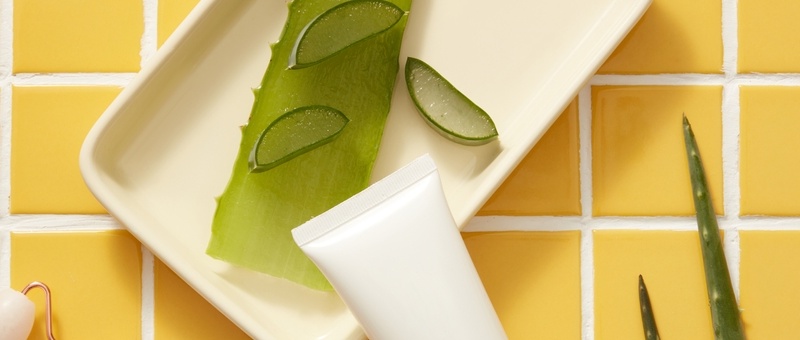
Aloe vera is a plant with special healing powers - its anti-inflammatory properties can help to soothe and cool down hot, stinging sunburn. It's also rich in antioxidants, such as vitamins A, C, and E. This can help to heal the symptoms of sunburn, although it can't reverse UV damage.
The best aftersun might also include cucumber extract. If you've ever used slices of this vegetable on your eyelids, you'll know that it's able to soothe skin and reduce swelling. When applied to sunburn, this can also reduce your pain.
Aftersun limitations
Prevention is better than cure
If there's one thing you should remember about sunburn and aftersun, it's that preventing sun damage is by far the best course of action. Aftersun may be soothing and cooling, but no treatment can repair damage caused by UV radiation.
Banwell says: "Always make sure you follow advice to prevent sunburn, wearing a sun cream with a high sun protection factor (SPF) and staying out of the midday sun."
Allergic reactions to aftersun
As with most lotions and potions, there's a small chance that your skin could be irritated by certain ingredients.
For example:
Cetostearyl alcohol - an alcohol widely used in cosmetics to thicken and stabilise formulas. In rare cases, an allergic reaction can cause eczema (contact dermatitis), an inflammatory skin condition resulting in itchiness and skin rashes. This is more common for people with stasis eczema - a form that affects the lower legs - and for people with leg ulcers.
Phenoxyethanol - a common preservative that occasionally causes skin rashes, and which may irritate people who have eczema.
Aloe vera - this plant is considered safe for most people, but sometimes allergic reactions come in the form of eczema.
If you have sensitive skin or have had allergic reactions to skin products in the past, check the label or ask a pharmacist about any potential irritants if you're unsure.
When aftersun isn't enough
Not all sunburns are the same. In fact, some can be severe and require immediate medical attention.
Consult a doctor immediately if you have blisters or if your sunburn is accompanied by:
Severe pain.
A high temperature or chills.
Confusion.
Feeling or being sick.
These may be signs that you have heatstroke or sun poisoning, both of which can be very dangerous. If you have any of the above symptoms, go to the nearest A&E immediately or call for an emergency ambulance.
When should you apply aftersun?
A good sun care routine in summer involves applying sun cream regularly throughout the day to avoid sunburn and applying aftersun to keep your skin looking and feeling vibrant and healthy. The best aftersun application would be after showering, as washing off sun lotion first and massaging into damp skin will help your skin to lock in more aftersun hydration.
To keep your skin super hydrated, you may wish to apply hyaluronic acid before using aftersun. This helps your skin to draw in even more moisture.
If like many others you find yourself buying aftersun only after you've burnt, you should shower and apply liberally at least every morning and evening - or as often as you like - until your symptoms disappear.
FAQs
Does aftersun help you tan?
Banwell says that aftersun will not help you tan, but it may prolong your tan by moisturising the skin and therefore stopping peeling and making your skin look healthier. He stresses that you don't need aftersun to do this - any moisturiser will help.
Can you use aftersun as a daily moisturiser?
Yes, most aftersun products are very similar to standard moisturisers. In fact, Banwell points out that aftersun is often more lightweight to ensure heat can escape from your skin. It also tends to include fewer perfumes that can potentially irritate wounded skin.
Does aftersun go out of date?
Yes, always check the bottle for its use by date.
"Aftersun, as it is similar to moisturiser, will most likely be fine for a long time, but the longer it has been open, the less effective it will be," explains Banwell.
Should you put on aftersun after using a sunbed?
Banwell warns that sunbeds bring on premature ageing, wrinkling of the skin, eye issues, and a high chance of skin cancer - they are dangerous, giving out greater doses of UV rays than the midday sun. There is a lot of evidence linking sunbed use with skin cancer diagnosis.
"If you do choose to use sunbeds, then using aftersun after a treatment will not do any harm in itself," he adds. "The aftersun will help cool your skin and put back some of the moisture lost during the tanning, but I advise people not to use sunbeds."
Does aftersun help prickly heat?
"Prickly heat causes bumps or blisters to appear in a rash across areas of skin during hot weather," says Banwell. "Aftersun may help the symptoms of prickly heat by cooling and moisturising the skin. Aloe vera can certainly be very soothing for prickly heat."
He suggests taking precautions to avoid prickly heat, such as staying in the shade, keeping hydrated, having cool showers, and wearing loose-fitted clothing.
Remember, regardless of its soothing, hydrating properties, aftersun is no magic formula. We are all human and accidental sunburn happens.
However, you can always try to prevent sun damage in hot weather by:
Wearing protective clothes, sun hats, and sunglasses.
Applying sun cream.
Seeking shade, especially during midday.
Patient picks for Sun and sunburn
Skin, nail and hair health
Is aloe vera good for your skin?
Aloe vera has long been a popular wellness choice for its calming and moisturising effects. Whether harvested directly from the plant itself or bought as a ready-made product, it's a top contender for promoting healthy skin. But what exactly makes this fleshy green succulent so good for our complexion?
by Victoria Raw

Skin, nail and hair health
Should you wear sunscreen even when it's cloudy?
We often only think about sun protection when it's sunny outside. But you still need to take steps to protect your skin even when it's overcast because the UV index can still cause lasting damage. Here's how to protect your skin on cloudy days.
by Lynn Stephen
Frequently asked questions
What is aftersun lotion?
Aftersun lotion is primarily a moisturiser designed to hydrate your skin after sun exposure. While standard moisturisers also hydrate, aftersun often contains additional soothing ingredients like aloe vera and cucumber extract to calm the skin and reduce redness and discomfort caused by sunburn.
How often should I apply aftersun?
If you've experienced sunburn, you should apply aftersun liberally at least every morning and evening, or as often as you like, until your symptoms disappear. For general sun care, it's recommended to apply aftersun after showering as part of your routine. Washing off sun lotion first and massaging aftersun into damp skin helps to lock in more hydration.
Is aftersun better than regular moisturiser?
Aftersun is very similar to standard moisturisers but often contains specific soothing ingredients like aloe vera and cucumber extract to calm sun-exposed skin and reduce redness. It also tends to be more lightweight and generally contains fewer perfumes, which can be beneficial for sensitive or sun-irritated skin. While a regular moisturiser can hydrate, aftersun is formulated with these extra benefits in mind for after-sun care.
Does aftersun help you tan?
Aftersun itself will not directly help you tan. However, by moisturising your skin and preventing peeling, it may help to prolong the appearance of your tan and make your skin look healthier. Any moisturiser can help with this, not just aftersun.
About the authorView full bio
Updated by

Lynn Stephen
Content developer
MA (Hons)
Lynn joined Patient in 2023 and her role includes checking all the professional leaflets, patient information leaflets and medicine leaflets, to ensure consistency of spelling, grammar, reference material and brand style, working with the medical authors and clinical director to coordinate the authoring and peer reviewing of the leaflets.
Authored by

Amberley Davis
Senior writer
BA (Hons), CPD
Amberley is a senior writer with Patient and has written extensively on a range of health and wellbeing topics.
About the reviewerView full bio

Dr Colin Tidy, MRCGP
General Practitioner, Medical Author
MBBS, MRCGP, MRCP (Paediatrics), DCH
Dr Colin Tidy is an NHS Doctor, based in Oxfordshire.
Article history
Article also available in English, German, Spanish, French, Italian, Portuguese, Hindi, Hebrew, Arabic, and Swedish.
Next review due: 10 Jun 2029
10 Jun 2026 | Latest version
2 Aug 2022 | Originally published
Authored by:
Amberley Davis
Join the conversation
Share your thoughts or experiences with others in our patient communities.

Ask, share, connect.
Browse discussions, ask questions, and share experiences across hundreds of health topics.

Feeling unwell?
Assess your symptoms online for free
Sign up to the Patient newsletter
Your weekly dose of clear, trustworthy health advice - written to help you feel informed, confident and in control.
By subscribing you accept our Privacy Policy. You can unsubscribe at any time. We never sell your data.