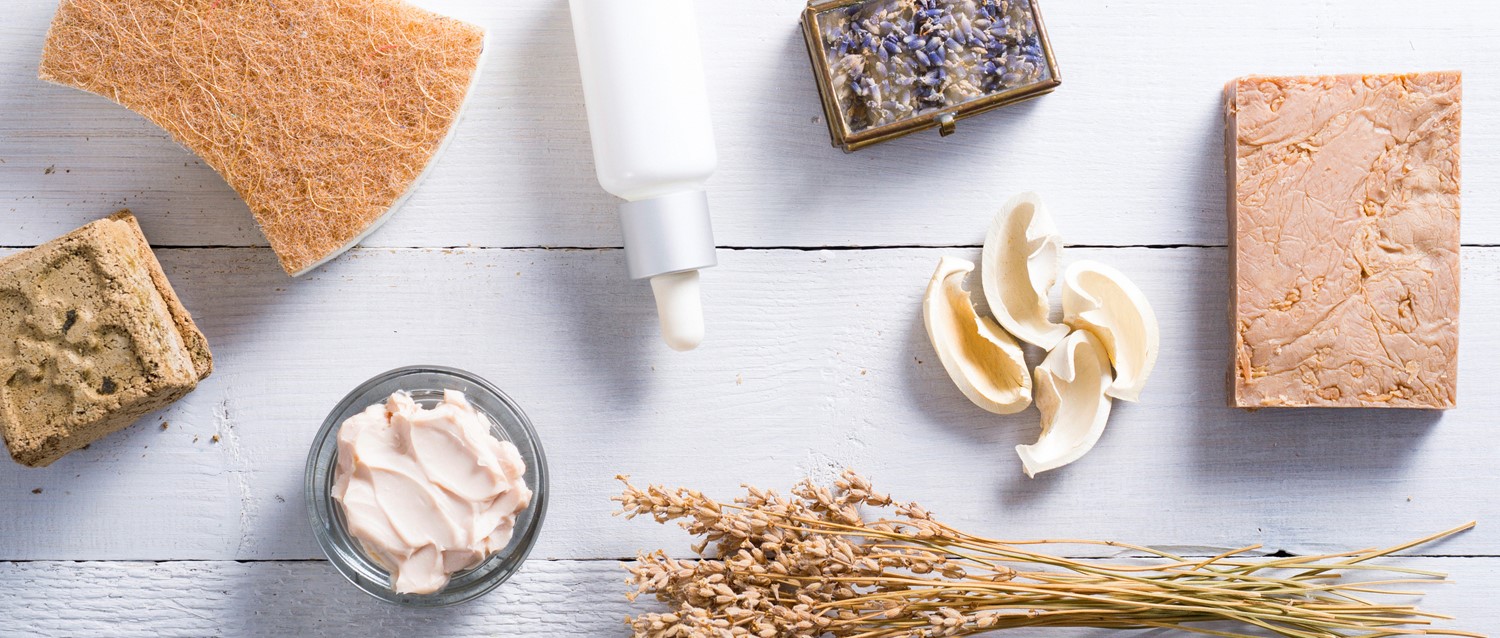
Pregnancy acne: why it happens and how to treat it
Peer reviewed by Dr Sarah JarvisAuthored by Sarah GrahamOriginally published 15 Mar 2019
Meets Patient’s editorial guidelines
- DownloadDownload
- Share
- Language
- Discussion
- Audio Version
- Add to preferred sources on Google
We all know the stereotype of the radiant expectant mother, with her glowing, picture-perfect, clear skin, but the reality of unpredictable pregnancy hormones can be somewhat different.
For women affected by adult acne, not knowing how their skin will react - or how to keep it under control without many of the most commonly prescribed treatments - may be a concern during pregnancy or when planning to conceive. But there are a number of safe options to keep pregnancy acne at bay.
Sign up for our free 8-week Healthy Pregnancy course!
Each week we’ll share useful information and essential tips on topics such as nutrition, exercise, mental health, symptoms to look out for, and preparing for childbirth, to help you navigate your pregnancy journey whatever stage you are at.
By subscribing you accept our Privacy Policy. You can unsubscribe at any time. We never sell your data.
According to dermatologist Dr Anjali Mahto of the British Association of Dermatologists (BAD): "Acne during pregnancy is surprisingly common and, for many, tends to occur during the first and possibly second trimester."
It's triggered by surges of the hormone progesterone, which increases oil production, and she adds: "Dermatologists have noted that pregnant women with acne may be more self-conscious of the change in appearance pregnancy can bring."
For some women, deciding to start a family may mean coming off a combined oral contraceptive pill that's been calming their acne down for years. While this can be a daunting step, dermatologist Dr Sweta Rai of the BAD says: "There really shouldn't be any fear of coming off the pill, or that you won't have any options. Usually, when people are using the oral contraceptive pill to calm down their acne, it's often for mild-to-moderate acne, if that. So yes, pregnancy acne can get worse, but you do have other options available to you."
How pregnancy affects acne
When it comes to how pregnancy will impact on your skin, the sad truth is that it really depends.
"Pregnancy can have a dual effect, depending on your skin type and your hormone levels during pregnancy," Rai explains. "Hormones definitely have an effect on your skin and your hair - often pregnant women do notice a glow and an improvement in their hair - so hormonal influences definitely exist in pregnancy, but it depends on your balance of hormones, which is an individual thing."
It all boils down to the balance between oestrogen and progesterone, which changes cyclically at different phases throughout your pregnancy.
"Some women are more sensitive to that balance, so everyone responds differently," Rai says. "For the majority of women, especially if their acne is mild, I do tend to see it improve during pregnancy, but some people's acne does get worse. There's certainly no guarantee, so don't get pregnant just to improve your skin!"
What not to use for pregnancy acne
First up, it's important to be clear on which acne medications and treatments are absolutely off the table during pregnancy and around conception.
"You must not use treatments such as retinoids (oral or topical), spironolactone, and certain antibiotics during pregnancy, due to a link with birth defects," says Mahto.
Sadly, she adds: "It is more tricky to say what is safe to use during pregnancy, as researchers don't carry out studies on pregnant women. Much of our data therefore comes from animal studies."
As a result, Mahto says: "Most acne treatments during pregnancy should be thought of as 'holding measures'. In an ideal world, if you suffer with troublesome acne it should be treated before conception if pregnancy is on your radar. Of course, this may not always be entirely possible!"
Safe treatments for acne pregnancy
For women who do struggle with acne during their pregnancy, Rai says: "The mainstay is topical treatments. You've got a whole range of over-the-counter face washes, topical antibiotics, and other creams that you can use."
If in doubt, check the quantities of ingredients like salicylic acid, glycolic acid, lactic acid, and benzoyl peroxide on the packaging.
"Over-the-counter face washes containing salicylic acid are considered safe at concentrations of no more than 2% for limited periods of time, but it can be a risk when used in higher concentrations such as in chemical peels, and oral salicylic acid is not safe," says Mahto, who adds that it's always best to discuss with your GP or dermatologist before using salicylic acid.
Over-the-counter alpha hydroxy acids (AHAs) such as glycolic and lactic acid are generally considered safe to use in skincare products, she adds, but high concentrations like those found in chemical peels should be avoided. Likewise, topical benzoyl peroxide is considered safe in concentrations of up to 5%, used in small amounts.
Another good topical option during pregnancy, Mahto says, is topical azelaic acid, which has anti-inflammatory effects and can reduce pigmentation, which is often associated with pregnancy. It can be obtained over the counter in strengths of 10%, or on prescription - Finacea (15%) and Skinoren (20%).
Finally, Rai says, there are also a whole range of low-level light-based treatments for pregnancy acne which women can explore, and certain antibiotics that are known to be safe to a developing fetus.
"The safest antibiotics we use in pregnancy are erythromycin, taken orally, and topical antibiotics such as clindamycin," she explains. "These can be used in combination with topical treatments like benzoyl peroxide, salicylic acid, or lactic acid - but not vitamin A preparations (retinoids), which we would always avoid during pregnancy."
Patient picks for Complications
Pregnancy
Is it safe to take epilepsy medication during pregnancy?
Hannah* was first prescribed sodium valproate to control her epilepsy when she was 13 years old. "At the time, I wasn't told about any of the risks and then I fell pregnant at 16," she says. "The pregnancy miscarried at four months, due to severe abnormalities with the baby, which were caused by my medication." More than 20 years later, UK drug regulator the MHRA last month announced a ban on prescribing sodium valproate to women and girls of childbearing age, unless they sign a form to say they understand the risks.
by Sarah Graham

Pregnancy
How to cope with groin and pelvic pain in pregnancy
Aches and pains in pregnancy are to be expected. After all, you're growing a baby - and the process can take its toll on your body. Pain around the pelvis can be particularly uncomfortable and can make simple tasks like going upstairs difficult. But what causes pain around the groin and pelvis during pregnancy - and what can you do about it?
by Lydia Smith
About the authorView full bio
Authored by

Sarah Graham
Freelance health journalist
MA, Newspaper, Journalism
Sarah Graham is an award-winning freelance health journalist, and founder of the feminist women's health blog Hysterical Women.
About the reviewerView full bio

Dr Sarah Jarvis
Clinical Consultant
MA (Cantab), BM, BCh (Oxon), DRCOG, FRCGP, MBE
After training in medicine at Cambridge and Oxford, Dr Sarah Jarvis MBE became a GP.
Article history
Article also available in English, German, Spanish, French, Italian, Portuguese, Hindi, Hebrew, Arabic, and Swedish.
15 Mar 2019 | Originally published
Authored by:
Sarah GrahamPeer reviewed by
Dr Sarah Jarvis
Join the conversation
Share your thoughts or experiences with others in our patient communities.

Ask, share, connect.
Browse discussions, ask questions, and share experiences across hundreds of health topics.

Feeling unwell?
Assess your symptoms online for free
Sign up to the Patient newsletter
Your weekly dose of clear, trustworthy health advice - written to help you feel informed, confident and in control.
By subscribing you accept our Privacy Policy. You can unsubscribe at any time. We never sell your data.