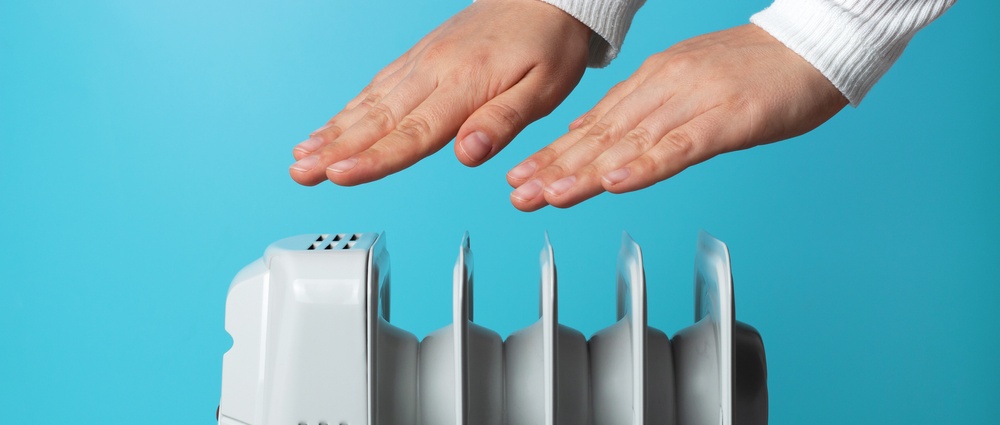
How to deal with Raynaud's in the winter months
Peer reviewed by Dr Colin Tidy, MRCGPLast updated by Lynn StephenLast updated 21 Oct 2025
Meets Patient’s editorial guidelines
- DownloadDownload
- Share
- Language
- Discussion
- Audio Version
- Add to preferred sources on Google
Raynaud's phenomenon is a common condition in which the blood vessels in the extremities - your fingers, toes, ears, or nose - overreact to cold or stress. During winter, how can people with Raynaud's manage their condition?
Winter is here, and that means wrapping up warm. Some people have a harder time with the cold than others.
If you've ever wondered why your hands change colour in response to cold temperatures - accompanied by tingling, pain or numbness - you could be one of the 10 million Brits who are affected by Raynaud's phenomenon.
Identifying Raynaud's
Raynaud's phenomenon - also called Raynaud's disease, Raynaud syndrome or simply Raynaud's - is a condition where the blood vessels in your extremities overreact to cold temperatures. While anyone can be affected, it's more common in women than men, and typically begins between the ages of 15 and 30 years.
Dr Adam Abbs, GP and Global Medical Director at Hurdle, explains that with Raynaud's, your blood vessels go into a temporary spasm, blocking the flow of blood.
"You can usually identify Raynaud's by a change of colour in your fingers, and less commonly, your toes," he says. "For some people, this may also affect the ears, nose, lips or nipples."
In the first stage of a Raynaud’s attack, the skin turns white or yellow in response to the limited blood supply. After a while, the blood vessels reopen and the fingers turn purplish blue.
Abbs explains: "The blood that returns has the oxygen removed from it immediately, so you see the colour of deoxygenated blood, which is blue.
"After a minute or two, normal, oxygenated blood can fill the fingers again, so the colour returns to normal. These changes in oxygenation can cause pain or pins and needles."
Managing the symptoms
Not all people affected by Raynaud's cycle through this spectrum of colour changes, and attacks can vary greatly in severity. However, the symptoms are certainly uncomfortable, and can increase your aversion to cold weather.
In some cases, the symptoms are triggered less by the cold and more by a sudden drop in temperature - the supermarket freezer aisle may even be a trigger. Or you might notice that stress and anxiety tend to exacerbate your symptoms.
Abbs says: "Stress often makes Raynaud's worse, so you should try to keep your stress levels to a minimum. You may want to consider taking up yoga or other exercises to help you relax. This will also help with your circulation."
He explains that other factors that can increase the change of Raynaud's include smoking, exercises requiring gripping - such as cycling - and using vibrating tools.
Dr Fatima Sulaiman, Raynaud's research specialist, adds that while there is currently no cure for Raynaud's, the condition can be managed with practical interventions and does not usually affect someone's quality of life.
She says: "Practical tips include making sure that you wear thick gloves and many thin layers in cold weather.
"Additionally, taking up stress relief practice such as mindfulness has been shown to help manage the stressful conditions that can make the symptoms worse. If you are a smoker, I highly recommend that you seek help in quitting smoking through your doctor or the NHS website."
Scleroderma & Raynaud's UK (SRUK) offers guides such as Warm sleeping tips. These could be particularly useful for breastfeeding mothers, who may experience difficulties - think painful, bloodless nipples - if their Raynaud's is undiagnosed.
When to see your doctor
While in most cases, Raynaud's is little more than an annoyance, for some people it can spell something more serious. Around 300,000 people in the UK are affected by secondary Raynaud's, which can be related to an underlying condition or induced by certain medicines.
Abbs explains that there are two different types of Raynaud's - primary and secondary.
"Primary Raynaud's is usually mild and manageable - it is not associated with any other conditions," he says. "Secondary Raynaud’s is usually caused by autoimmune conditions such as scleroderma or lupus."
Abbs advises that if you are worried about your symptoms, have noticed a change in your symptoms, or have Raynaud's with any other symptoms, you should book an appointment with your doctor.
Sulaiman adds that people with secondary Raynaud's will experience more severe bouts of symptoms, and you should discuss possible treatments with your doctor.
"They may also develop finger/toe ulcers or open wounds on their fingertips, and are more likely to have Raynaud's symptoms throughout the year, rather than just during the cold weather," she says. "There are prescription treatments that are available for people with severe or secondary Raynaud's, such as nifedipine."
In most cases, though, managing your Raynaud's is simply a matter of staying cosy, heating up your home, and investing in some thick socks. The winter months may never be your favourite time of year, but simply being mindful of your triggers can be enough to keep symptoms at bay.
Patient picks for Blood vessels
Heart health and blood vessels
DASH diet - healthy eating that helps lower blood pressure
The DASH diet is a heart-healthy diet that lowers blood pressure and cholesterol. Far from being specialist, this eating plan can benefit many people - whether you're looking to improve poor heart health, manage a related condition, or protect yourself against future health problems.
by Lynn Stephen
Heart health and blood vessels
Can stress cause heart attacks?
While stress alone doesn't directly cause heart attacks, long-term, unmanaged stress can raise your chance of having one. In this article, we explore effective ways to lower your likelihood of heart attack and offer practical tips for managing stress.
by Victoria Raw
About the authorView full bio
Updated by

Lynn Stephen
Content developer
MA (Hons)
Lynn joined Patient in 2023 and her role includes checking all the professional leaflets, patient information leaflets and medicine leaflets, to ensure consistency of spelling, grammar, reference material and brand style, working with the medical authors and clinical director to coordinate the authoring and peer reviewing of the leaflets.
Authored by

Abi Millar
Freelance Journalist
BA (Hons), MA
Abi is a freelance journalist with a special interest in health and medicine writing.
About the reviewerView full bio

Dr Colin Tidy, MRCGP
General Practitioner, Medical Author
MBBS, MRCGP, MRCP (Paediatrics), DCH
Dr Colin Tidy is an NHS Doctor, based in Oxfordshire.
Article history
Article also available in English, German, Spanish, French, Italian, Portuguese, Hindi, Hebrew, Arabic, and Swedish.
Next review due: 21 Oct 2028
21 Oct 2025 | Latest version
12 Nov 2019 | Originally published
Authored by:
Abi Millar
Join the conversation
Share your thoughts or experiences with others in our patient communities.

Ask, share, connect.
Browse discussions, ask questions, and share experiences across hundreds of health topics.

Feeling unwell?
Assess your symptoms online for free
Sign up to the Patient newsletter
Your weekly dose of clear, trustworthy health advice - written to help you feel informed, confident and in control.
By subscribing you accept our Privacy Policy. You can unsubscribe at any time. We never sell your data.