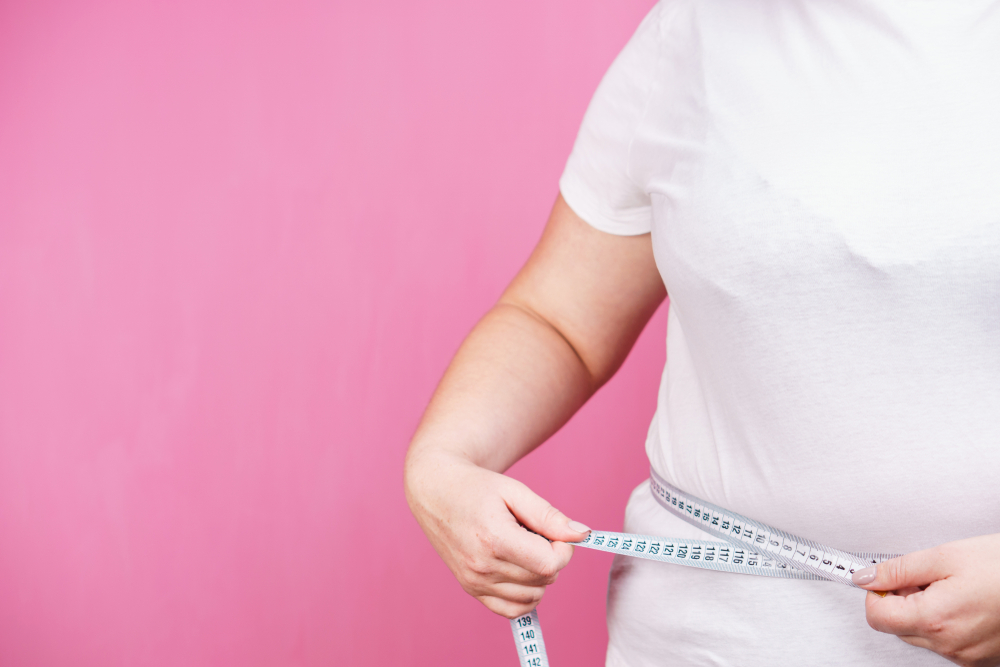
How modern life affects your weight - beyond diet and exercise
Revisione paritaria di Dr Colin Tidy, MRCGPAutore Dr Caroline Butler Pubblicato originariamente 4 Nov 2026
Rispetta le linee guida editoriali
- ScaricaScarica
- Condividi
- Language
- Discussione
- Ask Patient
- Versione audio
- Aggiungi alle fonti preferite su Google
If our bodies are designed to regulate our weight, why are more people living with obesity than ever before?
Our genes haven't changed significantly over recent decades, but our environment, lifestyles, and individual biology all influence how our bodies regulate hunger, burn energy, and store fat.
Understanding these factors can help explain why managing weight is more difficult for some people than others, even when they're trying to make healthier choices.
How do our genes influence our weight?
Our genes influence how likely we are to gain weight by affecting factors such as appetite, metabolism, and fat storage. Research suggests they account for around 40-70% of the differences in BMI between people.1
Although hundreds of genetic variations have been linked to weight, our genes have changed little in recent decades, despite obesità becoming more common.
Our environment and lifestyle also matter. Factors such as nutrition, physical activity, and early-life experiences can affect how our genes work without changing our DNA. These changes, known as epigenetics, may influence weight regulation, although more research is needed.
Your genes can therefore make you more susceptible to weight gain, but they don't determine your weight.
Why does our modern food environment make weight gain easier?
Convenient, inexpensive, and tempting foods are now widely available, making it easier to eat more than your body needs. But weight gain isn't just about what you eat - how quickly you eat, how much you eat, and why you eat also matter.
Foods rich in proteine e fibra tend to keep you feeling full for longer, while meals low in these nutrients may leave you hungry sooner. These foods can also produce a more rapid rise in blood sugar, particularly in people with insulin resistance.
Eating quickly or while distracted can also make it harder to recognise when you're full. Stress, boredom, larger portions, and sugary drinks can further influence how much you eat.2
Do ultra-processed foods contribute to weight gain?
Ultra-processed foods do contribute to weight gain. One study found that people eating an ultra-processed food (UPF) diet consumed around 500 more calories per day than those eating minimally processed foods, despite meals being matched for key nutrients.3
Another study also found greater weight loss with a minimally processed diet than a UPF-rich diet.4
However, not all processed foods are unhealthy. Tinned beans, frozen vegetables, and natural yoghurt can all be nutritious choices.
Our food choices are also shaped by food costs, time, cooking skills, and access to nutritious options.
Understanding these influences helps explain why weight management isn't simply about willpower - and why supportive eating habits and a healthier food environment matter.
How has modern life changed how much energy we burn?
Modern life can reduce how much energy we burn by limiting our everyday movement.
Our bodies use most of their daily energy to keep us alive, including breathing, circulating blood, and regulating body temperature.
Much of the energy we burn through movement comes from everyday activities such as walking, climbing stairs, doing housework, standing, and even fidgeting. However, sitting at work, driving, and spending leisure time on screens can reduce how much we move.
Our ability to stay active is also shaped by our health, work, finances, and access to safe places to walk or exercise.
Regular exercise is important, but so is moving throughout the day. Small changes, such as taking the stairs or breaking up long periods of sitting, can help increase daily movement.
How does poor sleep and stress affect your weight?
Sleep and stress are crucial factors when it comes to managing your weight. Both can influence the complex biological systems that regulate appetite, metabolism, and eating behaviours.
This is why a holistic approach to weight management should include an assessment of sleep quality and stress levels, alongside nutrition and physical activity.
How does poor sleep affect weight?
When you don’t get enough sleep, you often feel hungrier the next day due to the biological impact of sleep deprivation on your appetite.
Research found that sleep restriction increased daily calorie intake by almost 400 calories, while extending sleep reduced it by around 270 calories in adults who usually slept less than 6.5 hours a night.56
Poor sleep can also reduce insulin sensitivity affecting how our bodies regulate blood sugar and our wider metabolic health.
Sleep quality and timing also matter as much as duration. Shift work, disrupted body clocks, insonnia, and apnea del sonno can affect sleep and may contribute to weight gain.
How does stress affect weight gain?
Whilst acute stress can be a helpful response to a dangerous or frightening situation, keeping our bodies alert and responsive, chronic stress can affect our mental and physical health and in particular, our appetite.7
Cortisol, one of our main stress hormones, helps regulate our stress response but can also influence appetite and fat distribution. Whilst some find they lose their appetite when stressed, others find themselves searching for comforting, energy-dense foods.
Stress can also disrupt sleep, reduce motivation to be active, and make it harder to adopt and maintain healthy habits.
Condizioni di salute mentale such as depression, and the impact of weight-related stigma, can add to these challenges, creating a vicious cycle where stress and difficulties managing weight reinforce one another.
Recognising and addressing poor sleep and chronic stress can therefore be an important and often overlooked, aspect of managing weight.
What other factors can influence your weight?
Your weight is also influenced by hormones, medical conditions, and medications, which can affect your appetite, metabolism and how our bodies store fat.
Ormoni
Hormonal changes during puberty, pregnancy, menopause, and ageing can affect your weight and body composition.
Ad esempio:
Menopausa - declining oestrogen levels are associated with increased abdominal fat, particularly visceral fat, which surrounds your internal organs and is linked to insulin resistance and inflammation.
Invecchiamento - muscle loss and changes in sleep and physical activity can affect your metabolism and body composition.
Body fat and hormones - fat tissue produces hormones and converts testosterone into oestrogen. After menopause, it becomes a major source of oestrogen, while excess body fat in men can contribute to lower testosterone levels.
Condizioni mediche
Some medical conditions can also contribute to weight gain by affecting hormone levels, metabolism, or appetite.
Questi includono:
Underactive thyroid - low levels of thyroid hormones can slow down metabolism and contribute to weight gain.
Sindrome dell'ovaio policistico (PCOS) - hormonal imbalances and insulin resistance can make weight management more difficult for some people.
Cushing’s syndrome - excess cortisol, can lead to weight gain, particularly around the abdomen, face, and upper back.
Farmaci
Some medications can affect appetite, metabolism, or fluid retention, potentially contributing to weight changes.
Questi includono:
Oral corticosteroids - can increase appetite and cause fluid retention, potentially leading to weight gain.
Certain antidepressivi - may affect appetite and weight, although the effects vary between medications and individuals.
Antipsicotici - some can increase appetite and affect how your body regulates blood sugar and stores fat.
Pain medications - some may contribute to weight gain through fluid retention, reduced activity or other effects, depending on the medication.
Diabetes treatments - some can cause weight gain by changing how your body uses glucose or by reducing glucose lost through urine.
If you're concerned about unexplained weight changes or think your medication may be affecting your weight, speak to your healthcare professional before making any changes to your treatment.
Can environmental chemicals affect weight?
There is also growing research into the role of environmental chemicals on weight, sometimes referred to as obesogens.
It is thought these may interfere with hormones that control fat storage and metabolism although the extent to which these exposures contribute to weight gain in humans remains the topic of ongoing research.
What should you do if you're struggling to manage your weight?
If managing your weight feels difficult, there are some things you can do that may help.
Puoi:
Look at your habits - consider whether changes to your diet, sleep, stress levels, or daily movement could help.
Inizia in piccolo - focus on one or two realistic changes rather than trying to change everything at once.
Consider your circumstances - your health, hormones, medications, and environment can all affect your weight. You may need to adapt your approach to suit your needs.
Parla con il tuo medico - seek advice if you're experiencing unexplained weight gain, new symptoms, difficulties with eating behaviours, or concerns about medication affecting your weight.
And remember, weight management isn't simply about willpower. Understanding how your biology, environment, and circumstances affect your weight can help you find an approach that works for you in the long term.
Scelte del paziente per Metabolic health
Vita sana
Why do some people regain weight after losing it?
For decades, people living with overweight and obesity have been unfairly labelled lazy or greedy, with weight loss framed as a simple matter of eating less and moving more. But the biology behind body weight is far more complex. Dr Caroline Butler, Chief Clinical Offer at Genwell UK, explores why weight gain and regain aren't personal failings, and how the systems that regulate your weight are linked to wider metabolic health.
by Dr Caroline Butler

Vita sana
Cos'è la salute metabolica - e perché è importante?
Sentirsi stanchi, avere fame poco dopo aver mangiato o faticare a perdere peso può farvi chiedere se ci sia qualcosa che non va nella vostra salute. La salute metabolica potrebbe essere parte del quadro, ma cosa significa esattamente e come potete capire se la vostra è buona?
by Dr Caroline Butler
Ulteriori letture e riferimenti
- Loos RJF & Yeo GSH: The genetics of obesity: from discovery to biology.
- Gough et al: Eating while distracted: a systematic review and meta-analysis of the effect of distraction on concurrent and later energy intake in adults.
- Hall et al: Ultra-Processed Diets Cause Excess Calorie Intake and Weight Gain.
- Dicken et al: Ultraprocessed or minimally processed diets following healthy dietary guidelines on weight and cardiometabolic health.
- Al Khatib et al: The effects of partial sleep deprivation on energy balance: a systematic review and meta-analysis.
- Tasali et al: Effect of Sleep Extension on Objectively Assessed Energy Intake Among Adults With Overweight in Real-life Settings.
- Tomiyama AJ: Stress and Obesity.
Informazioni sull'autoreVisualizza il profilo completo
Autore

Dr Caroline Butler
Chief Clinical Officer at Genwell
MBBS, BSc (Hons), MRCP, MRCGP, PGCert, DipIBLM
Caroline è la Direttrice Sanitaria di Genwell.
Informazioni sul recensoreVisualizza il profilo completo

Dr Colin Tidy, MRCGP
Medico di base, Autore medico
MBBS, MRCGP, MRCP (Paediatrics), DCH
Il Dr Colin Tidy è un medico del NHS, con sede nell'Oxfordshire.
Storia dell'articolo
Articolo disponibile anche in Inglese, Tedesco, Spagnolo, Francese, Italiano, Portoghese, Hindi, Ebraico, Arabo, and Svedese.
Next review due: 4 Nov 2029
4 Nov 2026 | Pubblicato originariamente
Autore:
Dr Caroline ButlerRevisione paritaria di
Dr Colin Tidy, MRCGP
Condividi i tuoi pensieri o esperienze con gli altri nel nostro comunità di pazienti.
Accesso semplice a trattamenti affidabili e servizi sanitari online.
Common conditions
Get help with common conditions through the NHS, without a GP appointment.
 Sinusite acuta
 Tonsillite batterica
 Impetigine
 Punture di insetti
 Fuoco di Sant'AntonioInfezioni delle vie urinarie (IVU)
Iscriviti alla newsletter di Patient
La tua dose settimanale di consigli sulla salute chiari e affidabili - scritti per aiutarti a sentirti informato, sicuro e in controllo.
Abbonandoti accetti i nostri Informativa sulla Privacy. Puoi annullare l'iscrizione in qualsiasi momento. Non vendiamo mai i tuoi dati.