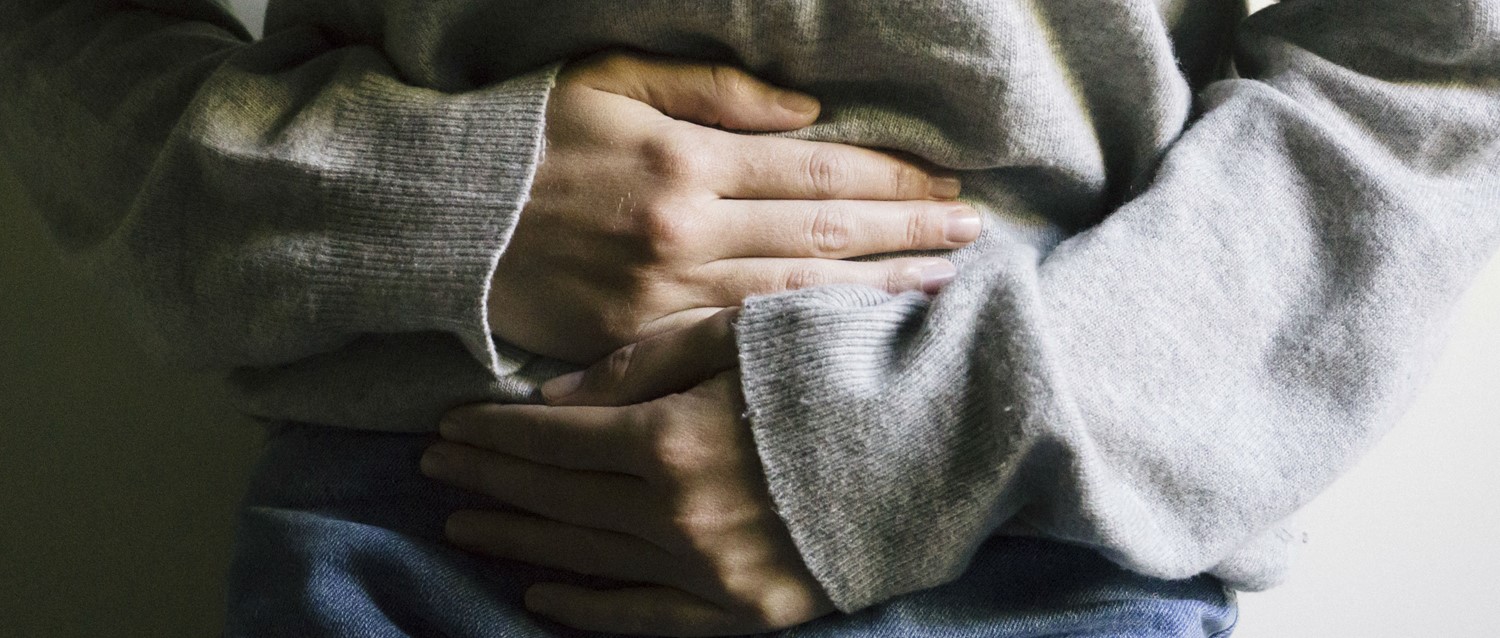
What's causing your lower abdominal pain?
Revisione paritaria di Dr Krishna Vakharia, MRCGPUltimo aggiornamento di Lydia SmithUltimo aggiornamento 12 Set 2023
Rispetta le linee guida editoriali
- ScaricaScarica
- Condividi
- Language
- Discussione
- Versione audio
Pelvic (lower abdominal) pain is a dull, constant ache in bottom of your stomach. Lots of women get it and it can affect your quality of life.
Here are some of the most common causes of pelvic pain in women.
In questo articolo:
Video picks for Dolore addominale
Continua a leggere sotto
Common causes of lower abdominal pain
Periods are the main cause of pelvic pain, particularly during the first couple of days when you may have menstrual cramps or dolori mestruali. You might also get pelvic pain around the middle of your cycle when you ovulate.
These pains vary in how much they hurt, but you should speak to your doctor if they last more than a few days, start before or after your period, or impact your life.
Endometriosi
Severe pelvic pain which is related to your menstrual cycle may be a symptom of endometriosi.
Endometriosis, where cells similar to those found in the womb (uterus) lining are found outside the womb, affects around 1 in 10 women according to Endometriosis-UK. It can cause severe period pain which can effect your day to day life.
It can also cause pain between periods, painful sex, bleeding between periods and problems getting pregnant. Getting diagnosed may take some time, as symptoms can be similar to other common conditions.
Dr Pandelis Athanasias, consultant gynaecologist at the London Women's Centre, says: "On average, endometriosis takes seven and a half years, or 11 visits to the GP, to diagnose."
However, it's important not to just put up with it - speak to your doctor or a gynaecologist about your symptoms and the impact they are having on your life.
Adenomyosis
Athanasias also highlights another condition called adenomyosis - where the tissue that normally lines the womb (endometrial tissue) grows into the womb's muscular wall - which often goes undiagnosed.
This can also cause pelvic pain due to prolonged menstrual cramps, as well as heavy bleeding and pain during sex.
Malattia infiammatoria pelvica
If your pelvic pain isn't related to your cycle and if it's the first time you've had this type of pain, it could be an infection such as malattia infiammatoria pelvica (PID). PID is an infection of a woman's reproductive organs affecting the womb, Fallopian tubes and ovaries.
You may have long lasting (chronic) pelvic pain and a discharge e fever.
Gravidanza
If you are - or could be - pregnant, you should be aware of the following causes of pelvic pain:
Gravidanza ectopica - acute lower abdominal pain possibly accompanied by vaginal bleeding.
Rupture of the corpus luteum - a normal cyst that grows on the ovary every month in women of childbearing age.
Parto prematuro.
See Pelvic Pain in Women per maggiori dettagli.
Other causes of lower abdominal pain
One of the issues with lower abdominal pain is that it can be multifactorial - meaning the pain may be due to several factors, not just one.
"Usually pain can be coming from the urinary tract, the gynaecological tract, the gastrointestinal tract or it could also be a musculoskeletal cause - so you have to look at everything," says Athanasias.
Other causes of lower abdominal pain include ovarian cysts, fibromi, sindrome dell'intestino irritabile (IBS), pelvic congestion syndrome, infezioni del tratto urinario, appendicite e inflammatory bowel diseases, such as Crohn's e colite ulcerosa.
Can anxiety cause lower abdominal pain?
Torna ai contenutiLower abdominal pain can also be triggered by emotions such as stress, ansia e depressione. People who have suffered with disturbo da stress post-traumatico are often at a higher risk of developing chronic pain.
To find the cause of the pain, Gynacologist, Dr Karen Morton, says that she often performs a laparoscopia, a procedure to look inside the abdomen with a camera. She warns people beforehand that they need to prepare themselves to the fact that nothing physical might be found.
"We probably find nothing more often than we find something," says Dr Morton. "There are a number of women who come to the hospital recurrently with pelvic pain.
"Indeed, there's quite a lot of research1 that shows issues such as sexual abuse can lead to women developing lower abdominal pain. And it isn't that it's not real for them, but that there's no identifiable underlying pathology. These women need a pain strategy, as well as psychological support," explains Dr Morton.
Continua a leggere sotto
What should you do about lower abdominal pain?
Torna ai contenutiFirstly, women should seek an appointment with their GP for an initial evaluation and assessment of their condition, especially if the pain is chronic, has been present for three to six months, or if it is affecting their ability to carry out normal daily activities, says Dr Hemlata.
Judy Birch, co-founder of the Pelvic Pain Support Network, says that it's difficult to cope with any recurring pain.
"Treatments vary and will be individual, based on the condition and severity. It may involve medication, surgery, physiotherapy, nerve blocks, psychology, self-management, coping strategies and combinations of any of these at various points in time."
Birch suggests keeping a simple visual diary of when the pain occurs, how long it occurs for and what relieves it, if anything.
"Take this with you when you see a doctor if you're having difficulty getting a diagnosis or managing and coping with the pain. And ask about investigations, such as an ultrasound, and even to be referred to a specialist," she explains.
Ulteriori letture
Torna ai contenutiPatient picks for Dolore addominale

Salute digestiva
Appendicitis in children: what are the signs?
If you think your child has appendicitis, they need medical attention as soon as possible. Here we show you the warning signs of appendicitis in children.
di Amberley Davis

Salute digestiva
What causes nighttime stomach cramps?
Stomach pain - often described as a dull ache in your tummy - can have various causes. It usually doesn't last long, and is generally not serious. Stomach cramps, on the other hand, can differ from the fleeting nature of general stomach pain.
di Victoria Raw
Continua a leggere sotto
Storia dell'articolo
Le informazioni su questa pagina sono revisionate da clinici qualificati.
Next review due: 12 Sept 2026
12 Set 2023 | Ultima versione
29 Jan 2018 | Pubblicato originariamente
Autore:
Karen Gordon

Chiedi, condividi, connettiti.
Esplora le discussioni, fai domande e condividi esperienze su centinaia di argomenti di salute.

Non ti senti bene?
Valuta i tuoi sintomi online gratuitamente
Iscriviti alla newsletter di Patient
La tua dose settimanale di consigli sulla salute chiari e affidabili - scritti per aiutarti a sentirti informato, sicuro e in controllo.
By subscribing you accept our Informativa sulla Privacy. Puoi annullare l'iscrizione in qualsiasi momento. Non vendiamo mai i tuoi dati.