Dieta per il diabete: gestire il diabete di tipo 2
Revisione paritaria di Dr Colin Tidy, MRCGPUltimo aggiornamento di Lawrence HigginsUltimo aggiornamento 20 Giugno 2026
Rispetta le linee guida editoriali
- ScaricaScarica
- Condividi
- Language
- Discussione
- Versione audio
- Aggiungi alle fonti preferite su Google
Se hai il diabete di tipo 2, spesso è difficile sapere quali alimenti dovresti o non dovresti mangiare. Qui spieghiamo gli elementi chiave di una dieta per il diabete per aiutarti a prevenire o ritardare i problemi di salute associati e affrontare alcuni miti comuni sull'alimentazione con il diabete di tipo 2.
Iscriviti al nostro corso gratuito di 10 settimane sul diabete!
Ogni settimana esploreremo un argomento diverso per aiutarti a comprendere e gestire meglio il tuo diabete, inclusi la vita quotidiana e i farmaci, il benessere mentale, le ultime novità nella tecnologia per il diabete e la nutrizione.
Abbonandoti accetti i nostri Informativa sulla Privacy. Puoi annullare l'iscrizione in qualsiasi momento. Non vendiamo mai i tuoi dati.
Is there a special diet for type 2 diabetes?
There is no specific diet to follow if you have diabete di tipo 2 (TD2). It's more about eating regular healthy and balanced meals, in the right amounts, from all the main food groups.
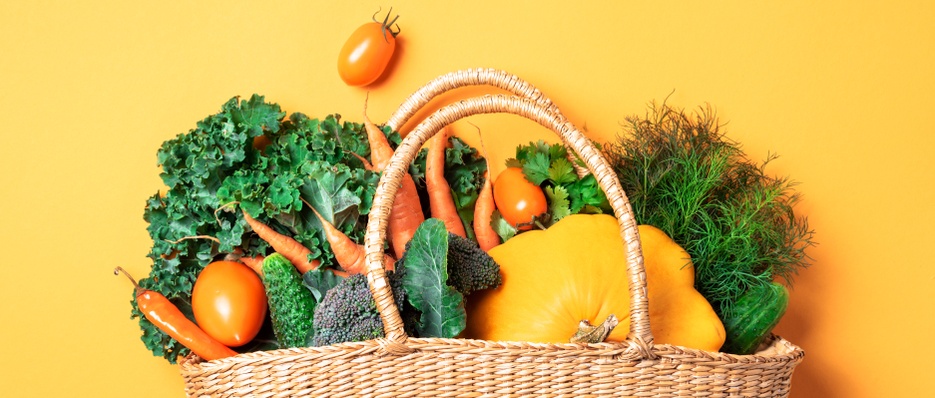
Frutta e verdura
Frutta e verdura can be enjoyed fresh, frozen or tinned in natural juices. Try to include different colours and varieties. Fruits and vegetables are full of vitamins, naturally high in fibra, low in fat and useful for helping weight loss. As fruits are higher in natural sugars, it is best to eat them with something that is high in good fats like Greek yoghurt to slow the surge in sugar in your blood stream. This sugar content means it is also better to eat more vegetables than fruit.
Eating at least five portions per day - aiming for 3 veg and 2 fruit options - can help to reduce your risk of malattie cardiache, and certain tumori. And they taste delicious - so try putting more fruit and veg into your meals or having them as a healthy snack in between?
In general, sticking to a plant-based diet has been found to help lower risk of T2D.
Starchy foods
Starchy foods - such as potatoes, bread, rice, pasta, and other grains - are broken down into simple sugars in the body. They tend to be the body's main fuel source. On average, we get around one half of our total daily calories from this group.
If you have T2D, a low-carbohydrate diet - between 50 g-130 g a day - can help control spikes in your blood sugar or help with perdita di peso. You can be supported by your healthcare professional if this is something you're interested in trying.
Molte persone con T2D hanno scoperto che una dieta a basso contenuto di carboidrati aiuta a mettere il loro T2D in remissione - quando la glicemia è nel range normale - senza usare farmaci .
Importantly, not all starchy foods are broken down in the body the same way. Some foods - particularly 'refined' carbohydrates - are broken down very quickly, resulting in sharp increases in blood sugar. This is not ideal if you have T2D, as it can leave you feeling unwell or sluggish in the short term and lead to complications in the long term if blood sugars are consistently high.
Eating wholegrain carbohydrates - like seeded bread, whole oats, and brown rice - ideally combined with some protein, helps to avoid sharp increases in blood sugar.
The glycaemic index (GI) is a ranking system that determines how slowly a food is broken down in the body. Foods with lower GI numbers release more slowly into the bloodstream. Any changes to your carbohydrate intake should be used in combination with healthy eating.
Protein foods
Protein foods include lean meats, eggs, fish, beans, and pulses.
Protein requirements are the same whether you have diabetes or not. However, if you have type 2 diabetes, you're at higher risk of heart disease. It's therefore advisable to choose lean proteins and prepare food in a way that avoids using lots of fat - like grilling or roasting.
Aim to include 1-2 portions of oily fish - such as salmon, fresh tuna, and sardines - in your diet each week, as they help your heart health.
Plant-based sources of protein, such as beans and pulses - like chickpeas, kidney beans, lentils - are full of a type of fibre that helps to lower blood sugars and cholesterol. This means they can play an important role in helping to manage diabetes.
Dairy and alternatives
Dairy and alternatives - such as milk, yoghurts and cheese - are our main source of calcium and should be included in your daily diet.
It is advisable to opt for full-fat options as they are less processed, or reduce portion sizes. Natural Greek yoghurt sweetened with fruit is an ideal snack or dessert choice.
Grassi e oli
For example, cooking oils, margarines, and butters.
Our bodies need fat, but it needs to be the right type of fat and in small quantities. We rely on our diet for fat-soluble vitamins A, D, E and K, and essential fatty acids.
If you have T2D you should all try to minimise your fat intake. When you do eat fatty foods, swap saturated fat for unsaturated where possible.
Choose healthier fats - such as olive, rapeseed, and sunflower-based oils - which heart healthy (cardioprotective) as opposed to ones high in saturated fats such as lard, ghee, butter, or coconut and palm oil.
Salt and alcohol
It's also important to reduce your intake of salt - choose lower-salt alternatives where possible and consider using spices and herbs to flavour your food naturally.
Keeping an eye on your alcohol intake is important to maintain a healthy lifestyle. Adults are advised not to drink more than 14 units of alcohol each week. You should spread your intake across several days with alcohol-free days in between. If you're pregnant, you should avoid drinking any alcohol.
Do I need to lose weight?
Carrying extra weight plays an important role in the development of T2D.
If you are overweight and have T2D, losing 5-10% of your body weight and maintaining that weight loss can help to manage your diabetes better and reduce your risk of long-term complications.
Research by Diabetes UK shows losing up to 15 kg can put your diabetes into remission.
Domande frequenti
Do I have to choose special diabetes diet foods?
No. There is no evidence to suggest such foods offer any benefit over regular healthy eating.
Am I allowed to eat sweet fruits like bananas, grapes, or mango?
Yes - all fruits are allowed. While fruits do contain natural sugars, these are processed differently in your body to refined sugars. Grapes are very high in sugar, whilst you can still eat them, portions should be smaller.
It's best to avoid eating too much, but fruits can be a great snack especially if they are replacing high-fat and sugary foods like cakes and biscuits.
Fruit juices, fruit smoothies, and dried fruit have higher sugar concentrations and should be consumed in moderation.
Can I have red meat?
Eating high amounts of red meats - in particular processed type meats, such as sausages, bacon, burgers, hot dogs - can increase the risk of certain cancers.
Lean red meat is a good source of protein, iron, zinc, and B12 - so eat it sensibly, not too much or too often. You should eat no more than 70 g of red meat a day - around 5 tablespoons of cooked mince or a small burger.
Do I have to give up sugar forever?
You do not need to cut out all sugar but it is advisable to cut down on refined sugars, foods with added sugars, and highly sweetened foods like soft drinks, chocolate, cakes, and biscuits, especially if your current intake is high.
With or without diabetes, we should all be eating less refined sugars which can contribute to weight gain and obesità, heart disease and dental issues.
Scelte del paziente per Diabete di tipo 2
Diabete
Dieta per il diabete di tipo 2
Il trattamento di prima linea per il diabete di tipo 2 comporta apportare cambiamenti al tuo stile di vita, attraverso la dieta, il controllo del peso e l'attività fisica.
di Dr Colin Tidy, MRCGP
Diabete
Cosa dovresti sapere sul burnout da diabete
Managing diabetes is a full-time job. It involves a continuous cycle of blood sugar monitoring, medicine management, and proactive planning. Like many challenges in life, the constant need to monitor this health condition can lead to burnout if you don't take steps to recognise, address, and prevent it. This World Diabetes Day, we highlight the importance of self-care, support, and finding the right resources if you’re living with diabetes.
di Victoria Raw
Informazioni sull'autoreVisualizza il profilo completo

Sarika Mongia, RD
Dietitian, weight management specialist
RD, PGDip
Sarika is a registered dietitian with over 20 years of experience and specialises in weight management and diabetes.
Informazioni sul recensoreVisualizza il profilo completo

Dr Colin Tidy, MRCGP
Medico di base, Autore medico
MBBS, MRCGP, MRCP (Paediatrics), DCH
Il Dr Colin Tidy è un medico del NHS, con sede nell'Oxfordshire.
Storia dell'articolo
Le informazioni su questa pagina sono revisionate da clinici qualificati.
Articolo disponibile anche in Inglese, Tedesco, Spagnolo, Francese, Italiano, Portoghese, Hindi, Ebraico, Arabo, and Svedese.
Prossima revisione prevista: 20 giu 2029
20 Giugno 2026 | Ultima versione
21 Apr 2021 | Pubblicato originariamente
Autore:
Sarika Mongia, RD

Chiedi, condividi, connettiti.
Esplora le discussioni, fai domande e condividi esperienze su centinaia di argomenti di salute.

Non ti senti bene?
Valuta i tuoi sintomi online gratuitamente
Iscriviti alla newsletter di Patient
La tua dose settimanale di consigli sulla salute chiari e affidabili - scritti per aiutarti a sentirti informato, sicuro e in controllo.
Abbonandoti accetti i nostri Informativa sulla Privacy. Puoi annullare l'iscrizione in qualsiasi momento. Non vendiamo mai i tuoi dati.
Di più sul diabete
- Cambiare le tue abitudini alimentari dopo una diagnosi di diabete di tipo 2
- Monitoraggio continuo del glucosio nel diabete di tipo 1
- Il diabete aumenta il rischio di insufficienza cardiaca, particolarmente nelle donne
- Tecnologia per il diabete
- Come la tecnologia sta cambiando il diabete
- Come mangiare fuori con il diabete
- MHRA approva teplizumab per ritardare la progressione del diabete di tipo 1
- Segni di diabete di tipo 2 trovati in bambini di appena otto anni
- Rallentamento nei casi di diabete di tipo 2
- Seguire una dieta a base vegetale riduce il rischio di diabete di tipo 2
- Prendere il controllo del prediabete
- Comprendere il gergo del diabete
- Video: Come sapere se si ha il diabete di tipo 2?
- Che cos'è la diabulimia?
- Cosa dovresti sapere sul burnout da diabete
- Qual è il legame tra diabete e disturbi alimentari?
- Perché il basso livello di zucchero nel sangue è pericoloso
- Perché i controlli per il diabete di tipo 2 sono così importanti
- Le donne con diabete hanno maggiori probabilità di vivere un parto in utero
- La tua guida essenziale per esercitarti con il diabete