How big is a portion?
Peer reviewed by Dr Sarah JarvisAuthored by Milly EvansOriginally published 17 Jan 2020
Meets Patient’s editorial guidelines
- DownloadDownload
- Share
- Language
- Discussion
- Audio Version
- Add to preferred sources on Google
When it comes to healthy eating, it's not just about what we eat but also how much. As portion sizes have grown over time, many of us are finding it harder to cook balanced, filling meals, without eating too much.
Portion control is "the cornerstone to building good eating habits," says Lucy Perrow, British Dietetic Association spokesperson and registered dietician. "It's about balancing the food groups and finding the portion sizes that are right for you."
Lots of people find it difficult to regulate their portion sizes, whether that's attempting to clear our plates in a restaurant or cooking just a bit too much pasta at home and not wanting to waste it.
"Eating too much or too little of any of the major food groups can be bad for your health," says Perrow. "Identifying the correct portion size allows you to know exactly how many calories, carbohydrates, proteins, or fats you are consuming."
Are portions getting bigger?
Portion control isn't just an individual problem. Culturally, our dietary habits have changed and it's warping the way we view portion sizes.
"Eating out has become more of a habit than a treat and portions when we eat out have changed," says Perrow. "A portion of meat should be approximately 4 oz, yet most people have no problem having a 16 oz steak in a restaurant - that is four times the portion we should eat."
Not only are restaurant portions growing, our overall perception of what a portion is has changed as a result. "We have a belief that we need to eat everything on our plate and, seeing larger portions when eating out, we get used to visualising bigger portions even when cooking at home," she explains.
We tend to eat until we are full - or beyond full - rather than satisfied. Clearing the plate feels more important than stopping when our bodies tell us to. "We should stop eating when we feel satisfied, not when full - this means we have eaten too much," says Perrow. "We also have difficulty recognising satisfaction and fullness as we often eat with distractions - for example, watching TV or eating on the go. We are not listening to our bodies."
If you've ever looked at a portion size on the back of a packet, you might have imagined you'd be left wanting more after eating. But the suggested portions contain the nutrients we need from that food. "I think the portion sizes on packets need to be taken in context with what else you are consuming," says Perrow. "But, in general, they do provide enough nutrients for most people, but we have just become accustomed to larger portions so they seem very small."
How big is a portion?
As a general guide, Perrow suggests that each meal includes:
Per meal
Half a plate of vegetables or salad.
Quarter of a plate of high-quality protein.
Quarter of a plate of complex carbohydrates.
Half a tablespoon of high-fat foods.
How big your portions for each meal are depends on several things: what else you've eaten or are going to eat that day, what else is on your plate and what you're eating for (for example, eating more protein if you're trying to build muscle).
But as a guide, a portion should be:
Carbohydrates
40 g of cereal.
2 small slices of bread.
1 small pitta bread.
75 g of uncooked rice or pasta.
1 medium baked potato (with skin).
Non-dairy proteins
60-90 g of cooked meat (about the size of a deck of cards).
140 g of cooked fish (the size of the palm of your hand).
2 medium-sized eggs.
4 tablespoons of lentils.
A small handful of nuts.
Dairy and dairy-free alternative
A 200 ml glass of milk or fortified soya, rice or oat milk).
A carton of yoghurt or fortified soya yoghurt (125 ml).
30 g of hard cheese (about the size of a matchbox).
Fruit and vegetables
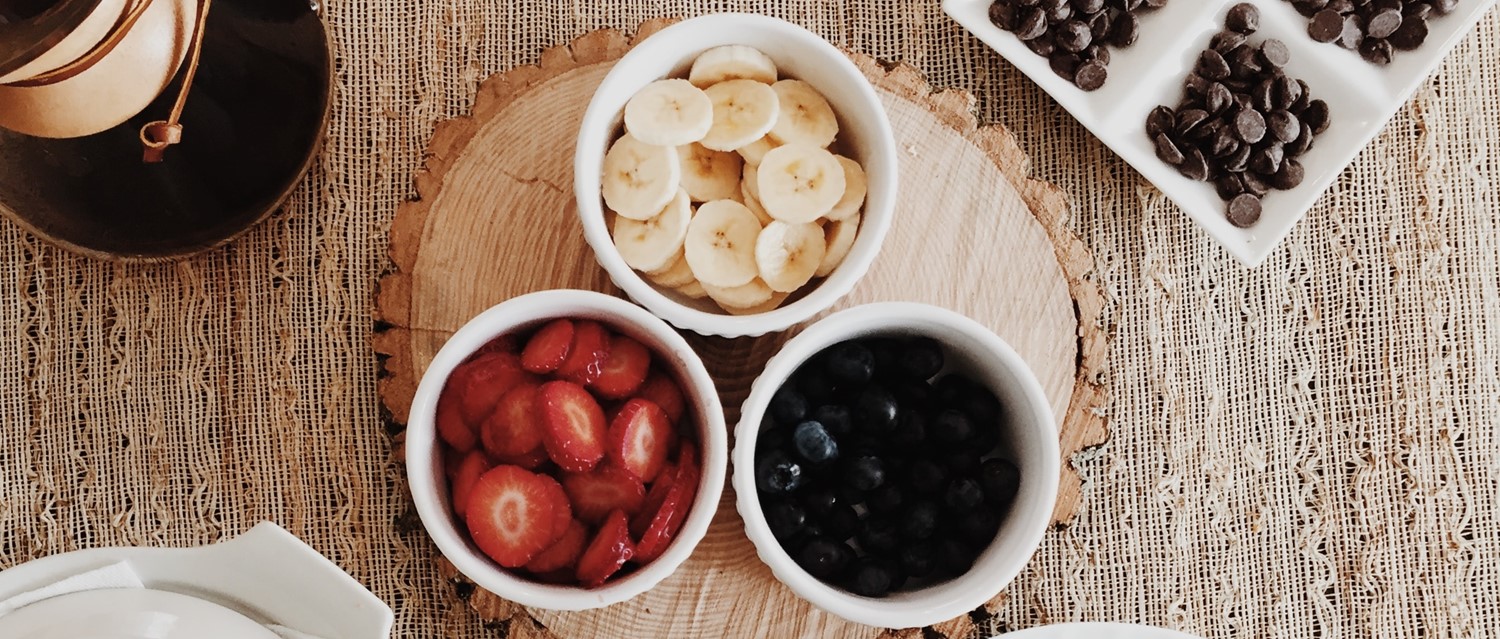
1 medium fruit, such as an apple, an orange, a pear or a banana.
2 small fruits, such as kiwis, satsumas or plums.
A few slices of a larger fruit, such as pineapple or mango.
A large handful of grapes or berries.
3 heaped tablespoons of peas, sweetcorn or carrots.
A dessert bowl of salad.
150 ml of fruit juice or smoothie (maximum of one per day).
30 g of dried fruits.
3 heaped tablespoons of beans or lentils (maximum of one per day).
Fats and oils
1 teaspoon of butter
2 teaspoons of low-fat spread
1 teaspoon of oil (regardless of type of oil)
Tips for sensible portions
Eating sensible portion sizes doesn't have to mean going hungry. Small changes can make a big difference in helping you achieve your healthy eating goals, whether that's weight loss, weight gain or eating a more balanced diet.
Use smaller dinnerware
How we perceive the amount we're eating plays a big role in how satisfied we feel. "Evidence suggests that size of plates, spoons and glasses can unconsciously influence how much food someone eats. For example, using large plates can make food appear smaller - often leading to overeating," explains Perrow.
You could try reducing the size of your plates, bowls and even serving spoons to reduce the amount you're putting on to your plate, and thus prevent overindulging. You can also try portion control dishes which have printed designs to guide portion sizes. "Most people feel just as full having eaten from a smaller dish as from a large one," she says.
Eating out
Just because you're in a restaurant, doesn't mean you have to eat a huge portion. "If you are eating out, you can always ask for a half portion or take half home with you for another day. This will save you a lot of calories and help prevent overeating. Alternatively, you could share a meal with someone or order a starter and side instead of a main dish," says Perrow.
"Other tips include ordering a side salad or vegetables, asking for sauces and dressings to be served separately and avoiding buffet-style, all-you-can-eat restaurants where it's very easy to overindulge."
Mindful eating
Eating mindlessly whilst scrolling on our phones, watching TV or on our commute makes it easier to eat too much and keep eating even once satisfied. This can also cause us to eat too quickly.
"As your brain can take around 20 minutes to register that you are full after eating, slowing down can reduce your total intake," Perrow explains. "Health experts recommend taking smaller bites and chewing every mouthful at least five or six times before swallowing."
You can also be more mindful of your diet as a whole by using a food diary. "Writing down all food and drink intake can increase awareness of the type and amount of foods you're consuming," she says. In studies, keeping a food diary was found to boost overall weight loss.
Don't eat from the container
Ever caught yourself reaching into a big bag of crisps or sweets without even thinking about it? "Jumbo-size packages or food served from large containers encourage overeating and less awareness of appropriate portion sizes," says Perrow.
It's easy to keep eating when the bottom of the bag seems further away. Pouring a portioned amount of your snack into a bowl reduces the chance of going back for more. This also applies to family meals, especially if you've made extra to have another day. Sticking to a set portion makes it less likely that you'll polish off the leftovers afterwards.
The same goes for condiments. It's easy to overdo it on the ketchup or hummus if you're serving straight from the bottle or tub, says Perrow. "Measure these out as you would anything else. A heaped tablespoon of peanut butter, for example, may end up being two tablespoons, doubling your intake from 95 calories to 190 calories."
Patient picks for Healthy eating
Diet and nutrition
Patient's Christmas Cook Off
At Christmas, the food is perhaps more important than the presents. It's an indulgent time, one for turkey with all the trimmings, sprouts laced with cream and bacon, and potatoes roasted in duck fat. Here at Patient, we don't necessarily think you should feel guilty for ditching the diet at this time of year. But there are ways of cooking the Christmas lunch that can make it more nutritious. So we challenged three professional chefs from the Healthy Eating Company to cook healthy versions of roast potatoes, mince pies and stuffing, without sacrificing on taste. Nutritionist Rose Constantine Smith was on hand to help us judge the health content of the chefs' offerings.
by Natalie Healey
Diet and nutrition
Are carbs actually bad for you?
Diet fads have left most of us confused. Take carbohydrates, the stuff that potatoes, pasta, bread and sugary foods are made of. In the 1970s, these were blamed for being fattening. Then starchy carbs were rehabilitated and health officials advised that these should provide at least half our daily calories. Now, carbs seem to be the enemy again according to some. So, where does that leave us now?
by Dr Carrie Ruxton, PhD, Child Nutrition
About the authorView full bio
Authored by

Milly Evans
Editor
Milly writes on a range of health topics, with a particular interest in health inequality and sexual health.
About the reviewerView full bio

Dr Sarah Jarvis
Clinical Consultant
MA (Cantab), BM, BCh (Oxon), DRCOG, FRCGP, MBE
After training in medicine at Cambridge and Oxford, Dr Sarah Jarvis MBE became a GP.
Article history
Article also available in English, German, Spanish, French, Italian, Portuguese, Hindi, Hebrew, Arabic, and Swedish.
17 Jan 2020 | Originally published
Authored by:
Milly EvansPeer reviewed by
Dr Sarah Jarvis
Join the conversation
Share your thoughts or experiences with others in our patient communities.

Ask, share, connect.
Browse discussions, ask questions, and share experiences across hundreds of health topics.

Feeling unwell?
Assess your symptoms online for free
Sign up to the Patient newsletter
Your weekly dose of clear, trustworthy health advice - written to help you feel informed, confident and in control.
By subscribing you accept our Privacy Policy. You can unsubscribe at any time. We never sell your data.