Lipoma
Revisione paritaria di Dr Hayley Willacy, FRCGP Ultimo aggiornamento di Dr Doug McKechnie, MRCGPUltimo aggiornamento 13 Lug 2023
Rispetta le linee guida editoriali
- ScaricaScarica
- Condividi
- Language
- Discussione
- Versione audio
A lipoma is a non-cancerous (benign) fatty lump that usually causes no symptoms or problems. Most lipomas are small and can be left alone. However, a lipoma that develops under the skin can sometimes look unsightly. If required, it can be removed by a simple operation done under local anaesthetic.
In questo articolo:
Video consigliati per Altri problemi della pelle
Continua a leggere sotto
Che cos'è un lipoma?
A lipoma is a soft fatty lump. It is a non-cancerous (benign) growth made up from fat cells that clump together. A lipoma can occur in any part of the body where there are fat cells.
Lipoma sottocutaneo superficiale
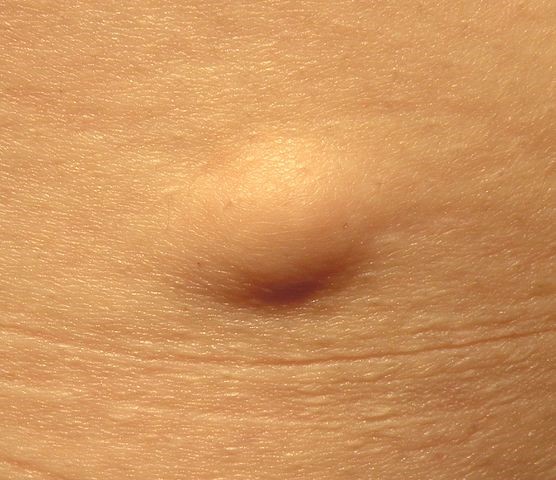
© Di Jmarchn (Opera propria), tramite Wikimedia Commons
Lipomas typically feel soft and can be felt to move slightly under your skin when you press on them.
Lipomas under the skin are the most common
Lipomas often form in the fatty tissue under the skin. These are also the most noticeable ones, as they look and feel like soft, dome-shaped lumps under the skin. They vary in size from pea-sized to several centimetres in diameter.
The most common sites where lipomas develop are on the shoulders, the chest and the back. However, other areas of the skin can develop a lipoma.
Other parts of the body
Lipomas can less commonly form inside the body too. However, in most of these cases you will not be aware that you have a lipoma, as you cannot see them and they rarely cause any problems.
What are the symptoms of a lipoma and are they harmful?
Torna ai contenutiIn themselves, lipomas are not serious and most lipomas cause no symptoms or problems. Usually if you have a lipoma, it does not cause any symptoms but you notice a painless lump. Lipomas grow very slowly.
Sometimes a lipoma under the skin can be unsightly if it grows to be several centimetres across. Rarely, a lipoma may press on another structure and cause problems. For example, if one presses on a nerve it may cause pain.
Also, rarely, a lipoma may develop in the gut wall and cause problems such as pain or a blockage of the gut.
Sometimes a scan or other investigation that is done for other reasons may detect a lipoma inside the body by chance. There is a condition called familial multiple lipoma in which groups of fat cells occur under the skin and then produce multiple fatty lumps. This is an uncommon condition and runs in families.
When to see your doctor about a lipoma
If you are concerned about a lipoma which has started to increase in size you should consult your doctor.
Nota: lipomas are benign (non-cancerous).
There is a type of cancer, called a liposarcoma, which can sometimes be difficult to tell apart from a lipoma. Liposarcomas tend to be large (over 5cm in size) and grow rapidly.
There is some debate amongst researchers about whether or not lipomas have the potential to turn into cancers (such as liposarcomas) over time.
Generally, it's felt that the risk of a lipoma turning into a cancer is exceptionally low. Many researchers believe that lipomas can't turn into cancers at all.
Continua a leggere sotto
What causes lipoma?
Torna ai contenutiWe don't know exactly what causes lipomas to form.
Some people think that injuries to the skin might occasionally cause a reaction in the skin that leads lipomas to form.
In some people, lipomas seem to be linked to genetics. There are several - fairly rare - genetic conditions where people develop multiple lipomas in their body.
Most people with lipomas, though, don't have any underlying genetic condition.
How common are lipomas?
Torna ai contenutiAnyone can develop a lipoma at any age. Lipomas are common. Some people inherit a tendency to develop lipomas and may have several on different parts of the body. Sometimes as many as 20 or more develop. However, it is more common to develop just one or two.
Lipomas can occur in people who are normal weight as well as in people who are overweight.
Continua a leggere sotto
Diagnosing lipoma
Torna ai contenutiOften your doctor will be able to diagnose a lipoma from its typical appearance, and no tests will be needed. In some cases, a scan may be needed to confirm whether your lump is a lipoma. This may be:
Do I need any treatment for a lipoma?
Torna ai contenutiUsually not. If you are not bothered by a lipoma that develops then it is best just to leave it alone. However, some people want lipomas that are unsightly to be removed for cosmetic reasons. For example, if they occur on the face.
Removal of a lipoma for cosmetic reasons alone is usually not funded on the NHS.
Occasionally, a lipoma needs to be removed if it is causing symptoms - for example, by pressing on another part of the body. Sometimes if the diagnosis is not clear, a lipoma is removed to look at under the microscope. This is to make sure the growth that has been detected is a lipoma and not something more serious. For example, rapidly-growing or very large lipomas might be removed to ensure they aren't actually a type of cancer, called a liposarcoma.
For a lipoma that forms under the skin, usually it can be removed by a simple minor operation. Some local anaesthetic is injected into the skin over the lipoma. Once the overlying skin is numbed by the local anaesthetic, a cut (an incision) is made over the lipoma. The lipoma is then removed and cut away from the underlying tissue. The wound is then stitched up. A fine scar will be left.
Iniezioni di steroidi and liposuction are sometimes used as alternatives to surgery.
Scelte dei pazienti per Altri problemi della pelle

Salute della pelle, delle unghie e dei capelli
Ulcere cutanee
Un'ulcera è una rottura della pelle, attraverso la quale si possono vedere i tessuti sottostanti. Di solito c'è un problema che influisce sulla normale guarigione della pelle. Esistono diversi tipi di ulcere cutanee. Il trattamento può variare a seconda del tipo di ulcera.
di Dr Doug McKechnie, MRCGP

Salute della pelle, delle unghie e dei capelli
Verruche seborroiche
Le verruche seborroiche sono escrescenze verrucose non cancerose (benigne) che si verificano sulla pelle. Di solito non necessitano di alcun trattamento.
di Dr Colin Tidy, MRCGP
Ulteriori letture e riferimenti
- Weerakkody Y et al; Liposarcoma, Radiopaedia.org
- Abd Rabou A et al; Lipoma; Radiopaedia.org
Continua a leggere sotto
Storia dell'articolo
Le informazioni su questa pagina sono scritte e revisionate da clinici qualificati.
Prossima revisione prevista: 11 Lug 2028
13 Lug 2023 | Ultima versione

Chiedi, condividi, connettiti.
Esplora le discussioni, fai domande e condividi esperienze su centinaia di argomenti di salute.

Non ti senti bene?
Valuta i tuoi sintomi online gratuitamente
Iscriviti alla newsletter di Patient
La tua dose settimanale di consigli sulla salute chiari e affidabili - scritti per aiutarti a sentirti informato, sicuro e in controllo.
Abbonandoti accetti il nostro Informativa sulla Privacy. Puoi annullare l'iscrizione in qualsiasi momento. Non vendiamo mai i tuoi dati.