Lipoma
Peer reviewed by Dr Hayley Willacy, FRCGP Last updated by Dr Doug McKechnie, MRCGPLast updated 13 Jul 2023
Meets Patient’s editorial guidelines
- DownloadDownload
- Share
- Language
- Discussion
- Audio Version
- Add to preferred sources on Google
A lipoma is a non-cancerous (benign) fatty lump that usually causes no symptoms or problems. Most lipomas are small and can be left alone. However, a lipoma that develops under the skin can sometimes look unsightly. If required, it can be removed by a simple operation done under local anaesthetic.
At a glance
A lipoma is a soft, fatty, non-cancerous lump that forms under the skin.
They are usually painless, grow slowly, and are often found on the shoulders, chest, or back.
Lipomas typically feel soft and can be moved slightly under the skin.
Most lipomas do not cause problems and do not need treatment.
See your doctor if a lipoma increases in size.
What is a lipoma?
A lipoma is a soft fatty lump. It is a non-cancerous (benign) growth made up from fat cells that clump together. A lipoma can occur in any part of the body where there are fat cells.
Superficial subcutaneous lipoma
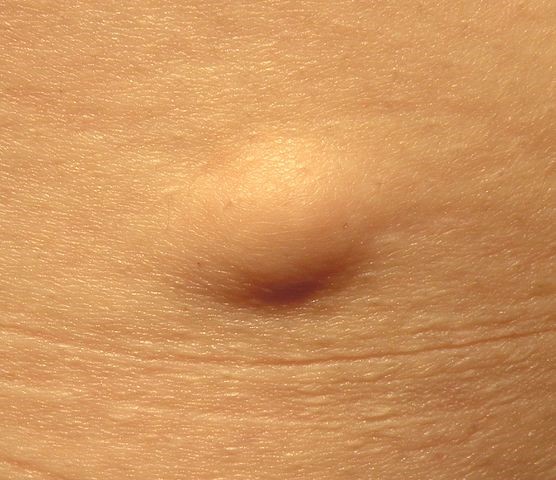
© By Jmarchn (Own work), via Wikimedia Commons
Lipomas typically feel soft and can be felt to move slightly under your skin when you press on them.
Lipomas under the skin are the most common
Lipomas often form in the fatty tissue under the skin. These are also the most noticeable ones, as they look and feel like soft, dome-shaped lumps under the skin. They vary in size from pea-sized to several centimetres in diameter.
The most common sites where lipomas develop are on the shoulders, the chest and the back. However, other areas of the skin can develop a lipoma.
Other parts of the body
Lipomas can less commonly form inside the body too. However, in most of these cases you will not be aware that you have a lipoma, as you cannot see them and they rarely cause any problems.
What are the symptoms of a lipoma and are they harmful?
In themselves, lipomas are not serious and most lipomas cause no symptoms or problems. Usually if you have a lipoma, it does not cause any symptoms but you notice a painless lump. Lipomas grow very slowly.
Sometimes a lipoma under the skin can be unsightly if it grows to be several centimetres across. Rarely, a lipoma may press on another structure and cause problems. For example, if one presses on a nerve it may cause pain.
Also, rarely, a lipoma may develop in the gut wall and cause problems such as pain or a blockage of the gut.
Sometimes a scan or other investigation that is done for other reasons may detect a lipoma inside the body by chance. There is a condition called familial multiple lipoma in which groups of fat cells occur under the skin and then produce multiple fatty lumps. This is an uncommon condition and runs in families.
When to see your doctor about a lipoma
If you are concerned about a lipoma which has started to increase in size you should consult your doctor.
Note: lipomas are benign (non-cancerous).
There is a type of cancer, called a liposarcoma, which can sometimes be difficult to tell apart from a lipoma. Liposarcomas tend to be large (over 5cm in size) and grow rapidly.
There is some debate amongst researchers about whether or not lipomas have the potential to turn into cancers (such as liposarcomas) over time.
Generally, it's felt that the risk of a lipoma turning into a cancer is exceptionally low. Many researchers believe that lipomas can't turn into cancers at all.
What causes lipoma?
We don't know exactly what causes lipomas to form.
Some people think that injuries to the skin might occasionally cause a reaction in the skin that leads lipomas to form.
In some people, lipomas seem to be linked to genetics. There are several - fairly rare - genetic conditions where people develop multiple lipomas in their body.
Most people with lipomas, though, don't have any underlying genetic condition.
How common are lipomas?
Anyone can develop a lipoma at any age. Lipomas are common. Some people inherit a tendency to develop lipomas and may have several on different parts of the body. Sometimes as many as 20 or more develop. However, it is more common to develop just one or two.
Lipomas can occur in people who are normal weight as well as in people who are overweight.
Diagnosing lipoma
Often your doctor will be able to diagnose a lipoma from its typical appearance, and no tests will be needed. In some cases, a scan may be needed to confirm whether your lump is a lipoma. This may be:
Do I need any treatment for a lipoma?
Usually not. If you are not bothered by a lipoma that develops then it is best just to leave it alone. However, some people want lipomas that are unsightly to be removed for cosmetic reasons. For example, if they occur on the face.
Removal of a lipoma for cosmetic reasons alone is usually not funded on the NHS.
Occasionally, a lipoma needs to be removed if it is causing symptoms - for example, by pressing on another part of the body. Sometimes if the diagnosis is not clear, a lipoma is removed to look at under the microscope. This is to make sure the growth that has been detected is a lipoma and not something more serious. For example, rapidly-growing or very large lipomas might be removed to ensure they aren't actually a type of cancer, called a liposarcoma.
For a lipoma that forms under the skin, usually it can be removed by a simple minor operation. Some local anaesthetic is injected into the skin over the lipoma. Once the overlying skin is numbed by the local anaesthetic, a cut (an incision) is made over the lipoma. The lipoma is then removed and cut away from the underlying tissue. The wound is then stitched up. A fine scar will be left.
Steroid injections and liposuction are sometimes used as alternatives to surgery.
Patient picks for Other skin conditions

Skin, nail and hair health
Burns and scalds
Following a burn or scald, make sure that you and the affected person are safe from further burns or danger - then cool a burnt or scalded area immediately with cool running water for at least 20 minutes. This leaflet also gives further advice. The vast majority of burns and scalds are caused by accidents. However, occasionally burns and scalds can be caused deliberately, especially in children and vulnerable adults. If you have any concerns about this then you should report it to the relevant authorities, who can investigate further. You can do this anonymously if you are afraid to leave your name.
by Dr Toni Hazell, FRCGP

Skin, nail and hair health
Seborrhoeic warts
Seborrhoeic warts are non-cancerous (benign) warty growths that occur on the skin. They usually do not need any treatment.
by Dr Colin Tidy, MRCGP
Frequently asked questions
Can I prevent lipomas from forming?
The exact cause of lipomas is not known, so there aren't specific ways to prevent them. Some people believe that skin injuries might play a role, and genetics can also be a factor in some cases, but most people with lipomas do not have an underlying genetic condition.
How fast do lipomas typically grow?
Lipomas are known to grow very slowly. This slow growth is a characteristic feature of these benign lumps.
What is familial multiple lipoma?
Familial multiple lipoma is an uncommon condition where groups of fat cells develop under the skin, leading to numerous fatty lumps. This condition tends to run in families.
If I have multiple lipomas, does that mean they are more serious?
No, having multiple lipomas does not necessarily mean they are more serious. Some people inherit a tendency to develop several lipomas in different parts of the body, sometimes as many as 20 or more. Even in these cases, lipomas are generally not serious and cause no symptoms or problems.
Further reading and references
- Weerakkody Y et al; Liposarcoma, Radiopaedia.org
- Abd Rabou A et al; Lipoma; Radiopaedia.org
About the authorView full bio

Dr Doug McKechnie, MRCGP
Medical Writer
MA, MBBS, MSc, DRCOG, MRCP(UK), MRCGP(2021), FHEA
Dr Doug McKechnie is an NHS GP working in London. He works full-time clinically and is also the Deputy Lead for the Clinical and Professional Practice module at University College London Medical School.
About the reviewerView full bio

Dr Hayley Willacy, FRCGP
General Practitioner, Medical Author
MBChB (1992), DRCOG, DFFP, MRCOG (Part 1) MRCGP (2007), DFSRH (2013), MSc - medical education (2020)
Dr Hayley Willacy was an NHS GP working in northwest England, who retired from clinical practice in 2022 after 30 years.
Article history
The information on this page is written and peer reviewed by qualified clinicians.
Article also available in English, German, Spanish, French, Italian, Portuguese, Hindi, Hebrew, Arabic, and Swedish.
Next review due: 11 Jul 2028
13 Jul 2023 | Latest version
Join the conversation
Share your thoughts or experiences with others in our patient communities.

Ask, share, connect.
Browse discussions, ask questions, and share experiences across hundreds of health topics.

Feeling unwell?
Assess your symptoms online for free
Sign up to the Patient newsletter
Your weekly dose of clear, trustworthy health advice - written to help you feel informed, confident and in control.
By subscribing you accept our Privacy Policy. You can unsubscribe at any time. We never sell your data.