
Gomme per la salute vaginale - Perché la tendenza a migliorare le nostre vagine è dannosa
Revisione paritaria di Dr Krishna Vakharia, MRCGPAutore Lydia SmithPubblicato originariamente 20 Lug 2023
Rispetta le linee guida editoriali
- ScaricaScarica
- Condividi
- Language
- Discussione
- Versione audio
- Aggiungi alle fonti preferite su Google
Celebrities are always endorsing new health products and this year, Kourtney Kardashian launched a vitamin gummy sweet called Lemme Purr - which claimed to boost the health of your vagina. On her Instagram channel, she said vaginal health wasn’t talked about enough, and said the sweets - which are taken by mouth - use pineapple, vitamin C and probiotics to target vaginal health and support “freshness and taste”.
Although it’s true that vaginal health is important and often overlooked, some vaginal products may cause more harm than good - and perpetuate unhelpful myths about vaginal cleanliness.
The Lemme Purr gummies are the latest product claiming to improve our vaginale health, but they aren’t the first. From gummies and supplements to gems, the women’s wellness market is crammed full of similar products - many of which make claims that aren’t backed up by science.
In 2018, Gwyneth Paltrow’s lifestyle brand Goop was fined $145,000 (£112,000) for making false claims about their jade and rose quartz ‘vaginal’ eggs. Goop said the stone eggs, which are inserted into the vagina, could balance hormones and regulate menstrual cycles, among other benefits - promises widely dismissed by gynaecologists as being unscientific.
The problem with such products is that they aren’t always just a waste of money. Putting unnecessary items into your vagina can disrupt the balance of good and bad bacteria, which can lead to infections and other problems. And the claims made by wellness companies - including that vaginas need to be cleansed with gemstones, or can be freshened with sweets - propagate health misinformation and myths around women’s health.
Vaginal products may affect healthy bacteria
One of the main problems with vaginal wellness products is that they risk upsetting the fine balance of bacteria in the vagina. The vagina is full of 'good' bacteria, known as the vaginal microbiome, which is important for genital health1. However, putting unnecessary items into your vagina risks the spread of bad bacteria, which can lead to problems.
Dr Leila Frodsham, consultant gynaecologist and spokesperson for the Collegio Reale degli Ostetrici e Ginecologi, says: “The vaginal microbiome is a collective term for the microbes or bacteria found in the vagina. The vagina has a delicate and healthy balance of bacteria which help to keep it free from infections such as mughetto e vaginosi batterica.
“There is a growing commercial market of feminine hygiene products,” adds Frodsham. “Some of these can actually disrupt the microbiome, and may cause bacterial vaginosis, mughetto and in some cases vulvitis - inflammation of the vulva - that can cause sexual pain.”
Candidosi is a yeast infection caused by the Candida species of fungus. Although it usually lives inside the vagina, it is kept under control by our bacteria - but if the balance of this bacteria changes, it can multiply and cause symptoms like white discharge, itching, irritation and soreness.
Vaginosi batterica, which also happens if harmful bacteria overtake good bacteria in the vagina, can lead to itchiness, discharge and an unpleasant smell. If untreated, it can increase the risk of getting an IST - and it has been linked to pregnancy complications such as premature birth.
Myths about vaginal cleanliness
The wide variety of vaginal health products on offer highlight another issue - often, they feed into anti-feminist myths surrounding the vagina, including that they are unclean. Products that claim to improve the ‘taste’ - like the Lemme Purr gummies - send out the message that the vagina is unacceptable without cosmetic improvement.
Frodsham points out that this kind of advertising spreads the myth that the vagina is dirty, which distorts our body image and makes women feel that there is something wrong with them.
All vaginas smell different, depending on your bacteria, hormones, hygiene, underwear and sweat, among other factors. If your vagina has a strong or unpleasant odour - or if the smell is different to what you’re used to - it may be the sign of an infection and you should speak to your doctor
“As well as being expensive, the marketing around some products perpetuates unhelpful myths about vaginal cleanliness,” says Frodsham.
“The vagina is self-cleaning and it is normal for each vagina and vulva to vary in appearance and odour. There is no evidence that vaginal gummies can alter vaginal taste, or that they will not harm the delicate vaginal microbiome and cause women to have difficulties.”
False marketing
Finally, the health claims made by many brands and products are unreliable at best - and at worst, they are entirely false. So potential health problems aside, they may well be a waste of money.
Kardashian’s gummies contain a probiotic called Bacillus coagulans, which it states is ‘clinically tested’. Although studies suggest it may influence the diversity of good intestinal and vaginal bacteria, it's not known whether a supplement taken by mouth can have any effect 3.
The claims made by brands selling jade eggs are also not strong, including that the items were used vaginally in ancient Chinese culture. In 2019, a group of researchers reviewed more than 5,000 jade objects from Chinese art and archeology collections to explore the merits behind this claim4. They found nothing, concluding that it was likely a myth for marketing purposes.
How to look after your vagina
Vaginal health is important and vaginal discharge is normal. The signs of a problem include a fishy smell, white, yellow or thick discharge, itching, pain, bleeding that isn't linked to periods and blisters or sores. If you're worried about any changes, you should speak to your GP.
When washing, use plain water or products designed for the vaginal area which are pH-balanced. Avoid douching - a douche is a device that sprays water into the vagina to remove vaginal secretions - as it can disrupt the pH.
Ultimately, questions or concerns about vaginal health should be left to doctors - not celebrities. “We would encourage women to always consult their healthcare professional if they notice any changes to their perdite vaginali that is unusual for them, or with any concerns that they have about their vulva and vaginal health,” says Frodsham. “They will be able to advise whether any treatment is required.”
Ulteriori letture
Scelte del paziente per Salute vaginale e vulvare

Salute delle donne
Cosa fare in caso di gonfiori sulla vagina o sulla vulva
Cosa dovresti fare se trovi una macchia o una protuberanza sulla o vicino alla tua vagina? La cosa più importante è non vergognarsi di cercare aiuto medico. Potrebbe essere niente di grave, ma in rari casi potrebbe essere un segno di cancro.
di Glynis Kozma
Salute delle donne
Test del tampone - l'ultimo modo per controllare la tua salute vaginale
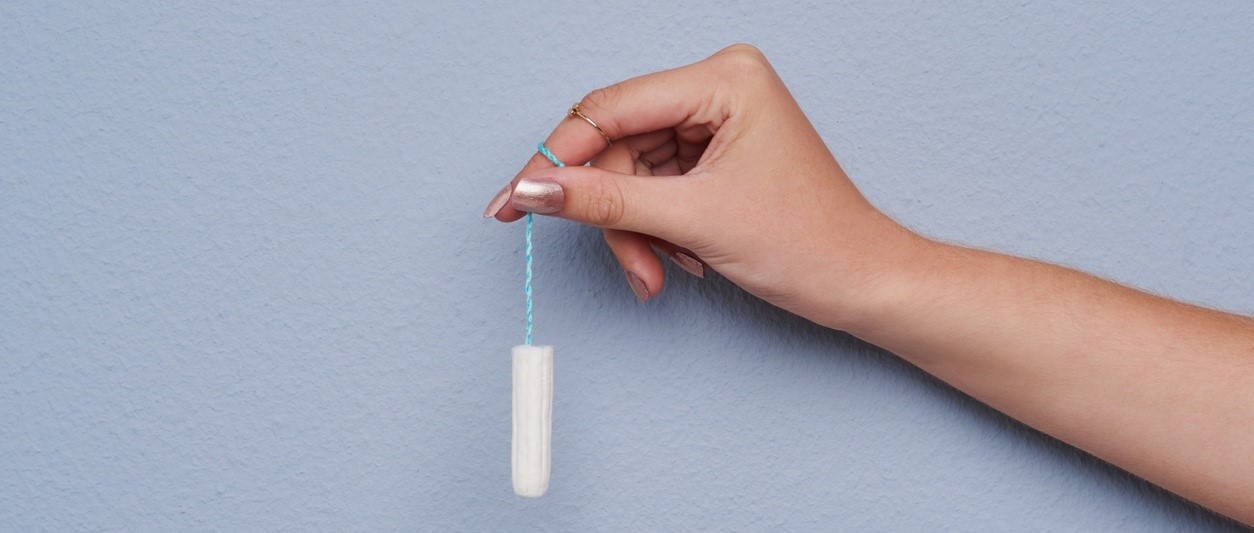
For 90 years, women have used the modern tampon to do one job each menstrual cycle. Now, scientists are discovering that it can do so much more in the world of healthcare. We explore this promising new way to diagnose poor reproductive and sexual health - and ask what else the future might hold for tampons in women's healthcare.
di Amberley Davis
Informazioni sull'autoreVisualizza il profilo completo

Lydia Smith
Scrittore di articoli
BA, MA, MSc
Lydia Smith è una giornalista pluripremiata e scrittrice di articoli che ha scritto ampiamente sulla salute delle donne e sulla salute mentale. Attualmente sta studiando per un MSc in psicologia.
Informazioni sul recensoreVisualizza il profilo completo

Dr Krishna Vakharia, MRCGP
Direttore Sanitario per la Salute, Optum UK
MBChB, MRCGP(2013), BMedSci (hons), DFSRH, DRCOG, PGDipDerm (Distn)
La Dott.ssa Krishna Vakharia è un medico di base del NHS. È anche un'esaminatrice regolare per il Diploma post-laurea in Dermatologia Pratica presso l'Università di Cardiff, oltre ad essere il Direttore Medico per la salute presso Optum UK.
Storia dell'articolo
Le informazioni su questa pagina sono revisionate da clinici qualificati.
Articolo disponibile anche in Inglese, Tedesco, Spagnolo, Francese, Italiano, Portoghese, Hindi, Ebraico, Arabo, and Svedese.
20 Lug 2023 | Pubblicato originariamente
Autore:
Lydia SmithRevisione paritaria di
Dr Krishna Vakharia, MRCGP

Chiedi, condividi, connettiti.
Esplora le discussioni, fai domande e condividi esperienze su centinaia di argomenti di salute.

Non ti senti bene?
Valuta i tuoi sintomi online gratuitamente
Iscriviti alla newsletter di Patient
La tua dose settimanale di consigli sulla salute chiari e affidabili - scritti per aiutarti a sentirti informato, sicuro e in controllo.
Abbonandoti accetti i nostri Informativa sulla Privacy. Puoi annullare l'iscrizione in qualsiasi momento. Non vendiamo mai i tuoi dati.
Di più sulla salute delle donne
- Le app di fertilità sono un metodo affidabile di contraccezione?
- Video sul cancro al seno
- I test del sangue possono aiutare a gestire la menopausa e la TOS?
- Può cambiare la tua dieta migliorare la sindrome premestruale?
- I rimedi erboristici per la menopausa funzionano davvero?
- Come affrontare una diagnosi di PCOS
- Come alleviare i sintomi della perimenopausa
- Come avere un ciclo mestruale più ecologico
- Come avere una vita sessuale appagante durante e dopo la menopausa
- È sicuro saltare il ciclo mestruale con la pillola?
- Il dolore delle donne viene preso sul serio?
- Video sulla menopausa
- Dieta per PCOS: Cosa mangiare per gestire i sintomi
- Modi semplici per aiutare a prevenire la candidosi vaginale
- Video: Come influisce la PID sulla fertilità?
- Cos'è la sindrome post-contraccettiva?
- Cosa aspettarsi quando si prende la pillola del giorno dopo
- Cosa c'è dietro alla carenza di HRT nel Regno Unito?
- Quali tipi di preservativi sono i migliori per prevenire la gravidanza?
- Salute delle donne nello sport: infortuni, mestruazioni e maternità