Cos'è la sindrome post-contraccettiva?
Revisione paritaria di Dr Colin Tidy, MRCGPAutore Victoria RawPubblicato originariamente 18 Jun 2025
Rispetta le linee guida editoriali
- ScaricaScarica
- Condividi
- Language
- Discussione
- Versione audio
- Aggiungi alle fonti preferite su Google
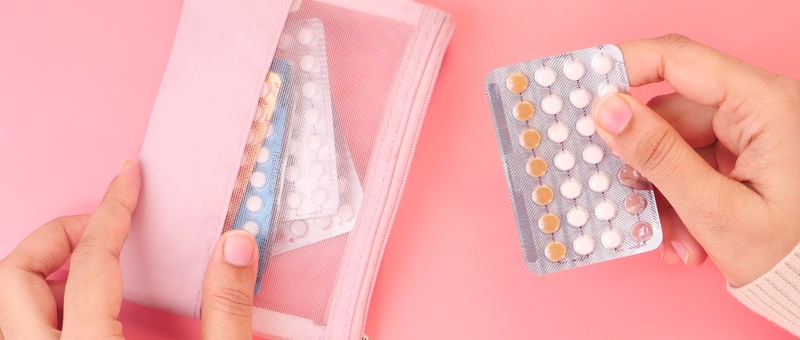
Dopo aver interrotto la contraccezione, potresti notare cambiamenti fisici o emotivi nel tuo corpo. Sebbene non siano ufficialmente riconosciuti come una condizione medica, questi sintomi sono spesso chiamati sindrome post-contraccezione (PBCS).

There are many reasons you might choose to stop taking birth control - whether it's because you can no longer take it, no longer need it, or simply no longer want to.
Gestire la Sindrome Post Contraccettivo - Sintomi e Soluzioni
Debbie Grayson, Pharmacist and Nutritional Therapist, Practice With Confidence, Greater Manchester, UK explains that post-birth control syndrome (PBCS) refers to a collection of symptoms that some people have after discontinuing hormonal contraceptives.
"PBCS is not an officially recognised medical diagnosis, but the symptoms are real and can be distressing," she says. "They typically emerge within four to six months after stopping birth control."
Grayson outlines the most common PBCS symptoms:
Acne.
Irregular periods.
Sbalzi d'umore.
.
You may experience breast tenderness, a decrease in sex drive, and weight gain - though this last symptom could be influenced by various factors unrelated to your birth control.
What causes post-birth control syndrome?
Most forms of birth control work to prevent pregnancy, by releasing synthetic hormones into your body that stop your ovaries from releasing eggs. If there is no egg to be fertilised, then sperm is unable to fertilise it during sex to make a baby.
There are eight types of birth control available in the UK, all of which are free through the NHS. You can access them via your doctor, sexual health clinics, or selected pharmacies.
Birth control options available in the UK
Combined pill - an oral contraceptive that contains both oestrogen and progestogen hormones.
Pill a base di progestinico - an oral contraceptive commonly called the 'mini pill', that contains the hormone progestogen.
IUS (intrauterine system) - a small, plastic device, also called a 'hormonal coil', that releases progestogen into your womb.
Impianto contraccettivo - a small, plastic rod, inserted under the skin of your arm, that contains the hormone progestogen.
Iniezione contraccettiva - an injection that contains the hormone progestogen.
Cerotto contraccettivo - a square patch applied to your skin, that contains the hormone progestogen.
Anello vaginale - a small, plastic ring placed inside your vagina, that releases oestrogen and progestogen hormones.
IUD (intrauterine device) - a device, also known as a 'copper coil', that releases copper into your womb to stop sperm from surviving and fertilising an egg.
After you stop taking birth control, its effects typically disappear within about a month.
Grayson explains, however, that during this time, your body's hormone levels will take some time to adjust.
"This can lead to temporary disruptions," she explains. "Factors such as nutrient depletion, gut health, and hormonal detoxification play roles in this transition."
How is PBCS diagnosed and managed?
As mentioned above, PBCS is not currently recognised as a health condition in the UK. As a result, you cannot seek a formal diagnosis from your doctor, even if you are having symptoms that may be related to it.
However, if you’re having symptoms such as irregular periods, mood swings, acne, fatigue, or digestive issues, it’s important to seek advice from a healthcare professional.
Grayson explains that there are several supportive strategies you can focus on to help restore your body’s natural balance and processes.
Top up on nutrients
Research suggests that hormonal contraceptives may deplete essential nutrients - such as B vitamins, magnesium, zinc, and vitamin C. Replenishing these through a balanced diet or targeted supplements can support your energy levels, mood, and overall hormonal health.
Boost your hormonal balance
Supporting your body’s natural hormone production is key to overall wellbeing.
According to Grayson, you can nurture your hormonal balance by:
Fuelling your body with a nutrient-rich diet - including healthy fats such as omega-3s, plenty of fibre, and quality protein.
Gestione dello stress - through mindfulness practices, good sleep hygiene, and regular exercise.
Minimising exposure to hormone-disrupting chemicals - by choosing safer skincare, avoiding plastic containers, and using non-toxic household products.
Keep your gut healthy
The health of your gut plays a crucial role in hormone metabolism and detoxification. Maintaining a healthy gut microbiome can help reduce symptoms such as bloating, acne, and mood swings.
This can be supported by:
Eating probiotic-rich foods - come yoghurt, kimchi, and kefir.
Increasing your fibre intake.
Avoiding processed foods and excess sugar.
Grayson recommends checking in with a healthcare professional for personalised guidance after stopping birth control.
If you choose to come off it, it's important to tell your doctor so they can support you through the transition and help manage any after-effects.
How long does post-birth control syndrome last?
It can take up to three months for your body to adjust after stopping birth control, and irregular periods during this time are common. However, if your menstrual cycle hasn’t settled after three months or if you’re having symptoms that interfere with daily life - such as painful or heavy periods - it’s important to speak with your doctor. They can offer tailored advice, support and, in some cases, may perform clinical tests or physical examinations to identify the underlying cause of your symptoms.
Scelte del paziente per Contraccezione
Salute sessuale
La pillola contraccettiva aumenta il rischio di coaguli di sangue?
In aprile, sono emerse alcune segnalazioni di rari coaguli di sangue che si verificavano nelle persone dopo aver ricevuto il vaccino COVID-19 di AstraZeneca. Ben presto, sono stati fatti confronti tra il rischio di coaguli associato al vaccino e quello della pillola contraccettiva, per placare le preoccupazioni riguardo alla vaccinazione. Ma questi confronti potrebbero causare preoccupazioni inutili sugli effetti collaterali della contraccezione?
di Allie Anderson
Salute sessuale
Cosa aspettarsi quando si prende la pillola del giorno dopo
La pillola del giorno dopo è stata al centro dell'attenzione negli ultimi mesi, con discussioni sull'accesso e sui costi che sono state in prima pagina. Scopriamo i fatti sulla contraccezione d'emergenza e cosa aspettarsi dopo averla assunta.
di Sally Turner
Informazioni sull'autoreVisualizza il profilo completo
Victoria Raw
Scrittore di Articoli
Laurea in Lettere (Hons), Letteratura Inglese
Victoria è una scrittrice di contenuti per Patient i cui interessi speciali si concentrano sul benessere mentale, le tendenze sociali e l'impatto della tecnologia sulla nostra salute.
Informazioni sul recensoreVisualizza il profilo completo

Dr Colin Tidy, MRCGP
Medico di base, Autore medico
MBBS, MRCGP, MRCP (Paediatrics), DCH
Il Dr Colin Tidy è un medico del NHS, con sede nell'Oxfordshire.
Storia dell'articolo
Le informazioni su questa pagina sono revisionate da clinici qualificati.
Articolo disponibile anche in Inglese, Tedesco, Spagnolo, Francese, Italiano, Portoghese, Hindi, Ebraico, Arabo, and Svedese.
Prossima revisione prevista: 19 giu 2028
18 Jun 2025 | Pubblicato originariamente
Autore:
Victoria RawRevisione paritaria di
Dr Colin Tidy, MRCGP

Chiedi, condividi, connettiti.
Esplora le discussioni, fai domande e condividi esperienze su centinaia di argomenti di salute.

Non ti senti bene?
Valuta i tuoi sintomi online gratuitamente
Iscriviti alla newsletter di Patient
La tua dose settimanale di consigli sulla salute chiari e affidabili - scritti per aiutarti a sentirti informato, sicuro e in controllo.
Abbonandoti accetti i nostri Informativa sulla Privacy. Puoi annullare l'iscrizione in qualsiasi momento. Non vendiamo mai i tuoi dati.
Più sulla salute sessuale
- I problemi di erezione stanno diventando più comuni nei giovani uomini?
- Il tuo farmacista può aiutarti con la tua salute sessuale?
- Smentire i miti comuni su HIV e AIDS
- Le preservativi causano davvero problemi di erezione?
- La contraccezione ormonale influisce sulla tua libido?
- Il cancro ai testicoli influisce sulla tua fertilità?
- La pillola contraccettiva aumenta il rischio di coaguli di sangue?
- Approvato il primo trattamento iniettabile a lunga durata per l'HIV
- HIV nelle donne: cosa dovresti sapere
- Come affrontare una diagnosi di HIV
- Come prevenire che l'irritazione genitale influisca sulla tua vita sessuale
- Dovresti cambiare la tua contraccezione con la spirale o l'impianto?
- Modi semplici per aiutare a prevenire la candidosi vaginale
- Educazione sessuale per adolescenti: le migliori risorse digitali per tuo figlio
- I pro e i contro dei preservativi femminili
- Cosa può causare un basso desiderio sessuale nelle donne?
- Cosa succede quando si smette di prendere la pillola?
- Qual è la differenza tra HIV e AIDS?
- Quando tornerò fertile dopo aver smesso la contraccezione?
- Dove ottenere aiuto per aggressioni sessuali