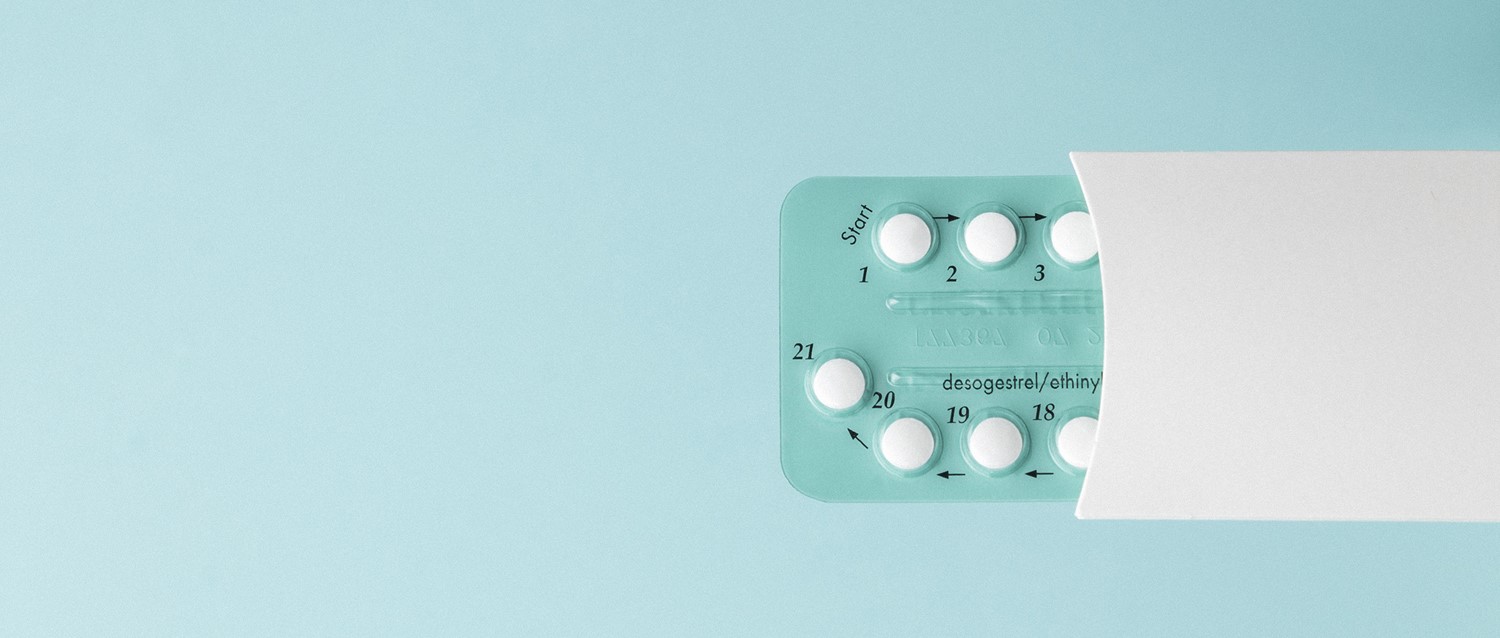
Cosa succede quando si smette di prendere la pillola?
Revisione paritaria di Dr Colin Tidy, MRCGPUltimo aggiornamento di Amberley DavisUltimo aggiornamento 27 Ott 2023
Rispetta le linee guida editoriali
- ScaricaScarica
- Condividi
- Language
- Discussione
- Versione audio
- Add to preferred sources on Google
Inizialmente approvata negli anni '60, la pillola ha dato alle donne il controllo sui loro sistemi riproduttivi per quasi settant'anni. Ma, negli ultimi anni, si è sviluppato un movimento crescente di donne che abbandonano questo metodo di contraccezione. Quindi, con molte che hanno assunto la pillola fin dall'adolescenza, cosa succede realmente al tuo corpo se stai smettendo di prenderla?
In questo articolo:
Video picks for Contraccezione
From your moods to your fertility, you may be wondering what life would be like if you stopped taking the pill. We speak to Karin O'Sullivan, clinical consultant at the Associazione Pianificazione Familiare (FPA), and Dr Helen Munro, consultant and clinical lead for the Faculty of Sexual and Reproductive Healthcare (FSRH). These sexual health experts explain how your body adjusts to coming off la pillola.
Continua a leggere sotto
Cosa succede quando si smette di prendere la pillola?
According to O'Sullivan, no matter how long you've been taking the contraceptive pill, the hormones clear from your body very quickly when you stop taking them. Other changes include your periods returning to normal and the return of previous hormone related issues.
Your periods return to normal
After you stop taking the pill, your periods go back to 'normal' - although what's normal for you might have changed since you started taking the pill.
Regardless of how long you've been on the pill, there's no truth in the myth that the synthetic hormones build up. Once you come off, your natural ciclo mestruale returns to releasing different amounts of hormones at different times - instead of the regular dose of hormones you get on the pill. This may affect how you feel throughout the month.
"If you've been taking the pill for a while then other things in your life have probably changed, and this might mean your menstrual cycle is now different to how it was before the pill," O'Sullivan says.
Your vaginal discharge might change
Physically, O'Sullivan adds: "You might also notice a change in your perdite vaginali, which can change from being thick, sticky and white, to become more slippery, a bit like raw egg white, at the time of ovulation."
Previous hormonal issues may return
If you previously suffered from hormonal issues which the pill has been keeping at bay - such as dolori mestruali, mood swings or cicatrici da acne - then there is a chance that these problems will return after coming off the pill.
However, as O'Sullivan points out, it's worth remembering that getting older and changes to your lifestyle can also have an impact on any of these symptoms.
Are there any side-effects of coming off the pill?
Torna ai contenutiAs your body quickly readjusts to coming off the pill, you may experience additional side effects such as:
Mal di testa.
Sbalzi d'umore.
Sensibilità al seno.
Increased sex drive.
Weight changes.
If you are concerned about any of these side effects, or have heavy bleeding, dizziness, or shortness of breath, you should seek medical attention immediately.
Continua a leggere sotto
How many days after stopping the pill does your period start?
Torna ai contenuti"For some people, their normal menstrual cycle will return straightaway after coming off the pill, while for others it may take a few months before their periods start again or settle into a pattern," O'Sullivan explains.
As a general rule though, she adds, if your periods haven't restarted after a few months then it's worth seeing your doctor to check for any medical issues or an unexpected la gravidanza.
Does coming off the pill affect your period?
Torna ai contenutiIf you've been taking the combined oral contraceptive pill (COC), you may have found that your monthly withdrawal bleed was much lighter and less painful than a normal period. If you've been on the pillola a base di solo progestinico (POP) then you may have stopped bleeding altogether.
As with the other symptoms, O'Sullivan explains that you may find your periods go back to exactly as they were before the pill - with your monthly bleed becoming longer, più abbondante and more painful again once you come off. Or, they may be different due to changes in your body and lifestyle.
For example, if work or your personal life is currently causing you a lot of stress - more than you felt during your last natural menstrual cycle - then you may find your natural period is more painful than you remember1.
Continua a leggere sotto
How long after coming off the pill can you get pregnant?
Torna ai contenutiYour fertility should return quickly once you stop taking the pill. This means that you can get pregnant immediately after stopping the pill. However, it could take several months for your body to return to normal.
Dr Munro says: "If you're coming off the pill but don't want to get pregnant then make sure you have an alternative method of contraception lined up straightaway". However, if you're coming off the pill because you are hoping to get pregnant, O'Sullivan says be prepared that it may not happen straightaway - although remember also that it could.
"Factors such as age and how fit and healthy you are can affect how long it takes to get pregnant, but the majority of couples trying for a baby will get pregnant within a year if they're having unprotected sex regularly every 2-3 days," she advises.
What other contraception can I use instead of the pill?
Torna ai contenuti"Long-acting reversible contraception (LARC) - such as the impianto, hormonal and non-hormonal spirale, and contraceptive injection - is the most effective option we have, and can be used by most women," Munro explains.
"My advice is that there is no perfect contraception method but it's important you attend a GP or specialist contraception clinic to discuss your options - especially if you've had a poor experience of the pill, or negative side effects," she adds.
Can coming off the pill affect fertility?
Torna ai contenutiMunro says: "There are no known lasting affects on fertility, even if you have been using either the COC pill or the POP for many years. This is often a concern for women, who come to my clinic voicing a perceived need for a break from the pill and a temporary return to their natural menstrual cycle. There is no evidence that this is needed, and could lead to an unplanned pregnancy if no other method of effective contraception is used in its place," she explains.
Also remember that use of the COC pill is linked with a reduced risk of both ovarian and endometrial cancer which, Munro adds, "continues for several decades even after coming off the pill - a really positive side effect that's often overlooked and not mentioned."
Ulteriori letture
Torna ai contenutiPatient picks for Contraccezione
Salute sessuale
Miti sulla pillola del giorno dopo sfatati
Qualche volta, nonostante le nostre migliori intenzioni, succedono degli incidenti. Se ti trovi a dover ricorrere alla contraccezione d'emergenza a causa di un rapporto non protetto, cerca di non farti prendere dal panico. Qui sfatiamo i miti più comuni riguardo all'assunzione della 'pillola del giorno dopo'.
di Dr Jennifer Kelly, MRCGP
Salute sessuale
Avremo mai una pillola contraccettiva maschile?
Potremmo presto avere una versione maschile della pillola? Per molte persone insoddisfatte delle attuali modalità di contraccezione, la prospettiva probabilmente sembra troppo bella per essere vera.
di Abi Millar
Continua a leggere sotto
About the authorView full bio

Sarah Graham
Freelance health journalist
MA, Newspaper, Journalism
Sarah Graham is an award-winning freelance health journalist, and founder of the feminist women's health blog Hysterical Women.
About the reviewerView full bio

Dr Colin Tidy, MRCGP
Medico di base, Autore medico
MBBS, MRCGP, MRCP (Paediatrics), DCH
Dr Colin Tidy is an NHS Doctor, based in Oxfordshire.
Storia dell'articolo
Le informazioni su questa pagina sono revisionate da clinici qualificati.
Prossima revisione prevista: 27 ott 2026
27 Ott 2023 | Ultima versione
30 giu 2018 | Pubblicato originariamente
Autore:
Sarah Graham

Chiedi, condividi, connettiti.
Esplora le discussioni, fai domande e condividi esperienze su centinaia di argomenti di salute.

Non ti senti bene?
Valuta i tuoi sintomi online gratuitamente
Iscriviti alla newsletter di Patient
La tua dose settimanale di consigli sulla salute chiari e affidabili - scritti per aiutarti a sentirti informato, sicuro e in controllo.
By subscribing you accept our Informativa sulla Privacy. Puoi annullare l'iscrizione in qualsiasi momento. Non vendiamo mai i tuoi dati.