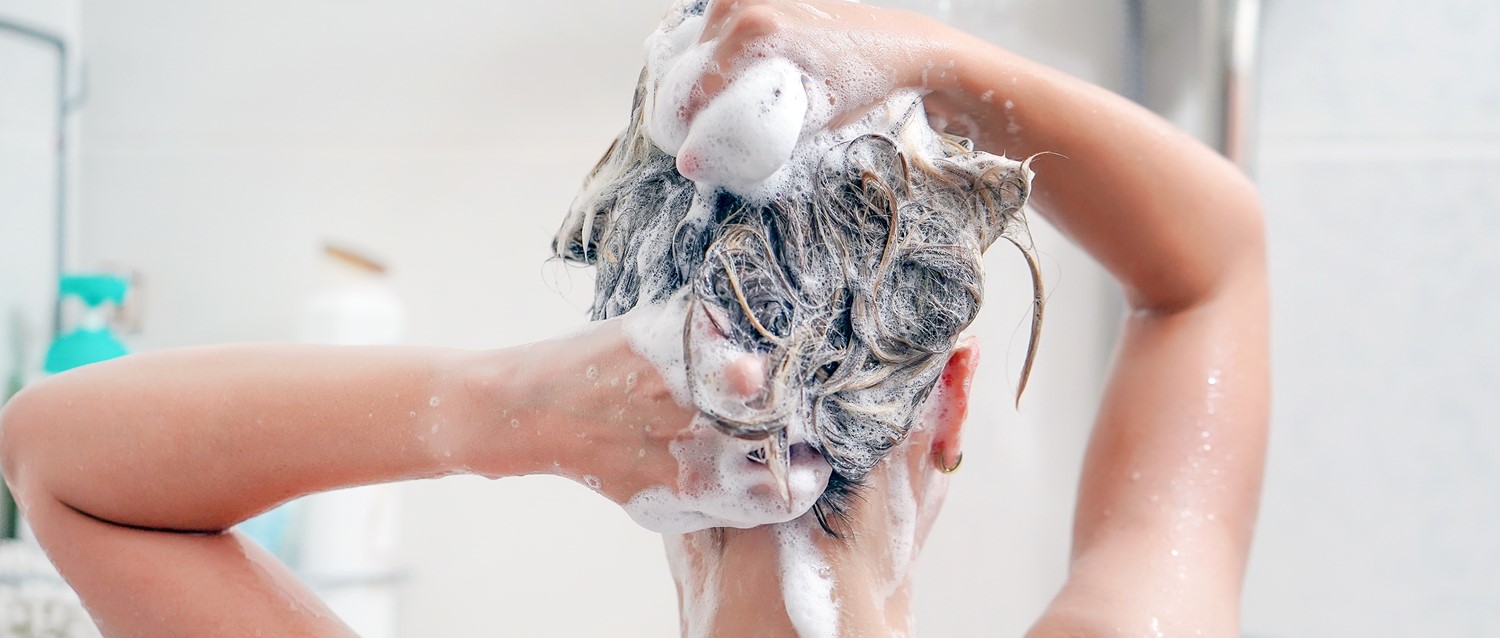
Come affrontare la perdita di capelli dopo aver avuto un bambino
Revisione paritaria di Dr Krishna Vakharia, MRCGPUltimo aggiornamento di Lydia SmithUltimo aggiornamento 6 Giugno 2023
Rispetta le linee guida editoriali
- ScaricaScarica
- Condividi
- Language
- Discussione
- Versione audio
Il tuo corpo subisce molti cambiamenti durante la gravidanza e dopo il parto. Anche se probabilmente i tuoi capelli non sono la tua principale preoccupazione, può essere preoccupante vederne cadere di più nei mesi successivi al parto. Tuttavia, questo è normale - ed è qualcosa che molte donne sperimentano.
In questo articolo:
Video consigliati per Complicazioni
Continua a leggere sotto
Why does your hair change during and after pregnancy?
The average person loses up to 100 hairs a day, but not all at once, so it’s not usually very noticeable. When you’re pregnant, however, your body has higher levels of the hormones oestrogen and progesterone, which prevent those hairs from falling out. Some studies suggest the hormone prolactin also leads to less hair loss and more growth, making your hair look and feel thicker1.
After pregnancy, when your body no longer has to support your baby, your hormone levels drop and the hair sheds. However, you’re not actually losing more hair than normal. It’s just that your hair is falling out in larger clumps than it ordinarily would, so it can seem more obvious.
Dr Leila Asfour, a dermatologist at the Associazione Britannica dei Dermatologi, says women may notice an increase in hair shedding and thinning in general over the whole scalp, called telogen effluvium.
"This is due to changes to the hair cycle, which causes the hair to fall out faster than it normally would,” she explains. “It tends to occur around three or four months after having their baby."
Over time, the hair cycle tends to return to normal, although this can take several months."The majority of women do not require any treatment for hair loss after a la gravidanza as the hair cycle will eventually go back to normal without any treatments," says Asfour.
Postpartum hair treatments for hair loss
Unfortunately, there are no treatments to prevent or slow down the hair shedding process. However, there are treatments you can try to make your hair appear thicker and healthier.
Use volumising haircare products
Volumising shampoos and conditioners can make your hair look and feel thicker by adding body to it. These products won’t stop your hair from shedding or make it grow faster, but they may improve the look of your hair.
Mangia bene
Food shopping and cooking may be the last activities on your mind when you’re looking after a newborn. However, eating a diet with a variety of fruits, vegetables, fibre, and healthy proteins will make sure you’re getting all the vitamins and nutrients you need, which will keep you and your hair healthy.
Eating well doesn’t have to be too complicated or time-consuming. Avocados and eggs are a good source of protein and healthy fats, which boost your skin and hair health2. If you’re short on time, smashed avocado and poached or scrambled eggs on wholegrain toast is a quick, filling meal.
The nutrients zinc and selenium are also important for healthy hair. You can find zinc in fortified cereals, wholegrain bread, nuts, red meat and chicken. Selenium is found in pork, beef, turkey, chicken, fish, shellfish and eggs. Vegetarians can get selenium from spinach, green peas, beans and potatoes. A jacket potato with beans and some veg on the side is another easy, quick meal.
Take vitamins or supplements
Although no specific vitamins have been shown to affect perdita di capelli, they can help support your overall health. "Other things to consider during and after pregnancy which can impact hair growth include women's tiroide function, iron levels, vitamina D, zinc, and vitamin B12 - also known as folate," says Asfour.
"Boosting these can support the overall hair health. After having their baby, women can become iron deficient, so it is important to check these levels during and after pregnancy."
Use the right contraceptive
Women often start contraccezione after pregnancy, but Asfour says it’s worth being aware that certain contraceptives can make hair shedding worse3.
"We would recommend a contraceptive with a low androgen index if possible, avoiding the progesterone-only ones if appropriate," she says.
When should you speak to your doctor about hair loss?
Torna ai contenuti"If hair loss persists for more than six to eight months after giving birth, then this could indicate a hair disorder and medical treatments might be necessary," says Asfour. "We would recommend speaking to your GP or arranging to see a dermatologist with an interest in hair disorders."
It’s also important to make sure there isn’t an additional cause for your perdita di capelli, such as an infection or lo stress4.
Continua a leggere sotto
Ulteriori letture
Torna ai contenutiScelte dei pazienti per Complicazioni
Gravidanza
Acne in gravidanza: perché succede e come trattarlo
Tutti conosciamo lo stereotipo della futura mamma radiosa, con la pelle luminosa, perfetta e chiara, ma la realtà degli ormoni imprevedibili della gravidanza può essere un po' diversa. Per le donne affette da acne adulta, non sapere come reagirà la loro pelle - o come tenerla sotto controllo senza molti dei trattamenti più comunemente prescritti - può essere una preoccupazione durante la gravidanza o quando si pianifica di concepire. Ma ci sono diverse opzioni sicure per tenere a bada l'acne in gravidanza.
di Sarah Graham
Gravidanza
Cosa causa vertigini in gravidanza?
Affrontare tutti i cambiamenti fisici, ormonali ed emotivi che avvengono durante la gravidanza può essere difficile - e non è sempre un percorso facile. Man mano che il tuo bambino cresce e il tuo corpo si adatta, è comune sentirsi deboli, instabili o avere vertigini. Ma perché la gravidanza può causare vertigini, cosa puoi fare al riguardo e quando dovresti cercare aiuto medico?
di Lydia Smith
Continua a leggere sotto
Storia dell'articolo
Le informazioni su questa pagina sono revisionate da clinici qualificati.
6 giu 2023 | Ultima versione
6 giu 2023 | Pubblicato originariamente

Chiedi, condividi, connettiti.
Esplora le discussioni, fai domande e condividi esperienze su centinaia di argomenti di salute.

Non ti senti bene?
Valuta i tuoi sintomi online gratuitamente
Iscriviti alla newsletter di Patient
La tua dose settimanale di consigli sulla salute chiari e affidabili - scritti per aiutarti a sentirti informato, sicuro e in controllo.
Abbonandoti accetti il nostro Informativa sulla Privacy. Puoi annullare l'iscrizione in qualsiasi momento. Non vendiamo mai i tuoi dati.