What is serotonin syndrome and what causes it?
Peer reviewed by Dr Sarah JarvisLast updated by Lydia SmithLast updated 23 Nov 2021
Meets Patient’s editorial guidelines
- DownloadDownload
- Share
- Language
- Discussion
- Audio Version
- Add to preferred sources on Google
Sometimes referred to as the 'happy' brain chemical, serotonin is a neurotransmitter that is linked to our mood and other important functions. Several medications that treat depression, anxiety and other mental health problems work on serotonin levels and other neurotransmitters to help improve your mood and other symptoms. On rare occasions, though, antidepressants can trigger a dangerous reaction called serotonin syndrome.

What is serotonin syndrome?
Serotonin - also known as 5-hydroxytryptamine, or 5-HT - is a chemical that functions as a neurotransmitter to carry signals between nerve cells throughout your body. In the brain, serotonin helps to regulate mood and memory, but it also has other important roles such as aiding digestion.
Serotonin's effect on mood is why it's often a target of medications that are used to treat mental health conditions. For example, increasing serotonin levels is the purpose of the class of antidepressants known as selective serotonin reuptake inhibitors (SSRIs). However, it is possible for serotonin levels to become too high - so-called serotonin syndrome.
"Serotonin is a chemical which is naturally produced in the body and is required for nerve cells and the brain to function," says Dr Natasha Bijlani - consultant psychiatrist at the Priory Hospital Roehampton London.
"Too much serotonin leads to the development of a set of potentially dangerous symptoms called serotonin syndrome. Serotonin syndrome usually occurs as a result of taking medications that cause high levels of serotonin to accumulate in the body," she explains. "Serotonin syndrome can be a life-threatening condition and should be regarded as a medical emergency. It requires immediate treatment."
What causes serotonin syndrome?
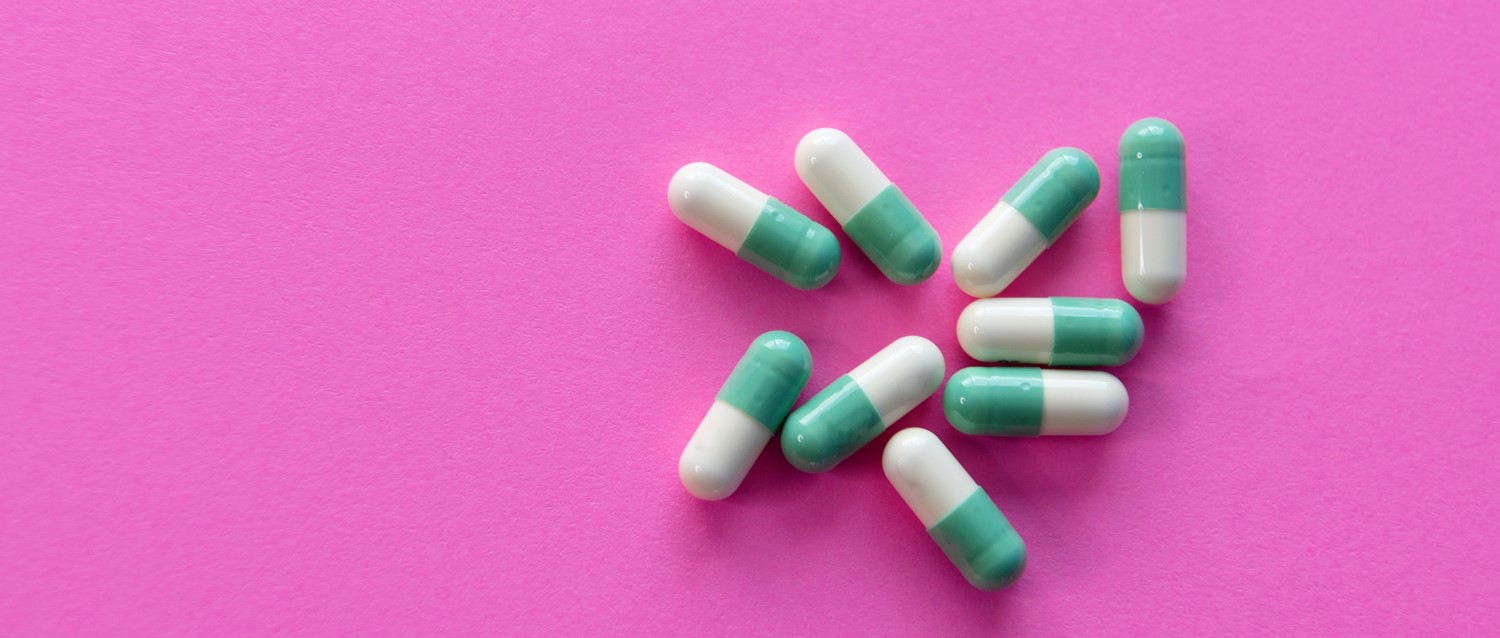
SSRI antidepressants are the most commonly prescribed class of drugs for moderate to severe depression. They can be extremely effective, especially when used alongside other treatments like talking therapy.
However, serotonin syndrome can occur if someone overdoses on their antidepressants, or if they take different types of antidepressant medications at the same time.
"SSRIs work by increasing the availability of serotonin in the brain and other parts of the body," explains Bijlani. "But if multiple SSRIs are prescribed at the same time or used in conjunction with other serotonin-enhancing medications or substances, then the risk of serotonin syndrome is enhanced."
Research has shown that various types of antidepressant, including SSRIs, serotonin and norepinephrine reuptake inhibitors (SNRIs), tricyclic antidepressants and monoamine-oxidase inhibitors (MAOIs), been linked to serotonin syndrome.
"Some cases can arise after a single dose of a selective serotonin reuptake inhibitor (SSRI). It can also arise when the dose of a drug that acts on serotonin levels has increased or a new drug is added," she says. "Some dietary supplements and recreational drugs have also been associated with the development of serotonin syndrome."
Illicit drugs such as cocaine, LSD, amfetamines and ecstasy can affect serotonin levels. Triptan medications used to treat migraines, and herbal supplements such as St John’s wort, can also have an effect. On rare occasions, some over-the-counter cold medicines can also interact with antidepressants, which may risk increasing serotonin levels.
What are the symptoms of serotonin syndrome?
"Serotonin syndrome symptoms develop within six hours of initial use, change in dose or following overdose," says Bijlani. "Initial serotonin syndrome symptoms are usually mild and include diarrhoea, shivering and feeling more anxious, agitated and restless. Serotonin syndrome symptoms also include insomnia, headaches, rigid muscles, mild fever and developing goosebumps."
Worsening serotonin syndrome symptoms lead to the development of increased heart rate and blood pressure, dilated pupils, loss of muscle co-ordination and twitching, alongside heavy sweating and confusion.
"Signs of severe serotonin syndrome include high fever, seizures, irregular heartbeat with unconsciousness and eventually possible death," says Bijlani.
How to avoid serotonin syndrome
Prescription medication such as SSRIs should always be taken at doses recommended by your doctor.
"People should be made aware of the possible risk of serotonin syndrome and what to do if they develop any of the signs and symptoms," says Bijlani. "One should never increase the dose of any medication, or take any additional medications or supplements, without talking to their doctor first."
If you are concerned you have serotonin syndrome, it's important to seek medical help as quickly as possible.
"Serotonin syndrome is regarded as a medical emergency. Serotonin syndrome symptoms can escalate quite rapidly and lead to dangerous consequences," says Bijlani. "Anyone who suspects they may be developing such symptoms should seek urgent medical assistance.
"Serotonin syndrome treatment involves monitoring for vital physical signs and stopping all medications that could be contributing to elevated serotonin levels," she adds. "It might involve managing agitation with suitable medication, reducing body temperature and the consideration of intensive-care treatment if severe serotonin syndrome has developed."
Patient picks for Mental health medicines

Mental health
How to avoid antidepressant withdrawal symptoms
For those living with mental illness, antidepressants can be an invaluable lifeline - helping people do things we tend to take for granted, such as get up in the morning and shower. But like all medications, antidepressants can have side effects. And when you stop taking them, you may experience withdrawal symptoms.
by Lydia Smith
Mental health
How to switch antidepressants safely
There are many reasons why someone may switch antidepressants, from the medication not working well enough, to pervasive side effects. However, changing antidepressants can be a tricky process that needs to be done with care. If done too quickly, it can lead to withdrawal symptoms - and even make depression or anxiety worse. So how can you change medications safely?
by Lydia Smith
About the authorView full bio

Lydia Smith
Feature writer
BA, MA, MSc
Lydia Smith is an award-winning journalist and feature writer who has written extensively on women's health and mental health. She is currently studying for an MSc in psychology.
About the reviewerView full bio

Dr Sarah Jarvis
Clinical Consultant
MA (Cantab), BM, BCh (Oxon), DRCOG, FRCGP, MBE
After training in medicine at Cambridge and Oxford, Dr Sarah Jarvis MBE became a GP.
Article history
The information on this page is peer reviewed by qualified clinicians.
Article also available in English, German, Spanish, French, Italian, Portuguese, Hindi, Hebrew, Arabic, and Swedish.
23 Nov 2021 | Latest version
23 Nov 2021 | Originally published
Join the conversation
Share your thoughts or experiences with others in our patient communities.

Ask, share, connect.
Browse discussions, ask questions, and share experiences across hundreds of health topics.

Feeling unwell?
Assess your symptoms online for free
Sign up to the Patient newsletter
Your weekly dose of clear, trustworthy health advice - written to help you feel informed, confident and in control.
By subscribing you accept our Privacy Policy. You can unsubscribe at any time. We never sell your data.
More in mental health
- NewAdam Smith on mindfulness, mental health, and diabetes
- Breaking the stigma of mental health
- Coping with grief after losing a loved one to lung cancer
- Diabetes burnout - how mindfulness can support your mental wellbeing
- Exercise snacking - how small bursts of movement can boost your mindset
- How money worries can affect your health
- How peer support can help boost your mental health
- How to gain weight after having an eating disorder
- How to stave off depression in later life
- New Year, New Me: Why reinventing yourself in 2025 might be bad for your mental health
- Not quite 'back to normal': a guide to post-pandemic family healing
- The health benefits of seawater
- The link between anxiety and insomnia
- The Stranger Things effect: why nostalgia builds connection and improves our mood
- What is 'Skinnymaxxing' - and why are health experts concerned about it?
- What is the difference between disordered eating and an eating disorder?
- What should I do if I feel suicidal?
- What working overtime is really doing to your health
- Why do so many of us struggle with meditation?
- Why is therapy so exhausting?