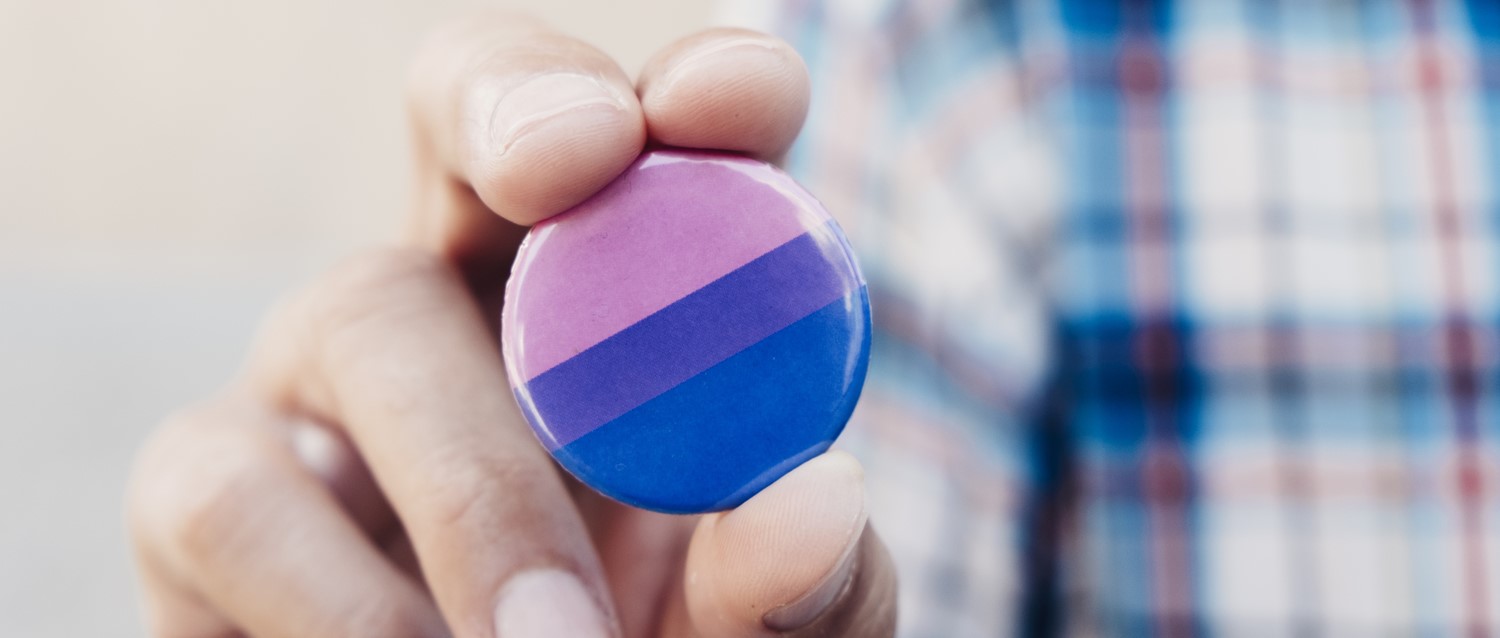
Debunking bisexual stereotypes and myths
Peer reviewed by Dr Krishna Vakharia, MRCGPLast updated by Emily Jane BashforthLast updated 18 Jul 2022
Meets Patient’s editorial guidelines
- DownloadDownload
- Share
- Language
- Discussion
- Audio Version
- Add to preferred sources on Google
More people now identify as bisexual than ever before, which is why it's important to have an understanding of what it really means, rather than perpetuating harmful bisexual stereotypes. When the world is accepting of bisexuality and bisexual people feel safe to be themselves, the world is a happier, healthier place to be.
What is bisexuality?
Sexuality exists on a spectrum. This means that someone does not have to be exclusively homosexual or heterosexual. Bisexuality - often abbreviated to bi - is an umbrella term used to describe a romantic and/or sexual orientation towards more than one gender.
Bisexuals might just use the one label, but also can and do use a variety of terms to describe themselves. These include bisexual, pan, queer, and some other non-monosexual - people attracted to more than one gender - identities.
A brief history of bisexuality
The first use of the word 'bisexual' - with the meaning of sexual attraction to multiple genders - dates back to the 19th century. German psychologist Richard von Krafft-Ebing used it to refer to the gender of individuals whom he believed exhibited both feminine and masculine behaviours.
From the 1970s onwards, bisexuality gained recognition and visibility as a sexual orientation in Western literature, academia and activism. However, bisexual people have often been marginalised in literature, film, and research and continue to face barriers with regards to equality and genuine understanding of their sexuality.
How do negative stereotypes affect bisexual people?
A 2021 global survey found that around 4% of the world’s population identifies as bisexual - thats more than 300 million people.1
However, bi people still battle with bisexual stereotypes which impact how they see themselves and how they are treated, or mistreated, by others.
Violence and abuse
Bisexual women are more likely to experience abuse. A United Nations report looking at global LGBTQ+ issues described the rates of sexual violence against bisexual women as “shocking”, and that they were "especially at risk" of sexual violence. In several countries, including the UK, the US and Canada, studies have shown that bisexualwomen are the most vulnerable to rape, sexual assault, domestic violence, and stalking.
In the UK specifically, studies have found that bisexual women are five times more likely than heterosexual women to be abused by a partner. In one study, 10.8% of bisexual women reported having been abused.2
Intimate partner violence researcher, Dr Nicole Johnson, estimates that up to 75% of bisexual women have been raped or sexually assaulted.3 She identifies that bisexual women are more vulnerable to abuse due to hypersexualisation, biphobic harassment and substance misuse.
"The media, and pornography, in particular, have long depicted women’s bisexuality as less about sexual agency and more about the pleasure of straight men, which may result in the dehumanisation and objectification of bisexual women resulting in increased acceptance of violence [against them]," she has said.
Domestic violence against bisexual people is not a new problem. A study from 2007 surveyed men who have sex with men (MSM) and 32.4% of participants reported some form of relationship abuse in a past or current relationship, 20.6% reported a history of verbal abuse, and 19.2% reported physical violence.4
The mental impact
It is thought that 1 in 20 young Brits are bisexual5 and having their sexuality invalidated and misunderstood can have immense consequences. There is a lot of misunderstanding within the queer community itself - whether it's the idea that bisexual males are just closeted gay men, or bisexual women only exist to arouse men. These stigmas and erasures of people’s identities may result in mental distress and struggles with self-acceptance.
Research indicates that there is a higher risk of suicide and self-harm in bisexual individuals than in heterosexual, lesbian, and gay people. The American Psychological Association (APA) notes that people who are bisexual are more likely to experience depression than other sexualities, while a 2020 Australian study found that 72% of participants reported high or very high levels of psychological distress.6
Dispelling bisexual stereotypes...
“They’ll pick a side eventually”
There is a common stereotype that bisexual people are confused and indecisive, or they are only labelling themselves as bisexual while they figure out if they are gay or straight.
However, for a lot of people, bisexuality isn’t a stepping stone to homosexuality. It is a complete identity and valid in its own right. Sexuality is not binary - it isn't a case of choosing between one side or another.
It is also worth noting that, while bisexuality should never be dismissed as a 'phase,' it is also ok if someone comes out as bisexual and changes their label at a later date. This is because sexuality is fluid.
Bisexual people are equally attracted to men and women
Another bisexual stereotype is that attraction is split 50/50 down the middle to men and women - it isn't. It also does not mean bisexuals are attracted to everyone.
American bisexual advocate Robyn Ochs famously defined bisexuality as “the potential to be attracted – romantically and/or sexually – to people of more than one sex and/or gender, not necessarily at the same time, not necessarily in the same way, and not necessarily to the same degree.”
Bisexuality is more complex, with each person expressing their attraction in individualistic ways. Multiple factors contribute to this, including who someone wants to be intimate with, who they want to have a romantic relationship with, and where they are in their own lives. There is no single, universal 'bi' experience.
The Ipsos global LGBTQ+ survey found that 48% of self-identified bisexuals say they are equally attracted to men and women, but more say they are mostly attracted to the opposite sex (28%) than to the same sex (9%). Bisexuality also encompasses non-binary and gender non-conforming folk, who do not identify solely as male or female.
Bisexual people don’t need to 'come out,' they can just pretend to be straight
30% of bisexual men and 8% of bisexual women say they cannot be open about their sexual orientation with any of their friends, compared to 2% of gay men and 1% of lesbians. This fear of coming out is especially common in young bisexual people, as LGBTQ+ pupils are three times more likely to experience sexual harassment at school.7
Of those who have come out, more than 27% of bisexual women and 18% of bisexual men have experienced discrimination or poor treatment from others in their local LGBTQ+ community.
Coming out can be a scary and stressful experience but suppressing one’s sexuality, and feeling the need to act as someone else, can have devastating mental health consequences. For example, 72% of bisexual women and 56% of bisexual men have experienced anxiety.
Coming out can be a liberating part of gender identity. It’s a process to reach that point, and suggesting that a bisexual person can just 'pretend to be straight' not only invalidates their sexuality, but it encourages them to hide who they are.
As long as bisexual stereotypes remain prevalent and people have misunderstandings around what bisexuality is, bisexual folk will be fearful of being themselves. Driving education and talking about sexuality openly will hopefully lead to a better understanding.
Further reading
Patient picks for Gender identity
Healthy living
What to do if you're questioning your sexuality
If you've found yourself wondering if you might be gay, lesbian, bisexual or even asexual, you're not alone. We ask two experts to bust myths on sexual orientation and where those questioning their sexuality can go for further support and advice.
by Natalie Healey
Healthy living
Debunking transgender stereotypes and myths
Myths and stereotypes about transgender people have existed for decades. Sadly, these misconceptions can create a fear of trans people, as well as increase the rates of violence and poor mental health they experience.
by Emily Jane Bashforth
About the authorView full bio

Emily Jane Bashforth
Feature Writer
NCTJ
Emily is a Feature Writer with Patient, writing articles on a variety of topics relating to health and well-being.
About the reviewerView full bio

Dr Krishna Vakharia, MRCGP
Chief Medical Officer for Health, Optum UK
MBChB, MRCGP(2013), BMedSci (hons), DFSRH, DRCOG, PGDipDerm (Distn)
Dr Krishna Vakharia is an NHS GP. She is also a regular examiner for the postgraduate Diploma in Practical Dermatology at Cardiff University as well as being the Chief Medical Officer for health at Optum UK.
Article history
The information on this page is peer reviewed by qualified clinicians.
Article also available in English, German, Spanish, French, Italian, Portuguese, Hindi, Hebrew, Arabic, and Swedish.
18 Jul 2022 | Latest version
Join the conversation
Share your thoughts or experiences with others in our patient communities.

Ask, share, connect.
Browse discussions, ask questions, and share experiences across hundreds of health topics.

Feeling unwell?
Assess your symptoms online for free
Sign up to the Patient newsletter
Your weekly dose of clear, trustworthy health advice - written to help you feel informed, confident and in control.
By subscribing you accept our Privacy Policy. You can unsubscribe at any time. We never sell your data.
More in healthy living
- A guide to essential home gym equipment
- Are facial workouts good for sleep, speech and oral health?
- Debunking transgender stereotypes and myths
- Dr Krishna Vakharia: A look back - and forward
- Drinking in the sun: a dangerous cocktail
- Hard seltzer: how healthy is it?
- How can you start strength training at home?
- How revenge bedtime procrastination affects your health - and how to avoid it
- How to control your drinking at a work Christmas party
- How to strengthen your core
- Is brain rot real - here's what brain health experts say
- More than just entertainment: Jeanie Y. Chang on K-dramas and mental health
- Pregnancy insomnia: how to get better sleep while pregnant
- The best mindfulness apps, according to experts
- What are the benefits of squats?
- What are the best resistance band exercises for legs?
- What is Reformer Pilates and why is it so popular?
- What is the 6-6-6 walking challenge?
- What is the difference between mental health and mental illness?
- Why a Christmas movie can make us feel good