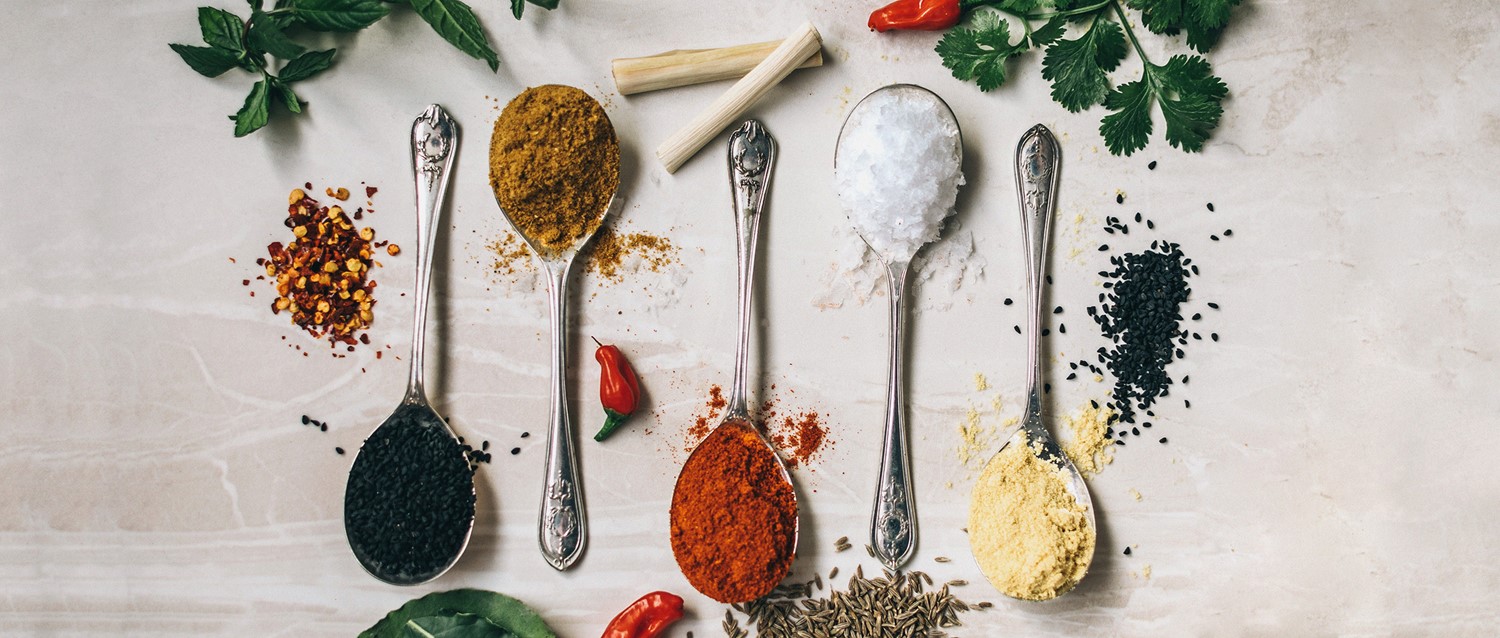
Does eating spicy food help you lose weight?
Peer reviewed by Dr Sarah JarvisAuthored by Gemma GrangeOriginally published 10 Apr 2018
Meets Patient’s editorial guidelines
- DownloadDownload
- Share
- Language
- Discussion
- Audio Version
- Add to preferred sources on Google
Many of us have a love-hate relationship when it comes to spicy food. Either you're smothering everything you eat with hot sauce, or you're shying away from a korma. But could a little red pepper or two in your meals actually be good for you? It's time to turn up the heat.
Need weight loss treatment?
Start a quick online consultation through Patient.info, available 24/7.
Reviewed by UK-registered clinicians and powered by Evaro, a UK-regulated healthcare service. Treatment can often be delivered next day.

Many of us understandably avoid meals containing chilli, due to the effects of capsaicin (the heat-causing chemical inside) and the reactions it can cause in our mouths and digestive system. However, there are claims that spicy food can actually boost your metabolism and help with weight loss. So what does the evidence show?
Chillies and weight loss
It turns out there have been several scientific studies published that have linked hot chilli peppers with weight loss.
"Capsaicinoids are a group of chemicals naturally occurring in chilli peppers," explains nutritionist Emma Derbyshire. "They have properties that may help to support weight management."
Derbyshire reveals that while everyone's bodies react to spice very differently, the research indicates that: "A daily consumption of capsaicin may contribute to weight loss through reductions in energy intake."
She explains that this means eating spicy food could potentially make you want to eat fewer calories than you otherwise would. This could be the main reason hot food is sometimes associated with weight loss.
Spice up your metabolism?
But do chillies actually speed up your metabolic rate? And what do we mean by metabolism anyway? Nutritionist Rose Constantine-Smith explains:
"Metabolism is 'the process of generating energy from nutrients'. Put simply, it is the process that our body has to go through to get energy from the food we eat."
She explains that the energy our body uses to simply exist (for our vital organs to function) makes up between 56-80% of our total energy. It is described as our basal metabolic rate (BMR). It does not take into account anything else like walking, talking or eating."
So a low metabolism might be more accurately described as 'low BMR'. Constantine-Smith explains that everyone's BMR is different. And there are several things which can affect it, she reveals:
Genes
The way you use energy can be affected somewhat by your genetics, although this isn't fully understood yet.
Body composition
Muscle burns more energy than fat so the higher the muscle-to-fat ratio someone has, the more energy they will burn.
Sex
As, in general, men tend to have a higher muscle-to-fat ratio than women, their BMR is higher.
Age
As we get older, our BMR tends to reduce. This is thought to be due to the loss of muscle which is often seen in ageing.
Body weight
The bigger the body, the more energy required to sustain it.
But does a slow metabolism cause weight gain? Unfortunately, says Constantine-Smith, it's not that simple.
"The majority of the time, current evidence does not indicate this. Especially as a larger body actually requires more energy to survive. There are some exceptions - an underactive thyroid gland, for instance, slows your metabolism and usually leads to weight gain even though you're not eating more. But people can gain weight for many reasons, such as eating more than your body requires, lack of exercise, stress, lack of sleep, and illness."
So can chillies help? Constantine-Smith says: "It's true that the capsaicin chilli has been found, in some studies, to increase the rate of our metabolism and therefore the speed at which we burn calories. However, these claims are weak. And even if it's true, the effect is only very, very minimal and appears to only be a short-term, temporary thing."
Our hot take
So there you go: a hint of spice may be beneficial every now and again but don't expect it to be a quick fix.
If you're not a fan of spicy food, don't panic! There are much more effective ways of losing weight without having to make yourself uncomfortable. You're much better off improving your diet, exercising more and sleeping well.
When it comes to chillies, eat them because you like the flavour, not because you think they're going to help you to shed the pounds.
Patient picks for Obesity and weight loss
Healthy living
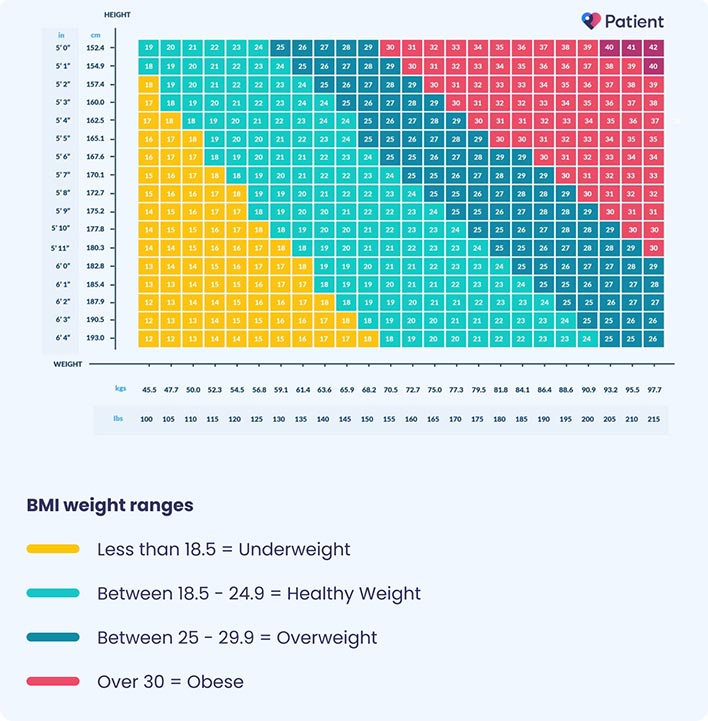
Can we trust BMI charts for kids?
Obesity is an ever-increasing problem in the UK, where it is estimated that one in five children aged between 4 and 5 years are overweight or obese, rising to one in three by the time they are aged 10-11 years.
by Kerry Taylor-Smith

Healthy living
Do calorie counts on restaurant menus lead to healthier choices?
If you've eaten at a chain restaurant recently, there's a good chance you knew how many calories you were consuming. Large breakfast at JD Wetherspoon - 1,565 kcal. Medium portion of McDonald's fries - 337 kcal. Prosciutto and mozzarella on artisan at Pret a Manger - 600 kcal. In the US, all restaurants with 20 or more outlets are now legally required to display the calorie counts on their menus, and many chains this side of the Atlantic are voluntarily following suit.
by Abi Millar
Frequently asked questions
What is the primary way capsaicin might help with weight management?
Capsaicin, the chemical in chilli peppers, may contribute to weight loss by potentially reducing how much energy (calories) you consume. This means eating spicy food might make you feel fuller or less inclined to eat as much as you normally would.
How much impact do chillies have on boosting metabolism for weight loss?
While some studies suggest capsaicin might slightly increase your metabolic rate and calorie burning, this effect is considered very minimal, weak, and likely only temporary or short-term. It's not a significant factor for substantial weight loss.
If I don't like spicy food, are there other effective ways to manage my weight?
Absolutely. If you're not keen on spicy food, there are more effective weight loss methods. These include improving your overall diet, increasing your physical activity, and ensuring you get enough quality sleep.
What is Basal Metabolic Rate (BMR) and what factors influence it?
Basal Metabolic Rate (BMR) is the energy your body uses simply to exist and for your vital organs to function, making up a large portion of your total energy use. Several factors influence BMR, including your genetics, body composition (muscle burns more energy than fat), sex (men generally have higher BMR), age (BMR tends to reduce as we get older), and body weight (larger bodies require more energy).
Does a slow metabolism cause weight gain?
Generally, current evidence doesn't indicate that a slow metabolism is the primary cause of weight gain, as a larger body actually requires more energy to function. Exceptions exist, like an underactive thyroid, which can slow metabolism and lead to weight gain. However, weight gain is most often due to other factors such as consuming more calories than your body needs, lack of exercise, stress, insufficient sleep, or illness.
About the authorView full bio
Authored by

Gemma Grange
BA (Hons), MA
Gemma joined Patient in 2017 as their Content Producer and now works for blood cancer charity Anthony Nolan.
About the reviewerView full bio

Dr Sarah Jarvis
Clinical Consultant
MA (Cantab), BM, BCh (Oxon), DRCOG, FRCGP, MBE
After training in medicine at Cambridge and Oxford, Dr Sarah Jarvis MBE became a GP.
Article history
Article also available in English, German, Spanish, French, Italian, Portuguese, Hindi, Hebrew, Arabic, and Swedish.
10 Apr 2018 | Originally published
Authored by:
Gemma GrangePeer reviewed by
Dr Sarah Jarvis
Join the conversation
Share your thoughts or experiences with others in our patient communities.

Ask, share, connect.
Browse discussions, ask questions, and share experiences across hundreds of health topics.

Feeling unwell?
Assess your symptoms online for free
Sign up to the Patient newsletter
Your weekly dose of clear, trustworthy health advice - written to help you feel informed, confident and in control.
By subscribing you accept our Privacy Policy. You can unsubscribe at any time. We never sell your data.