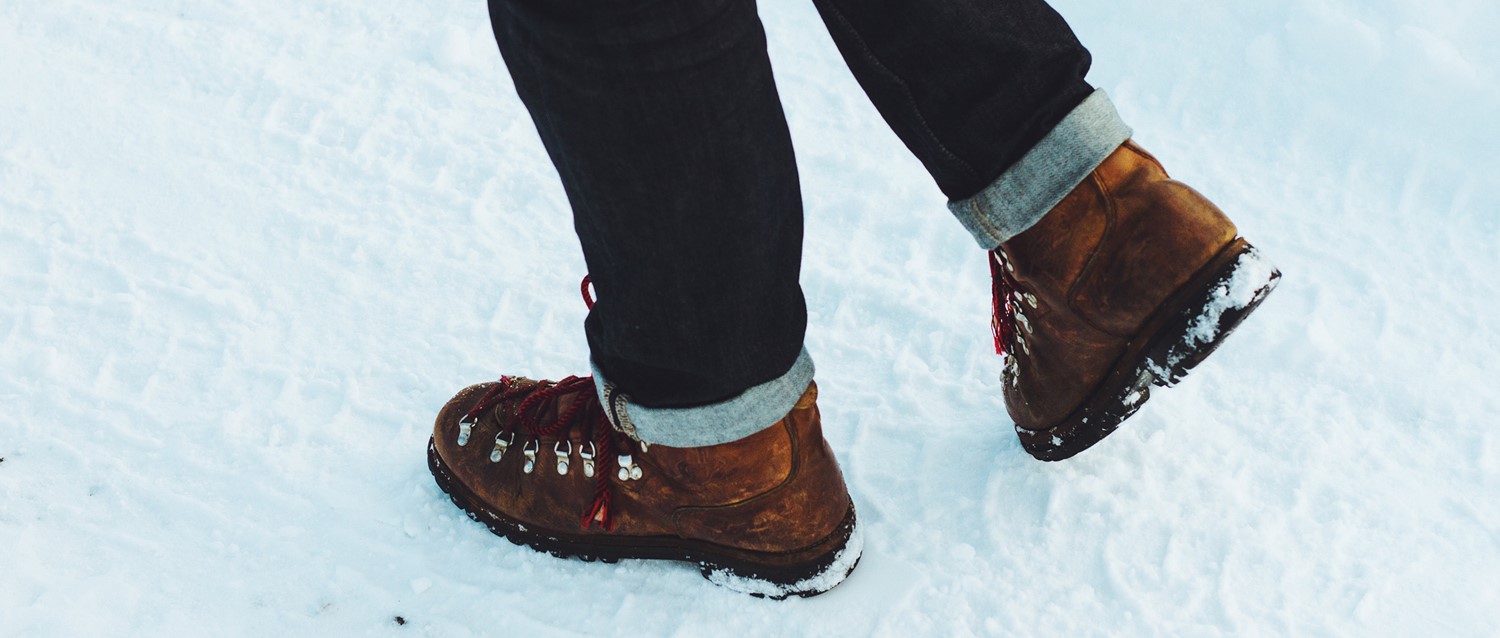
Come scoprire cosa causa il dolore ai piedi
Revisione paritaria di Dr Hayley Willacy, FRCGP Ultimo aggiornamento di Dr Sarah Jarvis MBE, FRCGPUltimo aggiornamento 13 Mar 2018
Rispetta le linee guida editoriali
- ScaricaScarica
- Condividi
- Language
- Discussione
- Versione audio
- Add to preferred sources on Google
I nostri piedi battono le strade ogni giorno, portando tutto il nostro peso, quindi non è sorprendente che a volte proviamo dolore ai piedi. Quindi non indossare qualsiasi vecchia scarpa senza pensarci - le tue opzioni di calzature potrebbero avere un grande impatto sulla salute dei tuoi piedi.
In questo articolo:
Video picks for Problemi ai piedi
Continua a leggere sotto
Bunions could be causing foot pain
Alluce valgo - those unsightly V-shaped lumps at the base of your big toe - può cause skin rubbing, infection, pain and inflammation. . They can also make it hard to find shoes to fit. Doctors used to think they were all down to wearing tight pointy shoes. But while these can undoubtedly make matters worse, it's more often an inherited tendency to weakness in the joint, or artrite, that triggers bunions in the first place.
Roomy flat or low-heeled shoes that don't squash your toes will reduce friction over the base of the toe and may be all you need. A podiatrist can advise on the best shoes and padding over the bunion. In troublesome cases, your doctor may recommend surgery. This isn't an easy option - it involves either trimming the joint or breaking and realigning the bones, but it does usually offer a permanent cure.
Your toenails could be causing foot pain
Torna ai contenutiDo you cut your toenails down at the edges? Just - don't - ever! It's a major cause of painful unghie incarnite, which usually happen when the side of the nail grows into the tender flesh. Caught early, letting the toenail grow out (soaking and teasing out the nail every evening with a cotton bud) may solve the problem. You can find out more details of how to go about it in our leaflet on ingrowing toenails.
Otherwise, antibiotici and sometimes surgery to cut away the edge of your nail may be needed. It's usually done by a podiatrist or 'podiatric surgeon'. Podiatrists can help with corns, verrucas, ingrowing toenails, toenail clipping and a host of other foot problems - often on the NHS. Unfortunately, budget restrictions within the NHS means that services are decided by the authorities in individual regions, and some have stopped commissioning services such as toenail cutting, or limited services to people with specific conditions such as diabete.
Continua a leggere sotto
Plantar fasciitis could cause you foot pain
Torna ai contenutiFascite plantare is an inflammation of the tough connective tissue under your heel. Often a sudden increase in exercise (especially in shoes that don't have good cushioning in the soles) is a common cause, but being sovrappeso makes you more prone too. Rest, anti-inflammatory tablets,well cushioned, and comfortable shoes may help.
So can exercises to stretch the connective tissue of your foot and ankle. You can find out more in our leaflet on foot pain, or watch our resident physiotherapist taking you through a range of exercises in our foot pain video. If these don't help, physiotherapy or a iniezione di steroidi into the painful spot may be recommended.
Athlete's foot could be causing your foot pain
Torna ai contenutiPiede d'atleta isn't just for athletes - any shoes that make your feet hot and sweaty can make you prone to this infezione fungina, which causes itching, scaling and painful splitting of the skin between the toes. Antifungal creams and powder (to soak up sweat) should solve the problem, although you'll need to keep using the cream for a week or two after the problem has gone (your pharmacist can advise).
To prevent it coming back, follow these simple tips:
Wash your feet daily.
Dry really thoroughly between the toes, using a clean dry towel.
Use cotton socks to let your feet breathe.
Change your shoes every couple of days to let them dry out.
Don't wear trainers without socks.
Find some time for bare feet at home.
Continua a leggere sotto
Keeping feet healthy
Torna ai contenutiFor healthy feet, follow a few simple shoe-wise steps. Don't forget however, if you have diabete, it's essential to check your feet daily and report any sore patches or ulcere to your GP.
Pumps are fine now and again, but they don't provide support for your arches so can cause aching. They can also cause clawing of your toes. Tight shoes make you prone to ingrowing toenails as well as corns and calluses. Wearing high heels forces your feet forward, squashing your toes and making bunions more problematic. It may not be the season for flip-flops, but they do let your feet breathe, reducing the chance of athlete's foot. Like pumps, however, they don't offer support and are easy to trip on, causing falls.
Leather shoes let your feet breathe in a way synthetic ones don't. Well-fitted trainers with plenty of padding cut the risk of plantar fasciitis and corns, but don't wear them too long if you want to avoid athlete's foot. Shop for shoes at the end of the day, when your feet are a bit bigger. For a smarter look, kitten heels with an ankle strap look smart - and they're a smart choice for your feet, too.
Patient picks for Problemi ai piedi
Cura dei piedi
Cosa causa le tue mani e piedi freddi?
La risposta più comune alla domanda "Cosa causa i tuoi piedi freddi?" o "Perché le mie mani e i miei piedi sono sempre freddi?" è solitamente, "Essere una donna!" Sì, le donne sono naturalmente inclini ad avere blocchi di ghiaccio per piedi e mani. Ma ci sono diverse condizioni mediche che possono anche essere la causa.
di Victoria Raw
Cura dei piedi
I tuoi piedi diventano più maleodoranti in inverno?
Pensi che i piedi maleodoranti siano un problema solo nei mesi più caldi? Ripensaci. Ma se hai notato un odore imbarazzante proveniente dai tuoi calzini e scarpe, ci sono molte cose che puoi provare.
di Natalie Healey
Continua a leggere sotto
About the author

Dr Sarah Jarvis MBE, FRCGP
Clinical Consultant
MA (Cantab), BM, BCh (Oxon), DRCOG, FRCGP, MBE
After training in medicine at Cambridge and Oxford, Dr Sarah Jarvis MBE became a GP.
About the reviewerView full bio

Dr Hayley Willacy, FRCGP
Medico di base, Autore medico
MBChB (1992), DRCOG, DFFP, MRCOG (Part 1) MRCGP (2007), DFSRH (2013), MSc - medical education (2020)
Dr Hayley Willacy was an NHS GP working in northwest England, who retired from clinical practice in 2022 after 30 years.
Storia dell'articolo
Le informazioni su questa pagina sono revisionate da clinici qualificati.
13 Mar 2018 | Ultima versione

Chiedi, condividi, connettiti.
Esplora le discussioni, fai domande e condividi esperienze su centinaia di argomenti di salute.

Non ti senti bene?
Valuta i tuoi sintomi online gratuitamente
Iscriviti alla newsletter di Patient
La tua dose settimanale di consigli sulla salute chiari e affidabili - scritti per aiutarti a sentirti informato, sicuro e in controllo.
By subscribing you accept our Informativa sulla Privacy. Puoi annullare l'iscrizione in qualsiasi momento. Non vendiamo mai i tuoi dati.