What is The Fast 800 diet?
Peer reviewed by Dr Krishna Vakharia, MRCGPAuthored by Amberley DavisOriginally published 22 Sept 2023
Meets Patient’s editorial guidelines
- DownloadDownload
- Share
- Language
- Discussion
- Audio Version
- Add to preferred sources on Google
If you're trying to reach a healthy weight, lose tummy fat, reduce your risk of weight-related diseases, or possibly even reverse your type 2 diabetes, The Fast 800 diet may be for you. At its heart, this diet is about helping you move through quick weight loss to sustainable eating that keeps it off long-term. But it's not right for everyone, and there are some safety considerations.
How does The Fast 800 diet work?
The Mediterranean diet and intermittent fasting are two eating strategies that have received a lot of attention and praise in recent years. The Fast 800 diet combines these in one flexible, low-calorie eating plan that tackles weight loss in three dietary stages - to help you get it off and then keep it off.
Developed by Dr Michael Mosley in 2018, the diet claims to help people lose excess weight and reduce the associated health risks, including heart disease and type 2 diabetes. As stage one is a very low-calorie diet (VLCD), Fast 800 may also help people with existing type 2 diabetes reverse their condition.
According to its founder, The Fast 800 diet is more than an 800-calorie-a-day restrictive diet. It incorporates healthy Mediterranean-style food, fasting days, regular exercise, and mindfulness activities.
What can I eat on The Fast 800 diet?
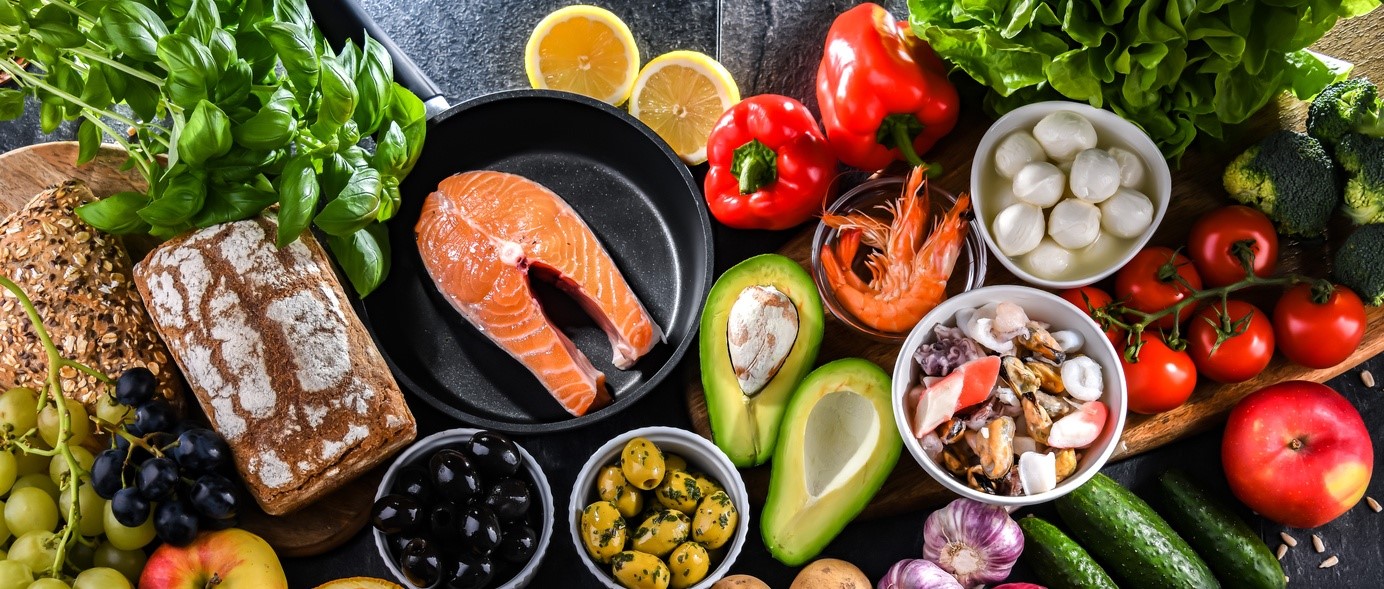
There's no rigid meal plan on Fast 800, but what you eat should follow the principles of a moderately low-carb Mediterranean diet. This involves lots of fruits, vegetables, nuts, and seeds, as well as healthy fats, like those found in olive oil and fish, and fibre-rich carbs, like those found in whole wheat foods and beans. There's plenty of research showing how effective this diet is at significantly lowering obesity and weight-related health problems1, and many of the healthiest and longest living people in the world eat this way.
What is intermittent fasting?
Intermittent fasting involves time-restricted eating - having at least a 12-hour break in between meals - and calorie-restriction in the period when you do eat. In the case of The Fast 800 diet, your calories are restricted to 800 during your eating window. By fasting for at least 12 hours during each 24-hour period, you can trigger your body to burn more energy. There's also mounting evidence that this may also help protect against conditions like diabetes, cardiovascular disease, and glucose intolerance2.
What are the other lifestyle changes on Fast 800?
While you may see a difference by changing your eating habits with The Fast 800 diet, for the best and most sustainable results, founder Dr Mosley encourages combining dietary changes with exercise and mindfulness. Specifically, switching between regular resistance exercise sessions and high-intensity interval training (HIIT) is an effective way to maintain healthy weight loss. Practising mindfulness may not burn calories, but it can help keep you motivated, improve your sleep, and teach self-compassion and relaxation3 - useful tools to help you stick with Fast 800.
What are the rules for The Fast 800 diet?
There are three stages to The Fast 800 diet, each designed to suit your personal needs and goals. As these change, you can switch between each stage.
The Very Fast 800
Stage one is called The Very Fast 800 - and as the name suggests it's all about shifting weight fast. It's therefore recommended for people who need to lose significant weight for health reasons and may not be suitable if your goal is to lose weight gradually and sustainably. Even if The Very Fast 800 is right for you, this stage should only be undertaken for a maximum of 12 weeks.
During this approach you:
Eat 800 calories every day.
Eat a moderately low-carb Mediterranean diet.
Exercise regularly - a mix of short HIIT and resistance training sessions.
By restricting calories and cutting out refined carbs with Mediterranean-style eating, the aim of this stage is to reduce fat stores and promote better blood sugar levels and insulin response.
The New 5:2
After The Very Fast 800, stage two moves on to a more gradual and sustainable way to reach and maintain a healthy weight. The New 5:2 is an adaptation of Michael Mosley's original 5:2 diet, which involves intermittent fasting two days a week. It can be followed long-term, as can stage three.
During this approach you:
Eat 800 calories twice a week.
Have no calorie restrictions the remaining five days.
Eat a moderately low-carb Mediterranean diet.
Exercise regularly - a mix of short HIIT and resistance training sessions.
Way of Life
Once you've achieved your healthy weight goal with stage one and/or two, stage three - called Way of Life - is all about maintaining this weight and healthy lifestyle long-term. Restricting calories to 800 per day is neither realistic nor healthy in the long run. Instead, you can opt for this approach, The New 5:2, or switch between the two to stay fit and healthy.
During this approach you:
Have no calorie restrictions.
Eat a moderately low-carb Mediterranean diet.
Exercise regularly - a mix of short HIIT and resistance training sessions.
Does The Fast 800 diet work?
We've looked at how eating Mediterranean style, intermittent fasting, exercise, and mindfulness are each associated with healthy weight and a reduced chance of certain diseases. Dr Mosley believes that the 800-calorie rule is the most effective way to help you get there if you have a lot of weight to lose.
This is based on several studies, including the DiRECT trial - a major study that found an 800 calorie-a-day diet can lead to major weight loss and reverse type 2 diabetes4:
24% of participants lost more than 15kg in 12 months.
46% of participants reversed their diabetes in 3 - 5 months.
However, neither the NHS nor The Fast 800 diet recommends following this restrictive stage - The Very Fast 800 - for longer than 3 months (12 weeks) due to safety concerns. But this is enough time to see significant improvements in weight, related diseases, and other health markers that come with cutting down on processed foods, refined sugars, and unhealthy fats - for example, improved moods, better sleep, and more energy.
Is The Fast 800 diet safe?
The New 5:2 and Way of Life are generally considered safe for most people, with no time limits in place for how long you can follow these approaches. However, The Very Fast 800 isn't right for everyone, and those who can undertake it must do so for a maximum of 12 weeks.
Here's why:
Very low-calorie diets (VLCDs) are typically only recommended for people with obesity-related health risks, where losing weight quickly could significantly benefit their health. For most other people, eating up to 1,900 calories for men and 1,400 calories for women should result in healthy weight loss5.
VLCDs may affect blood sugar levels, so if you're prescribed insulin or diabetic medication you must discuss this diet plan with your doctor.
With VLCDs you are getting much less energy than before. This can lead to side effects like tiredness and brain fog. You also need to ensure you're staying hydrated with 2-3 litres of calorie-free drinks a day - preferably water - to avoid dehydration, associated headaches and constipation, or its more serious side effects.
While it's possible to get the short-term nutrition you need with VLCDs, it's much easier to miss out on essential vitamins and minerals. Sticking to the Mediterranean diet is important, and your doctor can also suggest food supplements to support you during this time.
Can I try The Very Fast 800 diet stage?
Check with your doctor if:
You're under 18 years old.
You're over 65 years old.
You're pregnant, breastfeeding, or undergoing fertility treatment.
You have a pre-existing medical condition, including type 2 diabetes.
You're on medication, including warfarin and blood pressure tablets.
Do not do The Very Fast 800 diet if:
You have type 1 diabetes.
You have type 2 diabetes and are on insulin or any medication that can cause hypoglycaemia.
You're underweight or you have an eating disorder.
You have a heart condition.
You're recovering from surgery.
You're an athlete or undergo a lot of high-intensity physical activity.
The Fast 800 diet recipes
Vegans note - there are no dedicated vegan fasting meal plans on The Fast 800 diet online plan. It's possible to adapt the Way of Life stage for a plant-based diet, but you'll need to make sure you're consuming enough protein.
Sample breakfast Fast 800 diet recipes:
Omnivores/vegetarians: Try the green brekkie bowl.
Omnivores/vegetarians: Try these banana pancakes.
Sample lunch Fast 800 diet recipes:
Omnivores: Prepare this Mediterranean tuna salad.
Vegetarians: Cook a Mediterranean omelette.
Vegans: Make a chickpea soup with greens.
Sample dinner Fast 800 diet recipes:
Omnivores: Slow cook this lamb stew.
Vegetarians: Try a vegetarian chilli.
Vegans: Cook a low calorie thoran.
Sample treats Fast 800 diet recipes:
Ominvores/vegetarians: Indulge in choc berry bites.
Ominvores/vegetarians: Enjoy a plum crumble.
Further reading
Patient picks for Diet
Diet and nutrition
Is the Okinawa diet a recipe for longevity?
Once called the land of immortals, the island of Okinawa is home to some of the world's oldest and healthiest residents. These centenarians grew up eating a traditional Okinawa diet, with the ingredients available to them. We speak to an expert about replicating this way of eating, to promote healthy ageing and longevity - no matter where in the world you are. Hint: it's not just what you eat, but how.
by Lynn Stephen
Diet and nutrition
Why is cottage cheese the new diet trend?
You can dip vegetables in it, top your granola with it, and use it as a pasta sauce base. In fact, there are many things you can do with cottage cheese - and you may just want to, when you learn how nutritious this versatile cheese really is.
by Victoria Raw
About the authorView full bio

Amberley Davis
Senior writer
BA (Hons), CPD
Amberley is a senior writer with Patient and has written extensively on a range of health and wellbeing topics.
About the reviewerView full bio

Dr Krishna Vakharia, MRCGP
Chief Medical Officer for Health, Optum UK
MBChB, MRCGP(2013), BMedSci (hons), DFSRH, DRCOG, PGDipDerm (Distn)
Dr Krishna Vakharia is an NHS GP. She is also a regular examiner for the postgraduate Diploma in Practical Dermatology at Cardiff University as well as being the Chief Medical Officer for health at Optum UK.
Article history
The information on this page is peer reviewed by qualified clinicians.
Article also available in English, German, Spanish, French, Italian, Portuguese, Hindi, Hebrew, Arabic, and Swedish.
22 Sept 2023 | Originally published
Authored by:
Amberley DavisPeer reviewed by
Dr Krishna Vakharia, MRCGP
Join the conversation
Share your thoughts or experiences with others in our patient communities.

Ask, share, connect.
Browse discussions, ask questions, and share experiences across hundreds of health topics.

Feeling unwell?
Assess your symptoms online for free
Sign up to the Patient newsletter
Your weekly dose of clear, trustworthy health advice - written to help you feel informed, confident and in control.
By subscribing you accept our Privacy Policy. You can unsubscribe at any time. We never sell your data.
More in diet and nutrition
- 5 easy vegan swaps for Veganuary 2026
- 6 deliciously healthy berries and recipes
- 10 sources of plant-based protein for bone health
- 10 surprising health benefits of cabbage
- 12 trusted diets for your new year goals
- Can a plant-based diet improve your migraines?
- Can psychology diet apps help you eat more mindfully?
- DASH diet - healthy eating that helps lower blood pressure
- Eat your way to a healthy heart: tasty recipe ideas for every meal
- Have a happy and healthy Ramadan
- How to build muscle on a vegan diet
- How to improve your immunity through diet and lifestyle
- PCOS diet: What to eat to manage symptoms
- Probiotics for IBS: do they work?
- Two soft drinks a day may increase risk of early death
- Vitamin D toxicity: 5 signs you’ve taken too much
- What does vitamin C serum do?
- What is the Atlantic diet?
- What is the Volumetrics diet, and should you try it?
- Which foods help to fight infection?