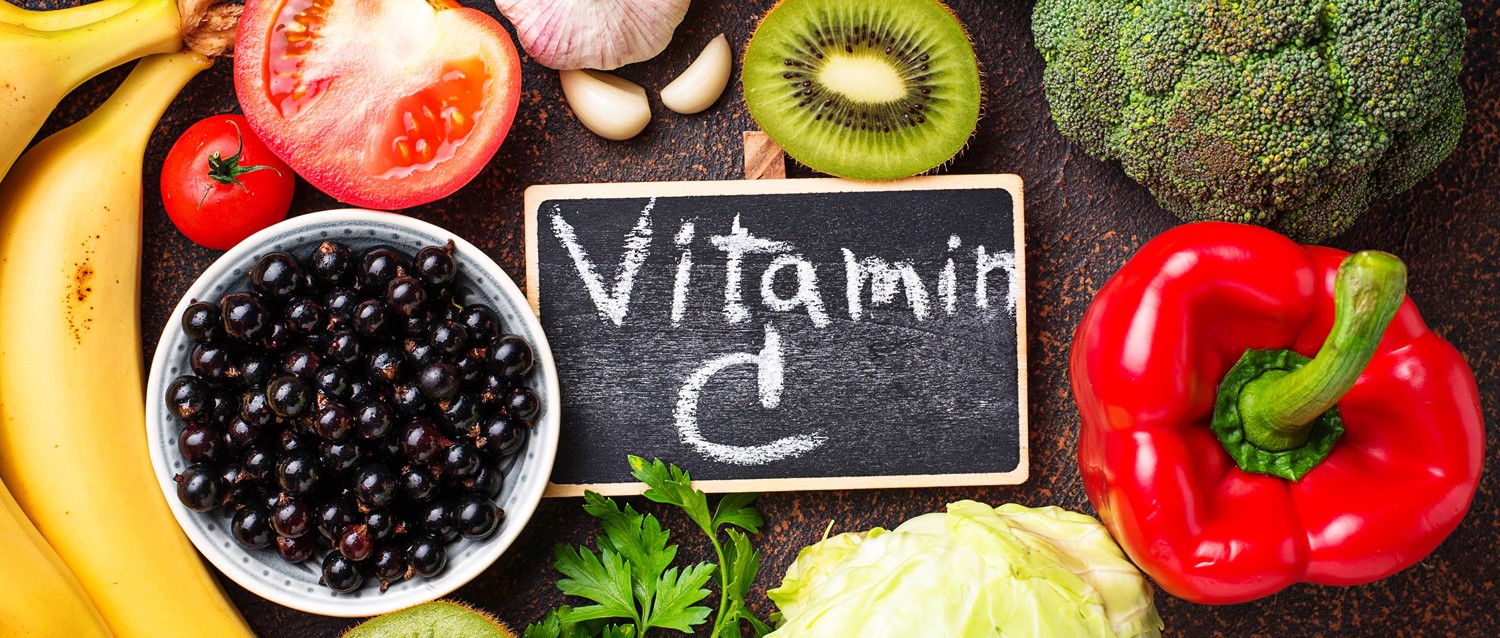
Vitamin C: benefits, sources, and deficiency
Revisione paritaria di Dr Krishna Vakharia, MRCGPAutore Amberley DavisPubblicato originariamente 17 Nov 2022
Rispetta le linee guida editoriali
- ScaricaScarica
- Condividi
- Language
- Discussione
- Versione audio
Most of us know vitamin C is good for us, but do you know all the ways that this essential nutrient benefits your health? Here you can find out how easy it is to get enough vitamin C, as well as what happens when you consume too little and too much.
In questo articolo:
Video consigliati per Vitamine e integratori
Continua a leggere sotto
What is vitamin C?
Vitamin C, also called L-ascorbic acid, is an essential nutrient we all need for good health. This vitamin supports many important functions in our bodies and helps to maintain our blood vessels, bones, and skin.
Benefits of vitamin C
Torna ai contenutiAs vitamin C plays a role in the health and maintenance of so many organs and systems inside us, the list of vitamin C benefits is an extensive one. Here are some of the most important rewards you can get from consuming enough of this super vitamin.
Protection against disease and illness
Vitamin C may help to ward off certain illnesses and long-term diseases in several ways1:
It's an antioxidant that helps to fight inflammation and widens your blood vessels - this can reduce the risk of associated diseases like ipertensione.
It protects against free radicals - these are harmful molecules in the body that can damage cells. Free radicals have a role to play in the development of conditions such as cancro e malattie cardiache.
It boosts the immune system - helping your body to fight a range of illnesses.
Guarigione delle ferite
Vitamin C is used by our bodies to produce la produzione di collagene, an important structural protein in our skin, muscles and bones. One of the ways in which collagen keeps us healthy is by promoting wound healing2, helping to mend injuries that break the skin and other body tissues while protecting us from l'infezione.
Strong and healthy skin and bones
Vitamin C benefits also include the general health and strength of our skin and bones. In the skin, its antioxidant properties and role in collagen production helps protect against skin ageing and other skin complaints - this is why you'll find vitamin C in many skincare products. As an anti-inflammatory, this vitamin can also help to prevent inflammatory artrite and may support people with osteoartrite3.
Iron absorption
This nutrient helps our bodies absorb another vital nutrient - iron. We need iron for growth and development, and when we don't absorb enough we may experience weakness, fatigue, and problems with memory and concentration. This health issue is called iron-deficiency and it can lead to long-term complications if left untreated4.
Continua a leggere sotto
Good sources of vitamin C
Torna ai contenutiWe get the vitamin C we need through the food we eat. It's a water-soluble vitamin, meaning that once inside us it dissolves in water and is delivered straight to the body's tissues, but we are unable to store it. For this reason, we need to consume foods with vitamin C content every day in order to stay healthy.
For the best sources of vitamin C, turn to fruit and vegetables. According to Reema Patel, dietitian at DietitianFit, the following common citrus fruits contain a high dose of vitamin C:
Limoni.
Lime.
Oranges.
Kiwi.
Grapefruit.
She adds that other good sources include:
Peperoni.
Pomodori.
Berries.
Potatoes.
Cavoletti di Bruxelles.
You can also take daily vitamin C supplements to bolster your vitamin C levels. However, remember that a dietary supplement is only good for you when taken in addition to - and not instead of - a healthy, nutrient-rich diet.
How much vitamin C per day?
Torna ai contenuti"Adults need 40 milligrams (mg) of vitamin C per day5," says Patel. "This is usually easy to get through your diet. For example, one medium orange has around 70-80 mg of vitamin C and two kiwis provide more than 130 mg of vitamin C."
However, certain people are more at risk of not getting enough vitamin C through food alone. This makes them more vulnerable to the health problems associated with vitamin C deficiency.
Continua a leggere sotto
Vitamin C deficiency
Torna ai contenutiNot getting enough vitamin C persistently, usually over a period of three months or more, is known as carenza di vitamina C. The following groups have a higher risk of this condition:
People with a dependency on alcohol o other drugs who may also have a poor diet.
People on very restrictive diets.
People who fumi regularly.
People with a medical condition that inhibits healthy digestion and absorption of food, such as morbo di Crohn.
Older people who eat a less varied diet.
Pregnant and breastfeeding women as they need higher doses of vitamin C.
Vitamin C deficiency can lead to scurvy, although Patel adds that the likelihood of developing scurvy in the UK is very low.
She describes the common symptoms of scurvy:
Sore joints.
Delayed wound healing or easy bruising.
Umore basso.
Can you have too much vitamin C?
Torna ai contenutiJust as it's possible to not get enough vitamin C, you can also consume too much - although this isn't an easy thing to achieve through food alone. Large doses of vitamin C - that exceed 1000mg a day - are most likely the result of taking too many vitamin C supplements. If supplementing, make sure you're not taking more than 75 mg a day for a women and more than 90 mg a day for a man.
Too much vitamin C can lead to side effects such as diarrea and stomach pain. While uncomfortable and inconvenient, these symptoms tend to be temporary, disappearing once supplementation in large doses is stopped.
Ulteriori letture
Torna ai contenutiScelte dei pazienti per Vitamine e integratori

Dieta e nutrizione
Come prepararsi con le vitamine per autunno e inverno
L'inverno potrebbe essere l'ultima cosa a cui pensi mentre godi dei raggi del sole che diminuiscono, ma non sbagliarti, quei giorni più bui con i loro colpi di tosse e starnuti sono dietro l'angolo. Quindi, cosa puoi fare oltre a fare scorta di fazzoletti e Lemsip? Continua a leggere per il tuo piano passo dopo passo per prepararti con le vitamine all'inverno.
di Dr Carrie Ruxton, PhD, Nutrizione Infantile

Dieta e nutrizione
La kombucha può migliorare la tua salute?
Il kombucha - un tempo una bevanda salutistica di nicchia - è diventato un elemento di base della dieta, grazie alla sua combinazione unica di idratazione, sapore e bollicine. Ma oltre al suo gusto distintivo, scopri se i benefici per la salute del kombucha sono all'altezza della sua reputazione.
di Victoria Raw
Continua a leggere sotto
Storia dell'articolo
Le informazioni su questa pagina sono revisionate da clinici qualificati.
17 Nov 2022 | Pubblicato originariamente
Autore:
Amberley DavisRevisione paritaria di
Dr Krishna Vakharia, MRCGP

Chiedi, condividi, connettiti.
Esplora le discussioni, fai domande e condividi esperienze su centinaia di argomenti di salute.

Non ti senti bene?
Valuta i tuoi sintomi online gratuitamente
Iscriviti alla newsletter di Patient
La tua dose settimanale di consigli sulla salute chiari e affidabili - scritti per aiutarti a sentirti informato, sicuro e in controllo.
Abbonandoti accetti il nostro Informativa sulla Privacy. Puoi annullare l'iscrizione in qualsiasi momento. Non vendiamo mai i tuoi dati.