What are ultra processed foods and do they cause cancer?
Peer reviewed by Dr Colin Tidy, MRCGPLast updated by Amberley DavisLast updated 10 Oct 2023
Meets Patient’s editorial guidelines
- DownloadDownload
- Share
- Language
- Discussion
- Audio Version
- Add to preferred sources on Google
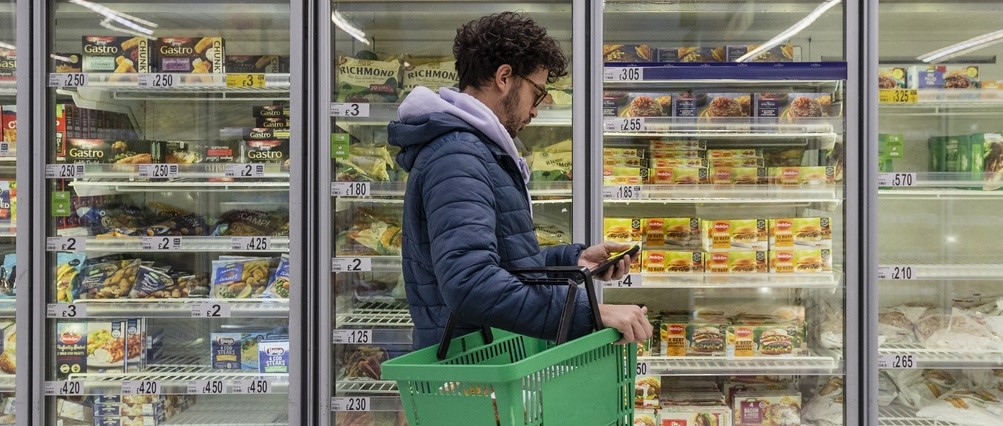
After a long day, many of us reach for cheap, convenient foods to make dinner quicker and easier, like ready-made pasta sauces or straight-to-the-oven meals. But even those that seem healthy - like a jar of tomato sauce - are often classed as ultra-processed foods. And eating too much of these can have a serious impact on our health and may even lead to addiction.
What are ultra-processed foods?
Ultra-processed food (UPF) is food that you cannot make in your own kitchen because it contains a lot of ingredients that you tend not to find in your cupboards. These foods are often cheap, convenient and have a long shelf-life.
Reema Patel, registered dietitian at Dietitian Fit, says ultra-processed foods normally have a long list of ingredients. "The ingredients may include additives such as emulsifiers, sweeteners, preservatives and stabilisers," she says.
Examples of ultra-processed foods Crisps, sweets, ice cream, fizzy drinks, pastries, cereals, fruit-flavoured yoghurts, ready meals, sausages, bacon, hot dogs, chicken nuggets, instant soups, ready-made sauces and vegan ‘meat’ substitutes.
These foods may also contain artificial flavours and although many are calorific, they tend to contain few nutrients that are good for us.
Are ultra processed foods bad for our health?
It’s accepted that ultra-processed foods don’t offer us many health benefits and therefore should be avoided or eaten in moderation. However, foods can be processed in many different ways, so some are worse for us than others.
Foods that are technically processed, such as low-sugar breakfast cereals, may contain added vitamins or minerals - so may be included as part of a healthy diet, however - they are often full of sweeteners and other chemicals. Many other processed foods contain a lot of sugar which makes us want to eat more as it activates the reward centre of our brains, which in turn makes us feel good.
Experts identify addiction to ultra-processed food as a big problem
In October 2023, a global report looked at data from 36 countries. It found that1:
14% of adults have ultra-processed food addiction.
12% of children have ultra-processed food addiction.
Among adults, this prevalence is similar to addiction rates seen for other legal substances, such as alcohol and tobacco.
Among children, this prevalence of addiction is unprecedented.
Experts are now calling for addiction to ultra-processed foods to be a clinically recognised type of substance use disorder.
Processed meats that are high in salt or fat like sausages or bacon have been linked to cancer2.
"There is a relationship between a high intake of ultra-processed foods and certain health conditions, including cardiovascular disease3," says Patel. "Studies from 2023 showed that risk of certain cancers was related to the increased eating of ultra processed foods. This included breast, colorectal and pancreatic cancers4."
A review of 43 studies found that in 37 of the studies, at least one adverse health outcome was associated with consuming ultra-processed foods. These included obesity, heart disease, cancer, type 2 diabetes, irritable bowel syndrome and even depression5.
More research is needed to understand the connection between ultra-processed foods and cancer. But it’s thought that the link may be due to the fact that ultra-processed foods generally contain more fats, sugars and salts. Also, ultra-processed foods raise our blood sugars higher than foods that are less processed.
"These foods often lack nutrients such as vitamins, minerals and fibre - which are all known to help support health and reduce risk of illness," says Patel.
What is the difference between ultra-processed foods and processed foods?
The term ultra-processed foods comes from the NOVA food classification system, which was developed by researchers at the University of São Paulo in Brazil6. There are four groups:
Unprocessed or minimally processed foods
This includes fruit, vegetables, milk, fish, pulses, eggs, nuts and seeds that have no added ingredients and haven’t really been changed from their natural state.
Processed ingredients
This includes foods that are added to other foods rather than eaten by themselves, such as salt, sugar and oil.
Processed foods
These are foods that are made by combining foods from groups 1 and 2, which are altered in a way that home cooks could do themselves. They include foods such as jam, tinned fruit and vegetables, homemade breads and cheeses.
Ultra-processed foods
Ultra-processed foods usually have five or more ingredients. They tend to include many additives and ingredients that are not typically used in home cooking, such as preservatives, emulsifiers, artificial sweeteners and flavours.
How to cut down on ultra-processed foods
Eating ultra-processed foods every so often is unlikely to cause any significant problems. But eating them every day can increase your risk of health issues, so it’s important to cut down your intake of them. To do this, focus your diet on whole fruits, vegetables and minimally-processed foods like potatoes, wholegrains and breads.
Simpler foods, like a pasta dish with fresh tomatoes or a quick home-made sauce from chopped tomatoes, onion and garlic, are less processed than ready-meals. And if you cook sauces or meals in batches and freeze them, they can be a quick and cheap dinner.
Vegetables that are in season are often cheaper in supermarkets and lentils, beans or other pulses like chickpeas can bulk up a meal easily. Garlic, herbs and spices can make a dish tasty without additives like sweeteners or artificial flavours.
When shopping, check the labels of the foods you’re buying. If there’s a long list of ingredients that you haven’t heard of, it’s probably ultra-processed.
Further reading
Patient picks for Healthy eating
Diet and nutrition
Is the food traffic light labelling system useful?
These days supermarkets are bursting with an overwhelming variety of packaged food and drinks to suit all dietary wants and needs. But it's not just choice that has increased - there's now more nutritional information on food packaging than ever. The question is, is this info actually helping us make healthier choices?
by Rose Constantine Smith, ANutr

Diet and nutrition
What is inflammation and which foods reduce it?
Inflammation is a good thing in the right circumstances. Let’s take an example such as bashing your toe against a rogue paving stone. The toe swells up due to fluid and immune substances, like macrophages, rushing to the area to assess and fix the damage. Your toe stiffens and feels sore, making you want to rest it. After several days, the swelling and stiffness recede and gradually your toe feels better. Now you can get out walking again.
by Dr Carrie Ruxton, PhD, Child Nutrition
About the authorView full bio
Updated by

Amberley Davis
Senior writer
BA (Hons), CPD
Amberley is a senior writer with Patient and has written extensively on a range of health and wellbeing topics.
Authored by

Lydia Smith
Feature writer
BA, MA, MSc
Lydia Smith is an award-winning journalist and feature writer who has written extensively on women's health and mental health. She is currently studying for an MSc in psychology.
About the reviewerView full bio

Dr Colin Tidy, MRCGP
General Practitioner, Medical Author
MBBS, MRCGP, MRCP (Paediatrics), DCH
Dr Colin Tidy is an NHS Doctor, based in Oxfordshire.
Article history
Article also available in English, German, Spanish, French, Italian, Portuguese, Hindi, Hebrew, Arabic, and Swedish.
Next review due: 10 Oct 2026
10 Oct 2023 | Latest version
25 Sept 2023 | Originally published
Authored by:
Lydia Smith
Join the conversation
Share your thoughts or experiences with others in our patient communities.

Ask, share, connect.
Browse discussions, ask questions, and share experiences across hundreds of health topics.

Feeling unwell?
Assess your symptoms online for free
Sign up to the Patient newsletter
Your weekly dose of clear, trustworthy health advice - written to help you feel informed, confident and in control.
By subscribing you accept our Privacy Policy. You can unsubscribe at any time. We never sell your data.