Sbiancamento dei denti
Revisione paritaria di Dr Hayley Willacy, FRCGP Autore Toothpick Pubblicato originariamente 23 Feb 2015
Rispetta le linee guida editoriali
- ScaricaScarica
- Condividi
- Language
- Discussione
- Versione audio
- Aggiungi alle fonti preferite su Google
Avviso sui contenuti
Questa pagina non è stata aggiornata di recente, quindi alcune informazioni o alcuni link esterni potrebbero essere cambiati.
Quando si tratta di denti più bianchi, anche chi ha una routine di igiene orale impeccabile finirà per avere un certo livello di scolorimento nel tempo. Fortunatamente, ci sono diversi metodi rapidi e semplici per sbiancare i denti e schiarirne il colore senza danneggiare la salute dentale. La maggior parte dei kit sbiancanti funziona utilizzando un agente sbiancante, di solito a base di perossido. Questo, se usato a livelli sicuri, è un modo efficace per rimuovere le macchie all'interno del dente che causano lo scolorimento.
A colpo d'occhio
Tooth whitening is a way to lighten the shade of your natural teeth.
Professional whitening methods include chair-side, dentist-supervised home, and laser treatments.
A dentist will assess if you are suitable for tooth whitening, especially if you have gum disease.
Whitening only works on natural teeth; false teeth, crowns, or fillings will not change colour.
After treatment, teeth can be sensitive, so avoid very hot or cold food and drink.
Only a qualified dental professional can legally perform or supervise tooth whitening in the UK.
The effects of teeth whitening are not permanent and can fade, especially with certain foods or smoking.
There are a number of ways you can have a tooth whitening treatment administered:
Chair-side whitening
This method will take a couple of weeks and require multiple trips to your dentist. After a consultation, your first appointment will involve having a mould of your teeth cast using dental putty. Over the next 5-10 days a technician will use this mould to create a custom-made tooth whitening tray for you. Once the tray is ready, you’ll go back to the dentist who will perform the whitening process.
teeth whitening
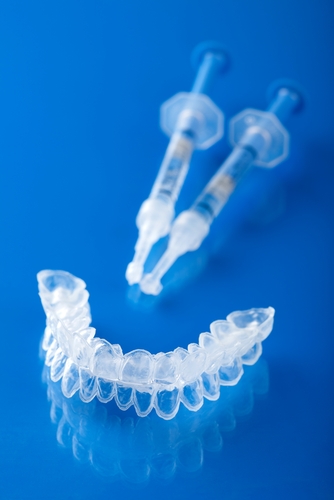
First, a protective gel or a rubber shield will be applied to your gums. Then, the tooth whitening tray is filled with a bleaching agent and worn like a mouth guard. The agent will oxidise stains and get into the enamel and dentine of the teeth, lightening their shade. This will take 30 minutes to an hour. Depending on the look you are trying to achieve, you may need to come back a few more times. This treatment is used less these days as more effective methods are available.
Dentist-supervised home whitening
This is essentially the same as chair-side whitening except that, once you’ve had your mould made, your dentist will instruct you how to perform the rest of the whitening treatment in your own home. This home teeth whitening option is less expensive than chair-side whitening and useful for those with busy schedule who are unable to make repeated visits to the dentist.
Laser whitening
Laser teeth whitening, sometimes known as 'power whitening', is a quicker, if more expensive treatment. Like other whitening methods, the teeth are bleached so as to appear whiter. However, in the case of laser treatment, this is achieved by applying a teeth whitening gel and then shining a powerful light on your teeth to accelerate the process of removing the internal tooth stains.
The bleaching solution used for a laser whitening treatment usually contains a higher concentration of peroxide than would be used in other methods, so a protective gel will be applied to your lips and gums. In addition, the gums will be covered with rolls of cotton wool and a retractor will be used to keep your lips and cheeks a safe distance from your teeth.
The whole process is very quick and you can be in and out of the dentist’s practice within the space of two hours. Some patients may experience an instant improvement but require dentist-supervised home whitening in addition, particularly when the level of staining is advanced.
Who is whitening appropriate for?
Anyone with a healthy mouth should benefit from a teeth whitening treatment. However, if you have gum disease or other dental problems, your dentist may decide that teeth whitening will not be suitable, until successfully treated. You should also be aware that whitening will only work on natural teeth; false teeth, crowns, bridges, fillings and veneers will be unresponsive to the process. This could potentially leave your with teeth with uneven colouration. If you have de-calcifications (white spots) on your teeth, these might actually become more noticeable after bleaching. It's important that during the pre-treatment consultation you understand the need and cost for additional treatment to replace crowns, veneers and fillings.
Treatment has been successfully carried out by professionals for decades and millions of people worldwide have benefited from this treatment.
Is teeth whitening painful?
Most people find that their teeth are much more sensitive for the next couple of days following treatment. This is not usually experienced as a constant pain, but intermittent bursts of discomfort. It’s recommended that you avoid especially hot or cold food or drink for around 24-48 hours after treatment. Your dentist will provide advice on how to manage the short-term pain after treatment.
Why go to a dentist when home whitening kits are available?
When dealing with a bleaching agent such as peroxide, it is possible to burn yourself. As a result, DIY home kits, including teeth whitening strips, cannot be sold at the same strength as professionals would use. This means they will be less effective, or require a more frequent use to achieve the same results. This, in turn, could lead to gum irritation and sensitive teeth. Incorrect use or overuse of bleach could also damage the enamel, which is why these treatments should be avoided, even if they appear cheaper than professional treatment.
Legally, in the UK, teeth whitening products which contain or release between 0.1 and 6 percent hydrogen peroxide cannot be sold to anyone outside the dental profession.
Can I get my teeth whitened by a beauty salon?
No. New legislation was introduced at the end of 2012 that means that teeth whitening must only be performed after a clinical examination by a qualified dentist. Additionally, the dentist must perform the first treatment or supervise another qualified dental professional, under prescription. Only after this appointment can the dentist dispense the tooth whitener for supervised home whitening.
Illegal tooth whitening conducted by unlicensed practitioners without dental training who use too much hydrogen peroxide could result in permanent damage to teeth and gums. And should be avoided at all costs.
Will the effects be permanent?
No. Your teeth will still be susceptible to staining after the treatment. This means the effect will fade, particularly if you drink tea, coffee, and red wine or are a smoker. The whitening offered by bleaching kits tends to offer more enduring results than laser treatment effects but takes longer to achieve.
How much does teeth whitening cost?
It depends on the dentist and the method of whitening you opt for, but you can expect to pay between £200-£900, with dentist supervised whitening kits providing the cheapest option and laser treatment being the most expensive, usually.
This article was provided by Toothpick, the leading provider of appuntamenti dentistici online in the UK.
Scelte del paziente per Problemi dentali

Cura orale e dentale
Trattamenti canalari
Un trattamento canalare viene eseguito se hai un'infezione al centro del dente. Il trattamento canalare non è doloroso e può salvare un dente che altrimenti dovrebbe essere rimosso completamente.
da Dott. Ben Williams, MB ChB
Cura orale e dentale
Impianti dentali
Un impianto dentale è un modo moderno per sostituire i denti mancanti. Assume la forma di un perno in titanio che si fissa nell'osso mascellare ed è sormontato da un dente artificiale. La corona del tuo impianto dentale sarà quasi indistinguibile dal resto dei tuoi denti e funzionerà come un dente normale, rendendo gli impianti una soluzione molto attraente e a lungo termine. Il processo può durare tra due e sei mesi, poiché la corona viene montata una volta che il perno in titanio si è integrato con l'osso mascellare. Gli impianti dentali sono generalmente eseguiti da dentisti estetici privati e sono raramente offerti dal SSN. Chiunque abbia denti e gengive sani può farsi applicare un impianto.
di Toothpick
Domande frequenti
What is the primary difference between 'chair-side whitening' and 'dentist-supervised home whitening' if both use a custom tray?
The main difference lies in where the actual whitening process occurs. With chair-side whitening, the dentist performs the bleaching treatment in their office, often over multiple visits. For dentist-supervised home whitening, after the custom tray is made, you are instructed on how to apply the bleaching agent yourself at home.
If I have existing dental work like crowns or fillings, will professional whitening damage them?
No, professional whitening will not damage existing dental work such as false teeth, crowns, bridges, fillings, or veneers. However, these materials will not respond to the bleaching agent, meaning they will retain their original colour. This could result in uneven tooth colouration if they are not replaced or treated to match your newly whitened natural teeth.
How soon after professional tooth whitening can I resume my normal diet, including hot and cold drinks?
It's recommended that you avoid especially hot or cold food or drink for about 24-48 hours after treatment. Doing so can help manage the increased tooth sensitivity commonly experienced during this period.
Is there a recommended way to maintain the results of teeth whitening for as long as possible?
The article states that your teeth will still be susceptible to staining after treatment, and the effects will fade, particularly if you consume tea, coffee, red wine, or smoke. While not explicitly stated as a recommendation, reducing exposure to these staining agents would logically help prolong the whitening effects.
How does the bleaching agent work to whiten teeth, and does it affect the tooth structure?
The bleaching agent used in professional teeth whitening works by oxidising stains. It penetrates the enamel and dentine of the teeth, which then lightens their shade. The article implies that when supervised by a dentist, this process effectively whitens teeth without damaging the enamel, unlike unsupervised or incorrect use of strong DIY kits.
Informazioni sull'autore
Autore

Toothpick
Informazioni sul recensoreVisualizza il profilo completo

Dr Hayley Willacy, FRCGP
Medico di base, Autore medico
MBChB (1992), DRCOG, DFFP, MRCOG (Part 1) MRCGP (2007), DFSRH (2013), MSc - medical education (2020)
La Dott.ssa Hayley Willacy era un medico di base del NHS che lavorava nel nord-ovest dell'Inghilterra, e si è ritirata dalla pratica clinica nel 2022 dopo 30 anni.
Storia dell'articolo
Articolo disponibile anche in Inglese, Tedesco, Spagnolo, Francese, Italiano, Portoghese, Hindi, Ebraico, Arabo, and Svedese.
23 Feb 2015 | Pubblicato originariamente
Autore:
Toothpick
Revisione paritaria di
Dr Hayley Willacy, FRCGP
Partecipa alla conversazione
Condividi i tuoi pensieri o esperienze con gli altri nel nostro comunità di pazienti.

Chiedi, condividi, connettiti.
Esplora le discussioni, fai domande e condividi esperienze su centinaia di argomenti di salute.

Non ti senti bene?
Valuta i tuoi sintomi online gratuitamente
Iscriviti alla newsletter di Patient
La tua dose settimanale di consigli sulla salute chiari e affidabili - scritti per aiutarti a sentirti informato, sicuro e in controllo.
Abbonandoti accetti i nostri Informativa sulla Privacy. Puoi annullare l'iscrizione in qualsiasi momento. Non vendiamo mai i tuoi dati.