Protesi dentali
Revisione paritaria di Dr Hayley Willacy, FRCGP Autore Toothpick Pubblicato originariamente 23 Feb 2015
Rispetta le linee guida editoriali
- ScaricaScarica
- Condividi
- Language
- Discussione
- Versione audio
- Aggiungi alle fonti preferite su Google
Avviso sui contenuti
Questa pagina non è stata aggiornata di recente, quindi alcune informazioni o alcuni link esterni potrebbero essere cambiati.
Dentures are removable false teeth made from either acrylic or metal that replace missing teeth. While your dentist will aim for you to keep as many of your own teeth is possible, even people who maintain a good dental health routine may require dentures at some stage in their life. Not only can losing teeth cause problems with your speech and eating, it can also have an emotional impact too. Whatever the reasons for tooth loss, dentures can prevent these problems, restore self-confidence, and enhance your appearance by giving extra support to your cheeks and lips. There are several types of dentures to consider depending on your situation, and costs vary accordingly.
A colpo d'occhio
Le dentiere sono denti protesici su misura per sostituire i denti naturali mancanti.
Potresti aver bisogno di protesi complete o parziali, a seconda di quanti denti mancano.
Le protesi dentarie complete immediate vengono adattate subito dopo la rimozione dei denti.
Le protesi parziali riempiono gli spazi e possono essere fissate ai tuoi denti naturali.
Le protesi dentarie generalmente devono essere rimosse di notte per permettere alle gengive di riposare.
I costi del NHS per le dentiere sono £214 in Inghilterra; i costi privati variano notevolmente.
Dovresti comunque visitare regolarmente il tuo dentista per controlli anche se hai le dentiere.
Che tipo di protesi dentarie mi servono?
Le protesi dentarie vengono realizzate prendendo un'impronta dalla tua bocca e sono personalizzate da un tecnico dentale per una vestibilità ottimale. Il colore e la forma delle protesi possono essere regolati per assomigliare il più possibile ai denti naturali.
A seconda di quanti denti mancano, potresti aver bisogno di una protesi completa o di una protesi parziale. Il tuo dentista ti fornirà opzioni in base alle tue circostanze:
Protesi complete immediate
Conosciute anche come protesi totali, queste dentiere verranno applicate se tutti i denti superiori e/o inferiori devono essere rimossi. Nella maggior parte dei casi, il tuo dentista sarà in grado di inserire nuove dentiere immediatamente dopo la rimozione di eventuali denti naturali rimanenti, assicurandoti di non dover rimanere senza denti mentre le gengive guariscono. Le protesi complete si adattano perfettamente alle gengive e all'osso mascellare.
Anche se il tuo dentista avrà preso le misure e modellato la tua mascella durante una visita precedente per garantire che le protesi si adattino immediatamente, le tue gengive e l'osso potrebbero ridursi nel tempo. Questo è particolarmente vero durante i primi sei mesi dopo che i denti sono stati rimossi e la gengiva guarisce. Se questo è il caso, potresti dover far regolare o sostituire le tue protesi per migliorare l'adattamento.
Protesi convenzionali complete
In alcuni casi, il tuo dentista potrebbe consigliarti che le tue gengive devono guarire prima di poter indossare le protesi dentarie. Anche se questo significa che sarai senza denti per diversi mesi, avrai maggiori probabilità di avere protesi che si adattano senza bisogno di regolazioni successive.
Protesi supportate da impianti
Se non sei in grado di indossare protesi dentarie senza assistenza a causa di perdita ossea o di un palato insufficiente, o se le protesi convenzionali non sono adatte, un'opzione potrebbe essere le protesi dentarie assistite da impianti.
A seconda della condizione della tua mascella, verranno inseriti da quattro a sei impianti per ogni arcata, con attacchi speciali a cui si fisserà la protesi. Come per gli impianti dentali singoli, sarà necessario creare un foro attraverso la gengiva fino all'osso mascellare per inserire una radice artificiale in titanio. Questa radice richiederà da due a sei mesi per fondersi con l'osso prima che la protesi possa essere fissata ad essa.
Protesi parziali
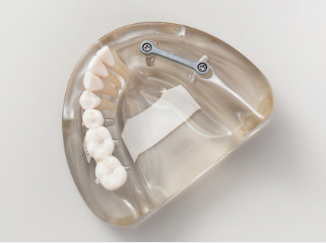
Se hai ancora alcuni dei tuoi denti naturali, potresti aver bisogno solo di una protesi parziale per riempire gli spazi lasciati dai denti mancanti. Le protesi parziali di solito consistono in una placca di metallo o plastica con un certo numero di denti finti attaccati. Queste sono fissate ai tuoi denti naturali con un gancio metallico in modo che possano essere sganciate e rimosse, oppure vengono posizionate corone su alcuni dei tuoi denti naturali per servire da ancoraggio per la protesi.
protesi-parziali
Per quanto tempo dovrei indossare le protesi dentarie?
Per i primi giorni dopo aver messo le protesi dentarie, potrebbe esserti consigliato di indossarle costantemente. Una volta che la tua bocca si sarà abituata a indossarle, dovresti rimuovere le protesi prima di andare a letto. Questo permetterà alle tue gengive di riposare e preverrà lo sviluppo di infezioni fungine.
Quanto costano le dentiere?
Mettere una protesi dentaria è un trattamento di fascia 3, che costa £214 per i pazienti dentali del NHS in Inghilterra. Privatamente, le protesi parziali costeranno oltre £400 e le protesi complete costeranno oltre £600. Il costo delle protesi assistite da impianti varierà significativamente a seconda del lavoro coinvolto, ma è probabile che costi intorno a £3,000 o più. Il tuo dentista può fornirti un preventivo scritto prima che tu decida. Vale la pena notare che gli impianti dentali aiutano a preservare la quantità di osso mascellare che forma la base per supportare la protesi.
Quanto dureranno le dentiere?
Le protesi ben curate dovrebbero durare diversi anni, ma potrebbero aver bisogno di essere ribasate o rifatte dopo l'usura normale o dopo eventuali cambiamenti nella forma della bocca a causa del ritiro delle gengive o dell'osso. Le protesi che non si adattano bene possono causare diversi problemi, tra cui disagio, alito cattivo, piaghe in bocca e infezioni.
Alcune persone che hanno indossato protesi dentarie complete per lunghi periodi possono trovare difficile ottenere protesi ben adattate.
Le dentiere influenzeranno come e cosa posso mangiare?
Quando inizi a portare la dentiera, potresti voler abituarti a mangiare piccoli pezzi di cibi morbidi, evitando qualsiasi cibo particolarmente duro o appiccicoso. Una volta che ti sei abituato alla dentiera, dovresti essere in grado di tornare a una dieta normale e sana.
Devo usare un adesivo per mantenere le protesi dentarie in posizione?
Mentre ti abitui alle tue protesi dentarie, potresti voler usare un fissativo per aiutare a mantenerle in posizione. Questo potrebbe essere necessario anche se le tue gengive si sono ritirate molto. Tuttavia, le protesi ben aderenti non dovrebbero richiedere alcun adesivo per rimanere in posizione.
La mia bocca richiederà cure speciali?
Anche se hai una dentiera completa, dovresti comunque prenderti cura della tua bocca. Spazzola le gengive, la lingua e il palato due volte al giorno con dentifricio e uno spazzolino morbido. Se hai una dentiera parziale, i tuoi denti naturali dovrebbero essere puliti due volte al giorno per prevenire la carie, le malattie gengivali e qualsiasi futura perdita di denti.
Qual è il modo migliore per prendersi cura delle protesi dentarie?
Le dentiere devono essere pulite con la stessa attenzione dei denti naturali e sono altrettanto suscettibili alla placca e ai depositi di cibo intrappolati. Almeno ogni mattina e sera dovresti spazzolarle con dentifricio o sapone e acqua prima di immergerle. Successivamente, dovranno essere immerse in una soluzione detergente per dentiere. È necessario prestare particolare attenzione per rimuovere eventuali tracce di adesivo per dentiere.
Infine, le tue protesi dentarie devono essere spazzolate come faresti con i tuoi denti, con dentifricio e uno spazzolino a testa piccola. Se le tue protesi hanno accumuli di placca o macchie, il tuo dentista o igienista può pulirle per te.
Se rimuovi la dentiera durante la notte, conservala in una piccola quantità d'acqua per evitare che si deformi.
Ricorda che le dentiere possono essere piuttosto delicate e possono scheggiarsi, incrinarsi o rompersi se cadono, quindi presta particolare attenzione quando le pulisci. Non cercare di regolare le dentiere poiché potresti danneggiarle irreparabilmente.
Quanto spesso dovrei andare dal dentista?
Anche se hai una dentiera completa, dovresti pianificare di vedere regolarmente il tuo dentista per un controllo in modo che possa monitorare la salute del rivestimento della tua bocca e assicurarsi che la tua dentiera si adatti correttamente.
This article was provided by Toothpick, the leading provider of appuntamenti dentistici online in the UK.
Scelte del paziente per Problemi dentali

Cura orale e dentale
Placca dentale e malattie gengivali
Un accumulo di placca e tartaro può portare a gengive infiammate e infette. La malattia gengivale lieve è chiamata gengivite e di solito non è grave. Una malattia gengivale più grave (parodontite) può portare alla caduta dei denti. Una buona igiene orale include la spazzolatura regolare dei denti e la pulizia tra i denti - ad esempio, con il filo interdentale. Questo può solitamente prevenire la malattia gengivale e trattare la malattia gengivale da lieve a moderata. Trattamenti dentali specialistici possono essere necessari per la malattia gengivale grave.
da Dott. Ben Williams, MB ChB

Cura orale e dentale
Denti del giudizio
In totale, gli adulti possono aspettarsi di avere quattro denti del giudizio: uno su ciascun lato della mascella superiore e inferiore. Occasionalmente noti come 'terzi molari', i denti del giudizio sono gli ultimi a spuntare e il loro arrivo, che a volte può avvenire tardi nei tuoi vent'anni, non è sempre ben accolto. In alcuni casi non c'è abbastanza spazio nell'osso mascellare per far spuntare questi denti extra e, sfortunatamente, questo può causare una serie di problemi dolorosi. Spesso il disagio e il dolore scompaiono da soli, ma a volte i denti del giudizio devono essere rimossi. La procedura è solitamente rapida e viene eseguita con anestesia locale, con un tempo di recupero di un paio di giorni.
di Dr Hayley Willacy, FRCGP
Domande frequenti
Qual è la differenza tra protesi complete immediate e convenzionali?
Le protesi dentarie complete immediate vengono applicate immediatamente dopo la rimozione dei denti naturali rimanenti, così non devi rimanere senza denti. Tuttavia, le gengive e l'osso si ridurranno durante la guarigione, richiedendo potenzialmente aggiustamenti o sostituzioni in seguito. Le protesi dentarie complete convenzionali prevedono un periodo di attesa di diversi mesi affinché le gengive guariscano prima di essere applicate. Ciò significa che sarai senza denti per un certo periodo, ma le protesi avranno maggiori probabilità di adattarsi senza necessitare di aggiustamenti successivi.
Quando potrebbero essere raccomandate le protesi dentali supportate da impianti?
Le protesi supportate da impianti potrebbero essere consigliate se hai difficoltà a indossare protesi non supportate a causa di fattori come la perdita ossea o un palato insufficiente, o se le protesi convenzionali non sono adatte a te. Questa opzione prevede il posizionamento chirurgico di impianti in titanio nel tuo osso mascellare per fornire un attacco stabile per la protesi, richiedendo un periodo di guarigione affinché gli impianti si fondano con l'osso.
Di cosa sono fatte le protesi parziali e come rimangono in posizione?
Le protesi parziali consistono tipicamente in una placca di metallo o plastica con denti finti attaccati per riempire gli spazi dove mancano i denti naturali. Di solito sono fissate ai denti naturali esistenti con un gancio di metallo, permettendo di sganciarle e rimuoverle. In alternativa, si possono posizionare corone su alcuni dei denti naturali per fungere da ancoraggi per la protesi.
Quanto tempo impiegano gli impianti a fondersi con l'osso per le protesi supportate da impianti?
Per le protesi dentali supportate da impianti, una volta che le radici artificiali in titanio (impianti) sono inserite nell'osso mascellare, di solito occorrono da due a sei mesi affinché si fondano con l'osso prima che la protesi possa essere fissata in modo sicuro.
Posso regolare da solo le mie protesi dentarie se diventano scomode?
No, non dovresti tentare di regolare le tue protesi dentarie da solo. Possono essere piuttosto delicate e cercare di regolarle potrebbe causare danni irreparabili. Se le tue protesi sono scomode o non si adattano correttamente, dovresti consultare il tuo dentista.
Informazioni sull'autore
Autore

Toothpick
Informazioni sul recensoreVisualizza il profilo completo

Dr Hayley Willacy, FRCGP
Medico di base, Autore medico
MBChB (1992), DRCOG, DFFP, MRCOG (Part 1) MRCGP (2007), DFSRH (2013), MSc - medical education (2020)
La Dott.ssa Hayley Willacy era un medico di base del NHS che lavorava nel nord-ovest dell'Inghilterra, e si è ritirata dalla pratica clinica nel 2022 dopo 30 anni.
Storia dell'articolo
Articolo disponibile anche in Inglese, Tedesco, Spagnolo, Francese, Italiano, Portoghese, Hindi, Ebraico, Arabo, and Svedese.
23 Feb 2015 | Pubblicato originariamente
Autore:
Toothpick
Revisione paritaria di
Dr Hayley Willacy, FRCGP
Partecipa alla conversazione
Condividi i tuoi pensieri o esperienze con gli altri nel nostro comunità di pazienti.

Chiedi, condividi, connettiti.
Esplora le discussioni, fai domande e condividi esperienze su centinaia di argomenti di salute.

Non ti senti bene?
Valuta i tuoi sintomi online gratuitamente
Iscriviti alla newsletter di Patient
La tua dose settimanale di consigli sulla salute chiari e affidabili - scritti per aiutarti a sentirti informato, sicuro e in controllo.
Abbonandoti accetti i nostri Informativa sulla Privacy. Puoi annullare l'iscrizione in qualsiasi momento. Non vendiamo mai i tuoi dati.