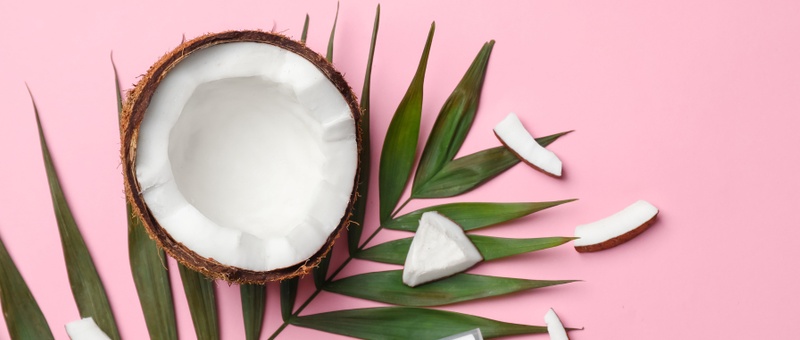
L'olio di cocco fa bene ai tuoi capelli?
Revisione paritaria di Dr Colin Tidy, MRCGPUltimo aggiornamento di Victoria RawUltimo aggiornamento 24 Mar 2026
Rispetta le linee guida editoriali
- ScaricaScarica
- Condividi
- Language
- Discussione
- Versione audio
- Aggiungi alle fonti preferite su Google
Coconut oil can offer a range of benefits for your hair. You've probably heard of it being used on the skin, but many people use it to help with hair growth or detangling. We explore the possible benefits and how best to include coconut oil in your haircare routine.
L'olio di cocco fa bene ai tuoi capelli?
Coconut oil is easily absorbed, making it one of the better oils for repairing dry hair. It helps to moisturise your hair, prevent dandruff, and is gentle on your scalp. Most coconut oil is made from natural ingredients, meaning it tends to be safe for sensitive scalps and is less likely to cause irritation.
What are the side effects of coconut oil?
More research is needed into the wider, long-term effects of coconut oil on the hair, as there is some evidence of negative side effects.
Dr Catherine Borysiewicz, consultant dermatologist at Spire Healthcare, explains that when you leave unrefined oil on your roots and scalp for too long, it's absorbed into your scalp, which can cause your la crescita dei capelli to slow down.
In addition, coconut oil can make your hair greasy and dull if it builds up on your scalp. This is more likely if you have extra-fine hair.
Borysiewicz says: "In certain instances, coconut oil can even have a drying effect if it is overused or used on the wrong hair type, as it can penetrate the hair cuticle.
"This takes up space within the strands, causing a build-up of proteins."
How to use coconut oil for hair
Borysiewicz says that you can use coconut oil as a split-end treatment for extra dry hair while on the go. However, the best option is to apply the oil on to damp hair after washing.
Warm the coconut oil slightly before applying - do this by adding a small amount to your palm and rubbing your hands together. This makes it more malleable and easier to apply to your hair. If you prefer a liquid consistency, you could also heat the coconut oil up on low heat over a stove. Make sure to allow the oil to cool before pouring on to your hair.
Apply the coconut oil sparingly to your hair - avoiding your scalp to prevent build-up and grease. Spread the coconut oil through the lengths of your hair to add moisture and to detangle.
After applying the coconut oil, dry your hair and style as normal. Make sure you use a heat protectant if using a hairdryer, straighteners, or curling wand.
Borysiewicz adds that you will need to be aware of your hair type before using a coconut oil hair mask. Assess your hair regularly to see if it is suitable for you.
"Using coconut oil once a week is more than enough," she advises. "If you apply it too heavily or too often then your hair follicles may become clogged, and it can cause a build-up of excess oils."
Can you leave coconut oil in your hair overnight?
Do not put coconut oil into your hair before bed and sleep on it. Coconut oil hair masks can clog hair follicles, make your hair greasy, and reduce growth.
You can leave coconut oil in your hair for up to 30 minutes. If you have thin or highly porous hair, 15 minutes is likely enough time.
If you want to use coconut oil as a hair mask or a scale treatment, and your hair type allows, leaving it in overnight occasionally shouldn't cause issues.
Does coconut oil help hair growth?
Some people believe coconut oil helped their hair growth. Coconut oil can improve the health of your hair which can make it appear to be growing at a faster rate, as it can reduce breakage and split ends.
However, there is currently no evidence to support this.
Does coconut oil thicken hair?
There is no medical research to suggest that coconut oil offers a thickening effect on the hair.
If you are hoping to thicken your hair, Borysiewicz suggests considering the following options instead:
Avoid restrictive dieting - eat lots of oxygen-and vitamin-rich foods, such as leafy greens and fruits.
Reduce over-styling, colouring, and heat application to your hair.
Opt for caffeine-based hair products.
Treat yourself to regular head massages to increase the blood flow to the pores in your scalp.
Check with your doctor or dermatologist if you suspect thinning hair might have an underlying health cause.
Is coconut oil good for your skin?
As well as being used on hair, coconut oil is frequently applied on skin and offers a range of benefits.
You can use coconut oil to wash your face like any other face wash. Rub it over your face and then let it sit for a few minutes before washing it off with a warm, wet cloth.
You can also use coconut oil as a make-up remover by applying it to a cotton pad - alternative products for this include micellar water.
Is coconut oil a good moisturiser?
Depending on your skin type coconut oil can be a general moisturiser. However, if you have oily or combination skin, coconut oil might not be the best moisturiser for you. This is because it is comedogenic and can clog your pores.
Borysiewicz says: "Coconut oil is rich in antioxidants and nutrients to help protect the skin. It has been noted as a natural source of antibacterial, antifungal, and antiviral properties."
Other benefits of using coconut oil for skin
Reducing the appearance of fine lines.
Protecting the skin against environmental stressors.
Soothing irritated skin.
Exfoliating dry skin if mixed with raw sugar or sea salt to create a scrub.
Before including coconut oil in your haircare routine, you should assess your hair type, any allergies you might have, and what part of your hair health you want to treat.
Scelte del paziente per Capelli e cuoio capelluto

Salute della pelle, delle unghie e dei capelli
4 problemi comuni dei capelli in inverno - e come trattarli
In inverno, passiamo costantemente dal freddo clima esterno al riscaldamento centrale interno. Entrambe queste condizioni possono essere dure sui nostri capelli, privandoli dell'umidità di cui hanno bisogno per rimanere sani e pieni. Abbiamo chiesto a uno specialista dei capelli consigli su come prevenire i problemi più comuni dei capelli invernali ed esplorare altri possibili problemi di salute che potrebbero essere collegati ai tuoi problemi di capelli.
di Victoria Raw

Salute della pelle, delle unghie e dei capelli
L'olio di rosmarino aiuta davvero la crescita dei capelli?
Siamo sempre alla ricerca dell'ultimo prodotto miracoloso per la salute - soprattutto se è economico e facilmente reperibile nei negozi. E TikTok è pieno di affermazioni che l'olio di rosmarino sia un rimedio per la crescita rapida dei capelli. Ma ci sono prove che funzioni davvero?
di Victoria Raw
Informazioni sull'autoreVisualizza il profilo completo

Emily Jane Bashforth
Scrittore di Articoli
NCTJ
Emily è una scrittrice di articoli per Patient, scrivendo articoli su una varietà di argomenti relativi alla salute e al benessere.
Informazioni sul recensoreVisualizza il profilo completo

Dr Colin Tidy, MRCGP
Medico di base, Autore medico
MBBS, MRCGP, MRCP (Paediatrics), DCH
Il Dr Colin Tidy è un medico del NHS, con sede nell'Oxfordshire.
Storia dell'articolo
Le informazioni su questa pagina sono revisionate da clinici qualificati.
Articolo disponibile anche in Inglese, Tedesco, Spagnolo, Francese, Italiano, Portoghese, Hindi, Ebraico, Arabo, and Svedese.
Next review due: 25 Mar 2029
24 Mar 2026 | Ultima versione
4 Ago 2022 | Pubblicato originariamente
Autore:
Emily Jane Bashforth

Chiedi, condividi, connettiti.
Esplora le discussioni, fai domande e condividi esperienze su centinaia di argomenti di salute.

Non ti senti bene?
Valuta i tuoi sintomi online gratuitamente
Iscriviti alla newsletter di Patient
La tua dose settimanale di consigli sulla salute chiari e affidabili - scritti per aiutarti a sentirti informato, sicuro e in controllo.
Abbonandoti accetti i nostri Informativa sulla Privacy. Puoi annullare l'iscrizione in qualsiasi momento. Non vendiamo mai i tuoi dati.
Più sulla salute della pelle, delle unghie e dei capelli
- I trapianti di capelli possono migliorare la salute mentale?
- Preoccupato per un neo? Ottieni tranquillità con il controllo online dei nei
- I probiotici promuovono capelli sani?
- Eczema nei bambini: come calmare il tuo bambino
- Come eliminare le cicatrici da acne: la tua guida definitiva
- Come prevenire e lenire le cisti cutanee: una guida semplice
- Come impedire che tuo figlio prenda un verruca
- Come distinguere l'acne da altri problemi della pelle
- Come trattare un piercing infetto
- Esiste un legame tra dieta e acne?
- AggiornatoI migliori alimenti e nutrienti da consumare per una pelle sana
- Gli ingredienti della crema per cicatrici da tenere d'occhio
- I segnali di allarme del colpo di calore e dell'esaurimento da calore
- Quali sono i benefici del collagene e può prevenire l'invecchiamento della pelle?
- Cosa fa l'aftersun e ne hai davvero bisogno?
- Cosa fare se hai un pelo incarnito infetto
- Cosa dicono le tue unghie sulla tua salute
- Quali rimedi naturali aiutano a lenire l'eczema?
- Perché abbiamo le unghie?
- Perché i capelli diventano grigi - e come lo stile di vita può influire